
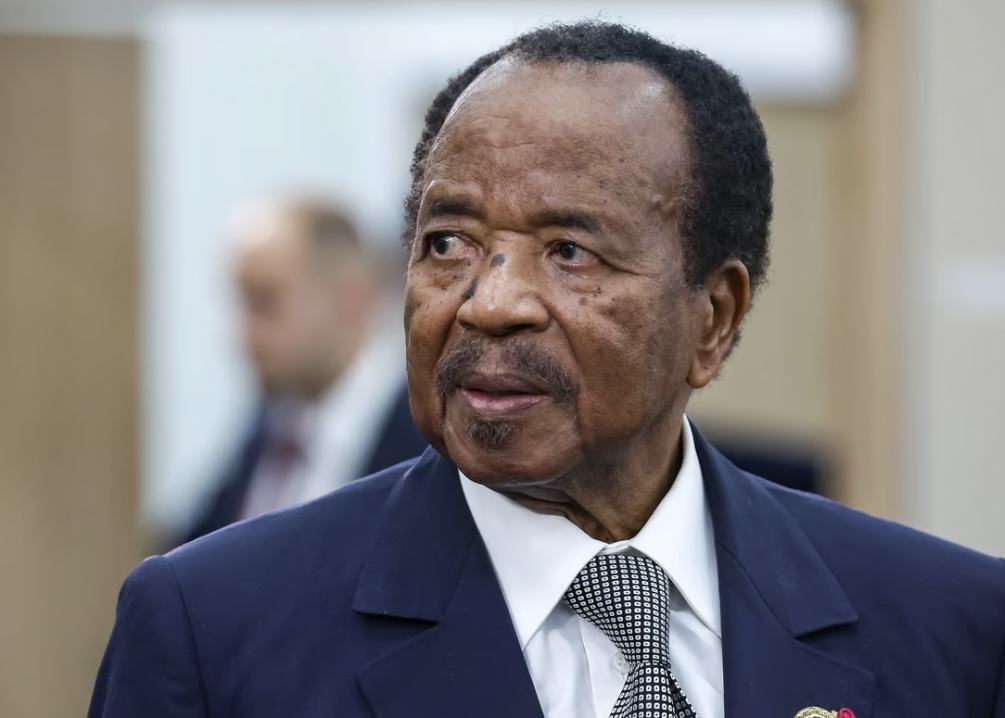
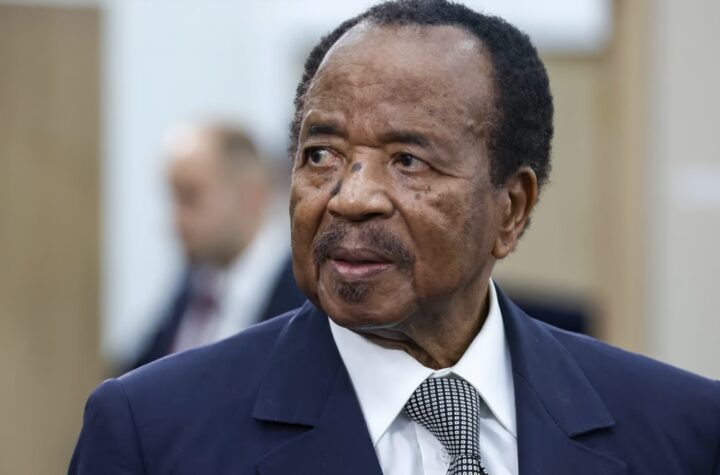
Forty-five days after President Paul Biya left Cameroon for what was described as a private trip to Europe, the ruling Rassemblement démocratique du peuple camerounais (RDPC) convened an urgent meeting of its top officials. No official statement has yet confirmed when the 93-year-old leader will return, leaving a void that fuels both criticism and speculation among political circles.
The RDPC insists that state institutions continue to function normally, dismissing concerns about an automatic pilot government. Meanwhile, opposition leaders are demanding full transparency regarding the exercise of presidential powers and the legal safeguards in place should the absence extend further. The party’s secretary-general, Jean Nkuete, summoned the meeting without disclosing its agenda, adding to the prevailing uncertainty.

The presidential communications team has continued to release messages attributed to President Biya, including greetings sent to foreign leaders such as France’s Emmanuel Macron and the President of Montenegro. Yet, no public appearance or official activity by the head of state has been recorded since his departure on June 7.
Opposition calls for constitutional clarity
Lawmaker Jean-Michel Nintcheu has urged the Conseil constitutionnel to formally recognize a vacancy of power, while the Union démocratique du Cameroun (UDC) avoids personal speculation but questions the legitimacy of power during prolonged absences. In a statement, the UDC acknowledged that leaving the country does not automatically constitute a vacancy, but stressed the need to clarify how presidential duties are exercised when the president is abroad for extended periods.
Legal gaps in handling long absences
Cameroon’s constitution does not specify a maximum duration for presidential trips abroad, nor does it define when the Conseil constitutionnel should intervene in cases of prolonged absence. The UDC has also highlighted that the position of Vice-President, reintroduced in the constitutional revision of April, remains unfilled—another factor amplifying institutional ambiguity. The party advocates for legal amendments to address scenarios where the head of state is absent for extended durations.
President Biya, in power since 1982, has made regular visits to Europe. This latest trip, now the longest during his tenure, has occurred without any official return date, deepening concerns about governance continuity and transparency in Cameroon’s political leadership.
More Stories
Justice à deux vitesses en Centrafrique : la CPS ouvre une enquête sur Am-Dafock mais reste silencieuse sur les crimes commis par les mercenaires russes du groupe Wagner
Cameroon’s president biya absence sparks political debate
Russia appoints new ambassador to Benin amid diplomatic shifts