Mariama Hamani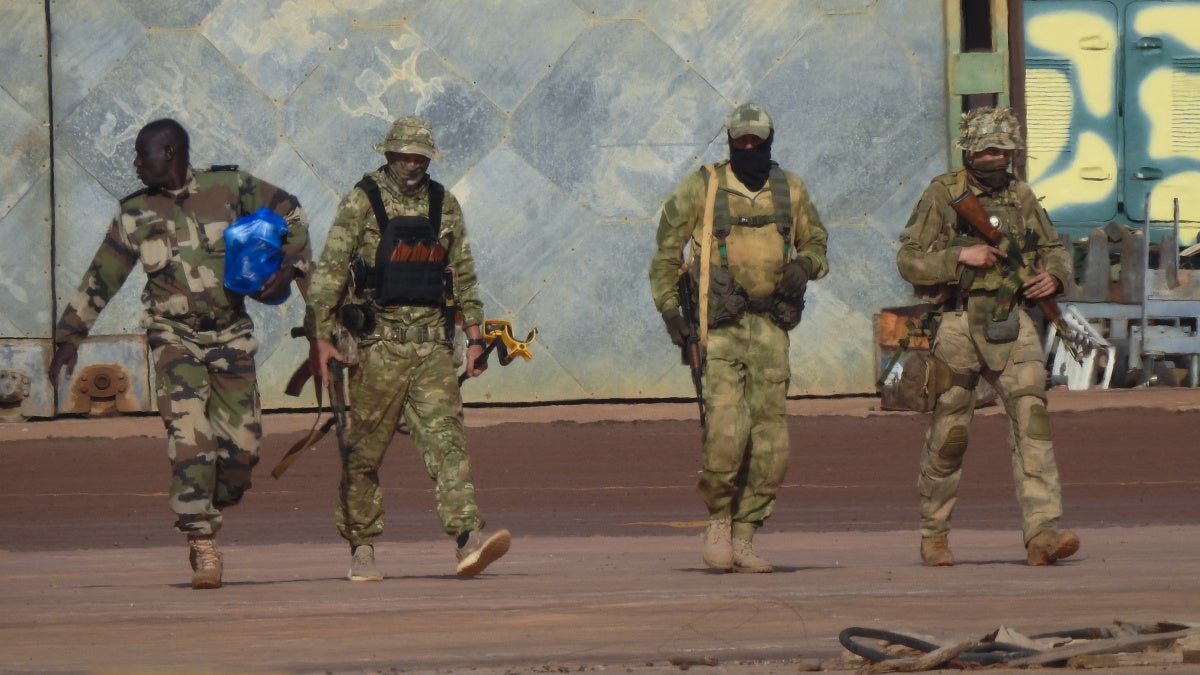
The Malian army, in collaboration with the Russian-backed Wagner Group, has been implicated in a series of grave human rights violations, including summary executions and enforced disappearances of Fulani civilians since the beginning of 2025. These acts have raised serious concerns about the protection of civilians in conflict zones across the country.
allegations of atrocities against fulani communities
Since January 2025, at least 12 Fulani men have been executed and 81 others forcibly disappeared during counter-insurgency operations conducted by Malian forces and Wagner Group fighters against Islamist armed groups, including the Group for the Support of Islam and Muslims (JNIM), affiliated with Al-Qaeda. Witnesses and survivors have reported that soldiers and Wagner fighters targeted Fulani civilians, accusing them of collaborating with armed Islamist groups.
« The Malian junta ultimately bears responsibility for the summary executions and enforced disappearances carried out by the army and Wagner fighters allied with the military, » stated Ilaria Allegrozzi, Senior Sahel Researcher at Human Rights Watch. « The junta must end these abuses, disclose the whereabouts of detainees, conduct thorough investigations, and hold those responsible to account. »
notable incidents of abuse
Between February and May 2025, Human Rights Watch conducted interviews with 29 individuals, including witnesses, community leaders, and international organization representatives, who provided detailed accounts of the atrocities. Key incidents include:
- Sebabougou, Kayes Region (April 12): Over 100 Fulani men were arrested and taken to the Kwala military camp, where many were allegedly executed. By April 20, at least 43 decomposed bodies were discovered near the camp, believed to be those of the arrested men. Only 25 detainees were later transferred to Bamako Central Prison and released without charges in mid-July.
- Kobou, Ségou Region (January 23): Soldiers killed three Fulani men, including two elderly individuals found with blindfolds and bound hands. At least 30 homes were set ablaze during the operation. Survivors reported that Fulani residents fled due to the soldiers’ belief that they were collaborating with jihadists.
- Belidanédji, Ségou Region (March 30): Six Fulani civilians aged 35 to 63 were summarily executed by soldiers and Wagner fighters after a confrontation with Islamist fighters. Survivors described how soldiers indiscriminately targeted civilians, treating them as jihadists.
- Farana, Tombouctou Region (March 26): Four Fulani men were beaten, likely killed, and their bodies disposed of near a riverbank. Witnesses described the scene as resembling an abattoir, with blood and human remains scattered across the area.
- Kourma, Ségou Region (March 19): Twelve Fulani men were arrested at a livestock market, accused of collaborating with the JNIM. Their whereabouts remain unknown, and witnesses described the perpetrators as « Malian soldiers and white fighters. »
- Sikere (May 14): Four Fulani men were executed in a mosque courtyard after being accused of supporting the JNIM. The attack occurred in retaliation for earlier clashes between the JNIM and security forces in the area.
international law and accountability
All parties involved in the conflict in Mali are bound by international humanitarian law, including Common Article 3 of the Geneva Conventions, which prohibits murder, cruel treatment, and torture of detainees. The documented cases of secret detentions constitute enforced disappearances and violate the International Convention for the Protection of All Persons from Enforced Disappearances, to which Mali is a signatory. Additionally, Mali is a State Party to the Rome Statute of the International Criminal Court (ICC), which has been investigating alleged war crimes in the country since 2012.
« Senior Malian and Russian officials should be aware that they may be held accountable for crimes committed by their soldiers and fighters, » added Allegrozzi. « Whether the African Union pressures Malian authorities to investigate these abuses and pursue prosecutions, or the ICC intervenes, those linked to these atrocities may face trials in the future. »
the role of the african union and regional challenges
The African Union (AU) has been urged to step up efforts to protect civilians in Mali from abuses by all warring parties, including supporting investigations and pressing for fair prosecutions. This call is particularly urgent given Mali’s withdrawal from the Economic Community of West African States (ECOWAS) in January 2025, which has limited victims’ access to regional legal recourse. Furthermore, the withdrawal of the UN peacekeeping mission from Mali in 2023, at the junta’s request, has heightened concerns about civilian protection and accountability for abuses.
context of the conflict and russian involvement
Since 2012, successive Malian governments have battled Islamist armed groups, including the JNIM and the Islamic State in the Sahel. The conflict has resulted in thousands of civilian deaths and the forced displacement of over 350,000 people. The junta, which seized power in a 2021 coup, has relied on the Wagner Group for counter-insurgency operations, despite never publicly acknowledging their presence. Russian officials have, however, acknowledged Wagner’s role in providing « security services » to the Malian government.
In June 2025, Wagner Group announced its withdrawal from Mali, claiming its mission was complete. However, credible sources indicate that Wagner fighters are being replaced by the Africa Corps, a new Russian paramilitary group under direct Kremlin control. This transition coincides with a surge in major attacks by Islamist armed groups and Tuareg separatists, raising concerns about the future of civilian protection in the region.
urgent call for justice and protection
The documented abuses by Malian forces and Wagner fighters underscore the urgent need for international intervention to protect civilians and hold perpetrators accountable. The AU, ICC, and other international bodies must prioritize investigations and prosecutions to ensure justice for the victims and their families. Failure to act risks further destabilization and human rights violations in Mali.


 Boureima Amadou