Boureima Amadou
Antananarivo now faces a defining moment as the United States issues a stark warning against adopting Russia’s Sahel security model in the Indian Ocean. Washington’s unease reflects deeper concerns about Moscow’s expanding military footprint in Africa and its potential ripple effects on regional stability.
US military leadership sounds alarm over Russia’s security strategy in Africa
On November 10, 2026, Lieutenant General John Brennan, Deputy Commander of the US Africa Command (AFRICOM), delivered a pointed message during a virtual press briefing following a high-level mission to Madagascar and Mozambique. Speaking with clarity, he underscored Washington’s deep reservations about the potential replication of the Russian security approach—first deployed in the Sahel—beyond its current borders.
Brennan emphasized that while the US respects Madagascar’s sovereign right to pursue international alliances, the Russian model’s track record in Mali, Burkina Faso, and Niger raises serious red flags. “What concerns us is the model Russia has applied in the Sahel and its stated ambition to export it elsewhere,” he stated. The general made it clear: Washington does not wish to see this strategy take root in the Indian Ocean region.
Sahel failure fuels skepticism about Moscow’s security playbook
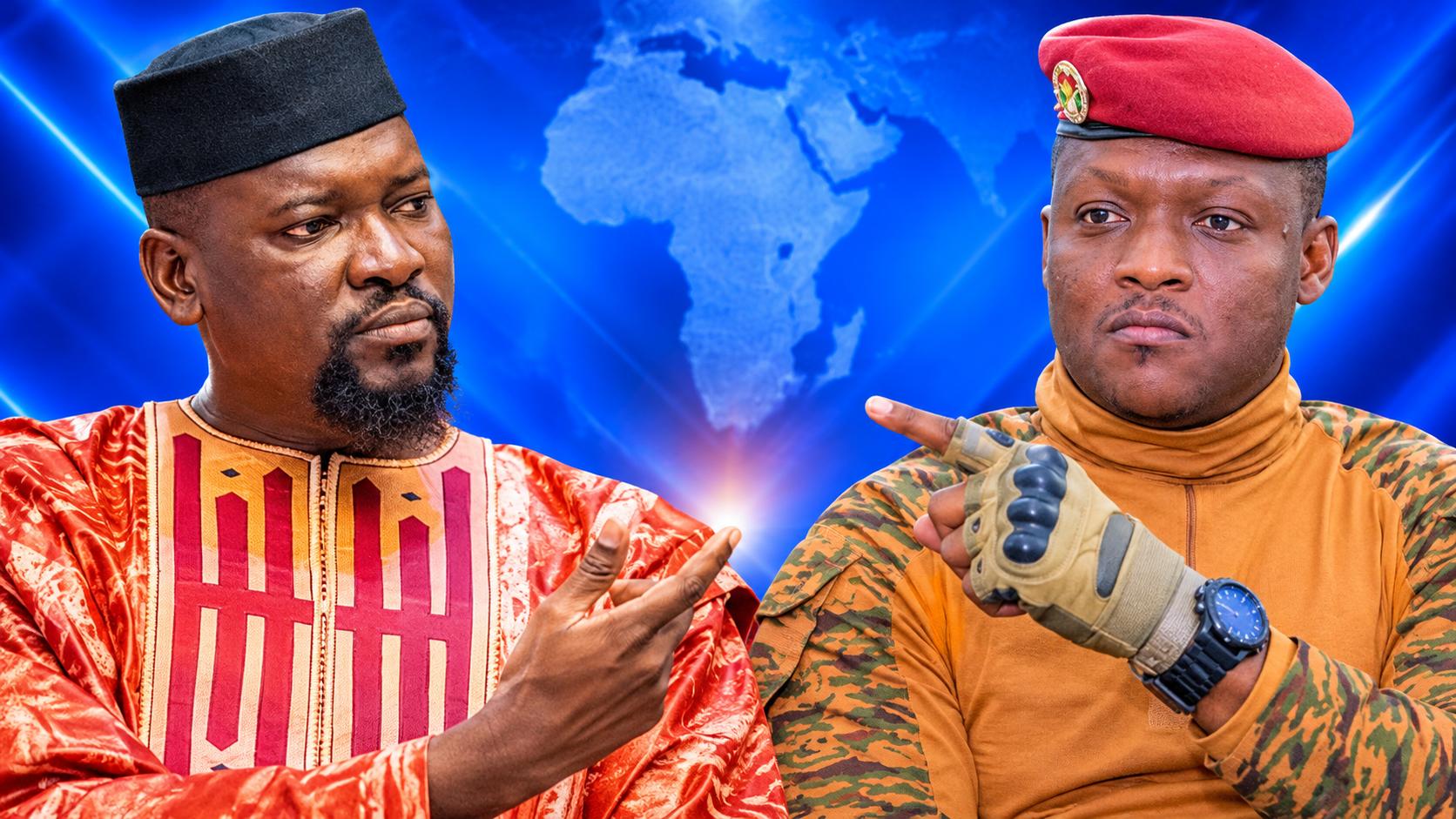
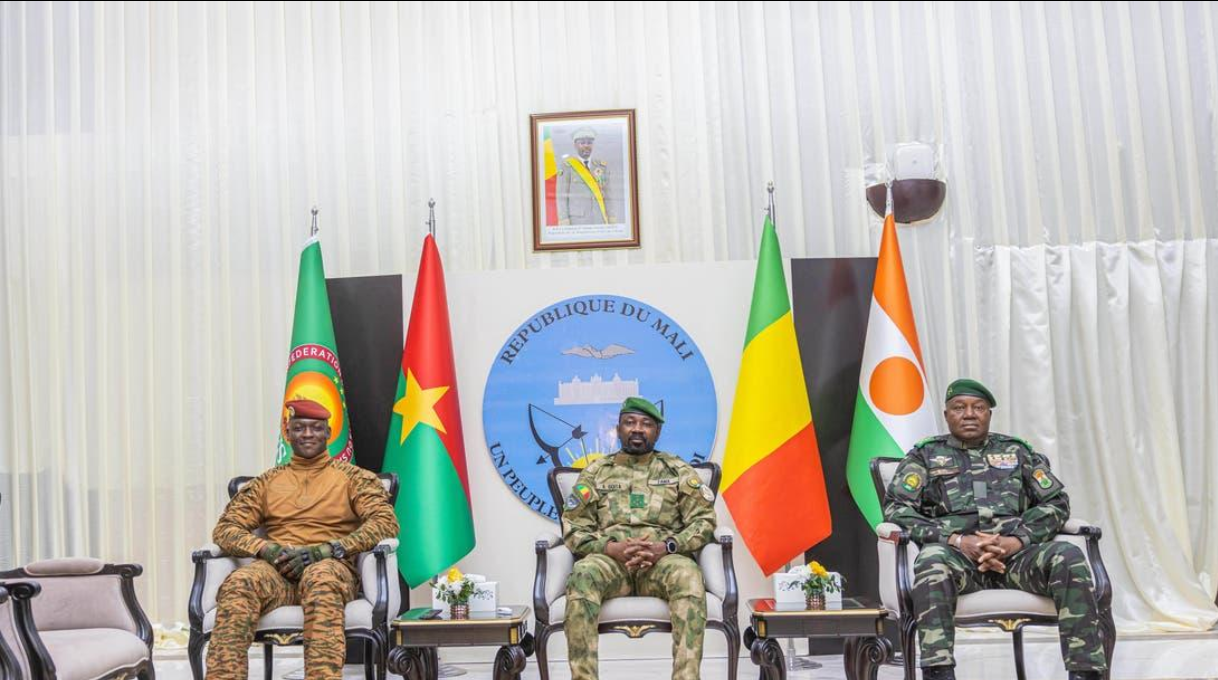
Analysts point to the Sahel as a cautionary tale. Since the rise of military juntas in Mali, Burkina Faso, and Niger, these nations have increasingly distanced themselves from Western partners in favor of closer ties with Moscow. Russia’s Africa Corps—a successor to Wagner’s operations—has expanded its military support across the continent.
Yet despite this intensified presence, violent extremist groups continue to carry out deadly attacks. The persistent insecurity challenges the narrative that Russian military cooperation delivers sustainable stability. Brennan described the Sahel model as “largely ineffective,” warning that its application in other regions could further destabilize fragile environments.
Antananarivo deepens ties with Russia under new leadership
Since Colonel Michaël Randrianirina assumed power in 2025, Madagascar has accelerated its military and political engagement with Russia. The Kremlin has supplied advanced equipment, including drones and firearms, and dispatched military trainers to support local forces.
In February 2026, President Randrianirina traveled to Moscow to meet with Vladimir Putin, marking a significant milestone in the strengthening bilateral relationship. During the Russia-Africa Summit in October 2026, both nations formalized new cooperation agreements spanning defense, tourism, and trade.
For Washington, these developments are not merely bilateral—they carry strategic weight given Madagascar’s location in the Indian Ocean.
Mozambique Channel emerges as new frontier in global power competition
The Mozambique Channel, a critical maritime corridor between Madagascar and continental Africa, has become a flashpoint in geopolitical rivalry. This route carries immense commercial traffic, energy shipments, and strategic naval interests, making it a high-stakes zone for global powers.
General Brennan highlighted growing concerns over the resurgence of Islamic State-affiliated groups in northern Mozambique. He warned these factions are adapting their tactics and could escalate maritime threats, jeopardizing commercial shipping and regional security.
The US response has been to expand cooperation with Madagascar and Mozambique through enhanced maritime surveillance, intelligence sharing, and military training initiatives—a cornerstone of America’s regional engagement strategy.
Can Madagascar navigate the great power divide?
Despite its warnings, Washington has not imposed sanctions or coercive measures on Madagascar. Instead, the message from Brennan was framed as a strategic appeal: “African nations are free to choose their partners, but they must weigh the risks carefully.”
For Antananarivo, the challenge lies in balancing new alliances with Moscow against long-standing relationships with Western powers—all while preserving national sovereignty and strategic autonomy. The question is no longer whether Madagascar can diversify its partnerships, but how it will do so without becoming a frontline in the intensifying competition between global powers.
The road ahead is complex. As Madagascar strengthens its ties with Russia, it must also consider the long-term implications for its role in the Indian Ocean—a theater now central to the global balance of power.


 Mariama Hamani