Libreville’s bold urban renewal begins at Baie des Cochons
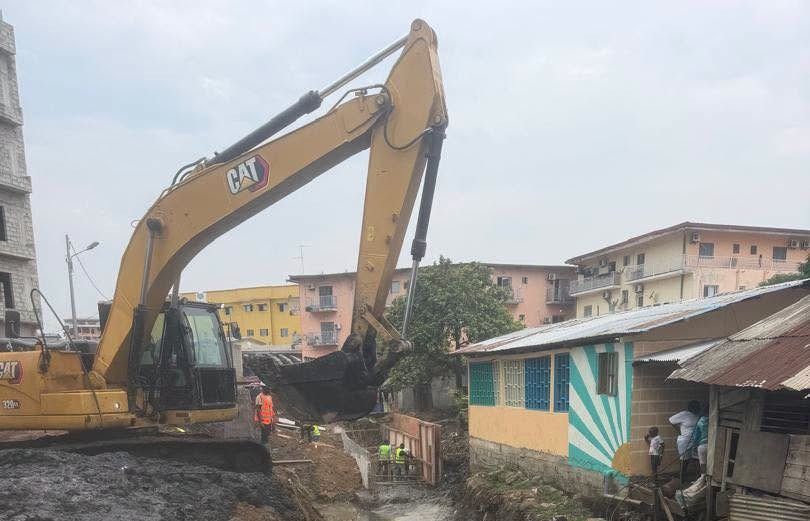
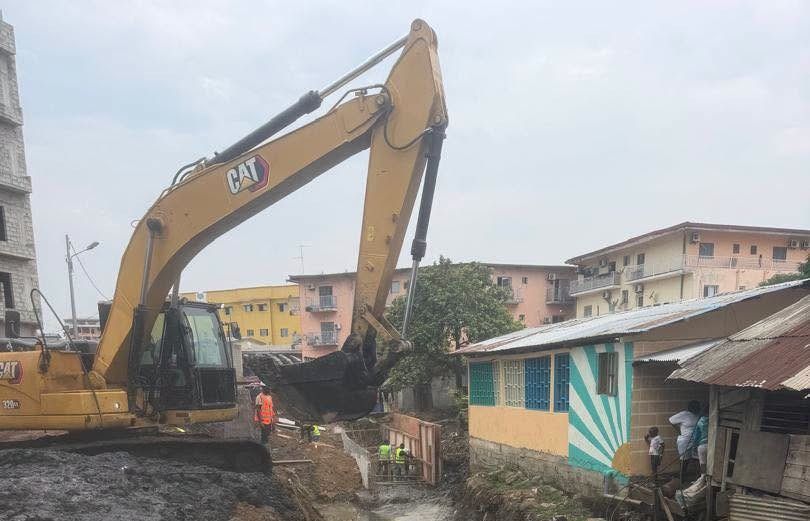
Libreville, June 25, 2026 — A new chapter in Gabon’s urban transformation begins tomorrow when heavy machinery starts clearing ground in the strategic Baie des Cochons area of the capital. This demolition phase marks the official launch of one of the most ambitious urban renewal projects ever undertaken in Libreville.
The ambitious initiative spearheaded by President Brice Clotaire Oligui Nguema aims to overhaul the city’s transportation network, sanitation systems, and territorial integration across several key neighborhoods. While the project encompasses multiple locations including Sipagel, the Léon Mba intersection, and the corridor stretching from Gabon’s energy and water utility installations to the Petit-Paris roundabout, its core focus remains the Baie des Cochons—a critical bottleneck connecting Mont-Bouët market, downtown Libreville, Bessieux Boulevard, and surrounding districts.
Transforming a congested urban artery
The Baie des Cochons has long been a major traffic choke point in Libreville’s urban fabric. Its strategic location makes it essential for connecting the University Teaching Hospital to Petit-Paris, the Léon Mba intersection, and adjacent neighborhoods. The project will establish a new main thoroughfare flanked by secondary roads designed to ease congestion and improve access between these vital areas.
During a June 23 site visit, Housing, Habitat, Urban Planning and Surveying Minister Mays Mouissi personally briefed residents on the project’s objectives. Authorities emphasize that clearing public land is a prerequisite for the contracted construction company to commence work.
Beyond traffic improvements, the initiative targets another persistent challenge affecting thousands of residents annually: flooding. The plan includes dredging existing drains, rehabilitating degraded hydraulic structures, and installing new stormwater drainage systems to prevent seasonal inundations.
For policymakers, this represents an opportunity to simultaneously address two critical urban challenges: mobility and sanitation.
Balancing progress with community needs
Large-scale urban development projects inevitably impact local populations, and Baie des Cochons is no exception. Some families have occupied targeted spaces for decades, while others rely on small businesses that sustain their livelihoods. The demolition phase understandably raises concerns about compensation, potential relocations, and protection of local economic activities.
Urban development history across Africa shows that project success depends as much on human considerations as on infrastructure quality. Authorities claim to have prioritized dialogue with residents before work began, but the coming weeks will reveal whether this approach effectively balances public interest with community protection.
A defining moment for Gabon’s urban future
The Baie des Cochons project has become symbolic of Libreville’s need to move beyond outdated development models. With rapid population growth, accelerating urbanization, and mounting environmental pressures, the capital can no longer afford to grow without modern infrastructure. Chronic traffic jams, emergency service access issues, sanitation problems, and neighborhood isolation now threaten the city’s economic potential—and this project aims to change that.
But beyond concrete and steel, this initiative tests the government’s ability to implement ambitious reforms while maintaining social cohesion. After all, a modern city isn’t built solely with roads and drains—it’s built on the trust and participation of its people. The first excavator movements will launch the physical transformation, but its true success will ultimately be measured by how it improves daily life for residents.

Mariama Hamani
Journalist
Mariama Hamani
- Top Stories
- October 14, 2026
- 16 views
PSG’s decisive 4-2 victory at Manchester City reshapes Champions League landscape
Ligue des Champions de football Paris frappe fort à Manchester City : score, résultat et résumé du match de la 2e journée de Ligue des Champions 14 octobre 2026 à…
Boureima Amadou
- Top Stories
- October 1, 2026
- 145 views
Moussa Kaka’s month-long disappearance in Niger: the widening toll on citizens, commerce and public trust
One month of silence, and a country left guessing In Niger, the pressure on independent journalism has now stretched past the one-month mark, and the consequences are rippling far beyond…