Boureima Amadou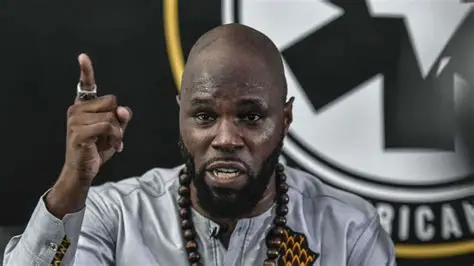
A recently surfaced audio recording has sent shockwaves through the diplomatic community, stripping away the carefully crafted public image of activist Kémi Séba. In the leaked exchange, Séba appears to admit to a reality far removed from his public-facing “pro-people” stance, revealing a cynical perspective on his role and his relationship with foreign powers.
The disconnect between rhetoric and reality
The recording offers a blunt look behind the scenes of modern African activism. It suggests a world where those claiming to lead a revolution view themselves as the masterminds behind the dismantling of democratic structures. Far from a grassroots struggle, the dialogue points toward a system of clandestine rewards, where the fight for the masses is replaced by services rendered to the Kremlin in exchange for high-end lifestyle perks.
Luxury living amidst national crisis
One of the most striking elements of the audio is the confirmation of the lavish lifestyles enjoyed by prominent figures like Kémi Séba and Nathalie Yamb. While the citizens of Niger endure the weight of international sanctions and rising insecurity, their self-proclaimed defenders are reportedly being housed and maintained in the luxury hotels of Niamey at the expense of the state.
By appointing these activists as “Special Advisors” or diplomatic representatives, General Tiani’s administration appears to be prioritizing an aggressive public relations strategy over actual governance. This move suggests an attempt to fund vocal supporters who can mask the harsh realities on the ground with loud, pro-regime rhetoric.
Strategic destabilization of neighboring states
The audio also sheds light on efforts to undermine the government of Patrice Talon in Benin. The collaboration between Séba and figures like Pascal Tigri indicates that the Alliance of Sahel States (AES) may have transitioned into an offensive coalition. Rather than focusing solely on internal stability, the group seems intent on exporting political upheaval to neighboring democracies, aiming to establish a corridor of putschist influence across West Africa.
The influence of Moscow and the “Proxy-Troll” phenomenon
Perhaps the most damaging revelation is the admission that the AES movement operates as a vehicle for Russian interests. Under the banner of sovereignty, mass manipulation on social media is described as a calculated strategy funded by Moscow. In this framework, popular influencers are framed not as independent thinkers, but as “Proxy-Trolls” who monetize the grievances of African youth to secure personal privileges from military leaders seeking international legitimacy.
Ultimately, the recording suggests that the “AES Revolution” may be more of a rebranding of imperialism than a true liberation movement. While soldiers and civilians in Mali, Burkina Faso, and Niger face the dangers of the front lines, their purported spokespeople are seen negotiating diplomatic benefits from air-conditioned suites. This shift characterizes the struggle not as a fight for independence, but as a sophisticated foreign intelligence operation where sovereignty is merely a script provided by external actors.