
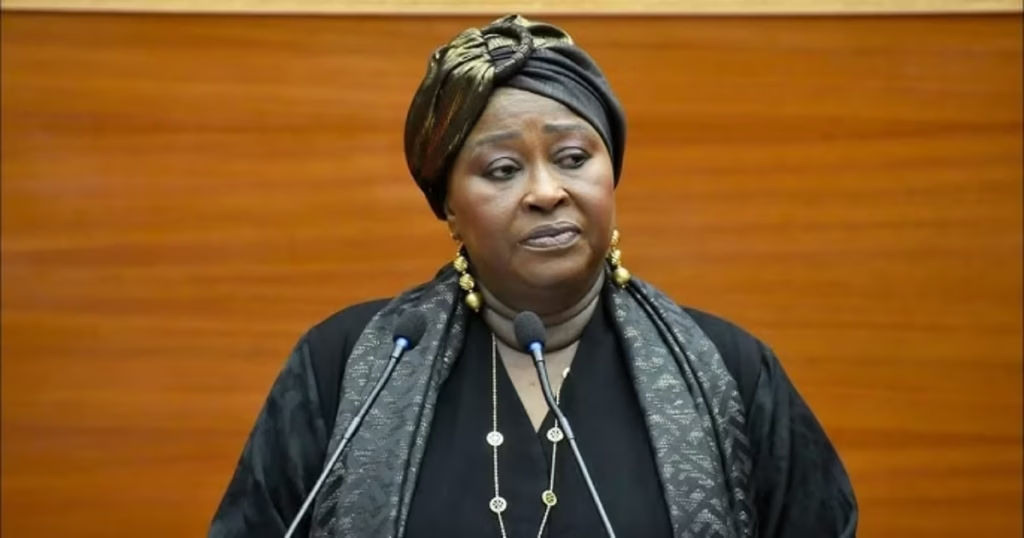
Maïmouna Dièye’s comments during a Saturday rally in Khombole, directed at Ousmane Sonko, struck a raw nerve, particularly due to the religious framing she employed. The invocation she used is deeply embedded in Senegalese Muslim tradition and carries implications far beyond ordinary political rhetoric.
Maïmouna Dièye’s controversial statement
The activist’s choice of words—declaring she was speaking “in the presence of Seyidina Ousmane Sonko Salalahou Aleyhi Wa Salam”—crossed a sacred boundary. By pairing Sonko’s name with the Islamic blessing reserved exclusively for the Prophet Mohammad (peace and blessings upon him), she elevated his spiritual status to one reserved only for divine figures. This linguistic misstep did not go unnoticed, as the phrase *Salalahou Aleyhi Wa Salam* is a revered invocation in Islam, traditionally reserved for prophets and never extended to political leaders, no matter their prominence.
Such phrasing risks blurring the line between political reverence and religious veneration, a distinction Senegalese clerics have long emphasized. The gravity of the error lies in its potential to mislead the faithful, conflating human authority with divine sanctity. For a nation where religious respect is a cornerstone of public discourse, this type of statement carries significant weight.
Ousmane Sonko’s response
Sonko responded swiftly, correcting the record to clarify that his supporters’ admiration should never equate to religious sanctification. By publicly distancing himself from the implication that he shares a spiritual status with the Prophet, he aimed to curb any political exploitation of the remark. His stance reflects a broader political sensitivity in Senegal, where leaders tread carefully around religious language to avoid misinterpretation or backlash.
The incident underscores the delicate balance politicians must maintain in a country where faith and governance intersect. While Sonko acknowledged the affection of his base, he firmly rejected any attempt to place him on a pedestal reserved for the divine. His intervention served as both a clarification and a reminder of the boundaries that must be preserved in public discourse.
More Stories
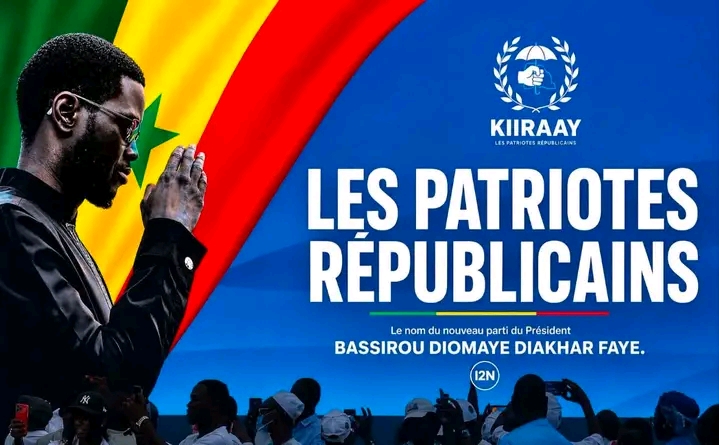
Senegal launches kiiraay party under bassirou diomaye faye’s leadership
Sénégal: Bassirou Diomaye Faye Launches KIIRAAY, New Political Party, And Opens Up New Phase In Sénégal’s Politics
Bassirou Diomaye Faye unveils new party KIIRAAY in Senegal’s political shift