Mariama Hamani
Khombole incident: why Maïmouna Dièye’s words about Ousmane Sonko sparked uproar
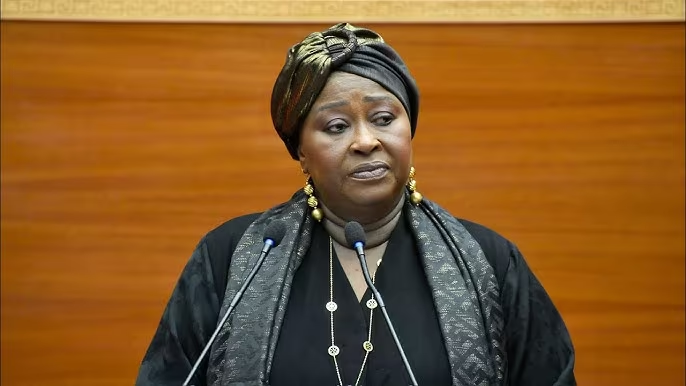
During a speech in Khombole, Maïmouna Dièye’s choice of words when addressing Ousmane Sonko triggered widespread unease, prompting a deeper discussion about the blurring lines between political reverence and religious sanctity in Senegal.
The remarks made by Maïmouna Dièye on Saturday in Khombole toward Ousmane Sonko created visible discomfort for the Pastef leader, as the phrasing crossed into territory deeply sacred in Islamic tradition.
Maïmouna Dièye’s controversial remarks in Khombole
By stating that she was speaking “in the presence of Seyidina Ousmane Sonko Salalahou Aleyhi Wa Salam,” the activist invoked a blessing formula reserved exclusively for the Prophet Mohammad (peace and blessings upon him) and, according to some interpretations, other recognized prophets. This phrase, commonly used in Muslim worship when mentioning the Prophet, holds profound spiritual significance and is not, according to Islamic teachings, to be applied to any other individual—regardless of their stature. Applying such language to a political figure, no matter how prominent, elevates them to a spiritual status beyond that of any human, which explains the perceived gravity of the slip.
Beyond the linguistic misstep, this incident has reignited debates about the growing tendency among supporters to bestow near-divine status upon certain political leaders. Religious leaders in Senegal have repeatedly cautioned against this practice, emphasizing the critical distinction between respect for an elected official and the veneration reserved for the divine. Ousmane Sonko appeared to address this concern directly in his response, acknowledging the affection of his supporters while firmly clarifying that such reverence belongs solely to the Prophet Mohammad—a level he insists he has “never reached” nor aspires to.
Ousmane Sonko’s response
By publicly correcting his colleague, Ousmane Sonko moved swiftly to prevent the remarks from being exploited by opponents. In a political climate where religious sensitivities run high, Senegalese leaders often tread carefully to avoid such missteps. This episode underscores the importance of maintaining strict boundaries between political admiration and religious sanctity in public discourse across the country.

 Boureima Amadou