Boureima Amadou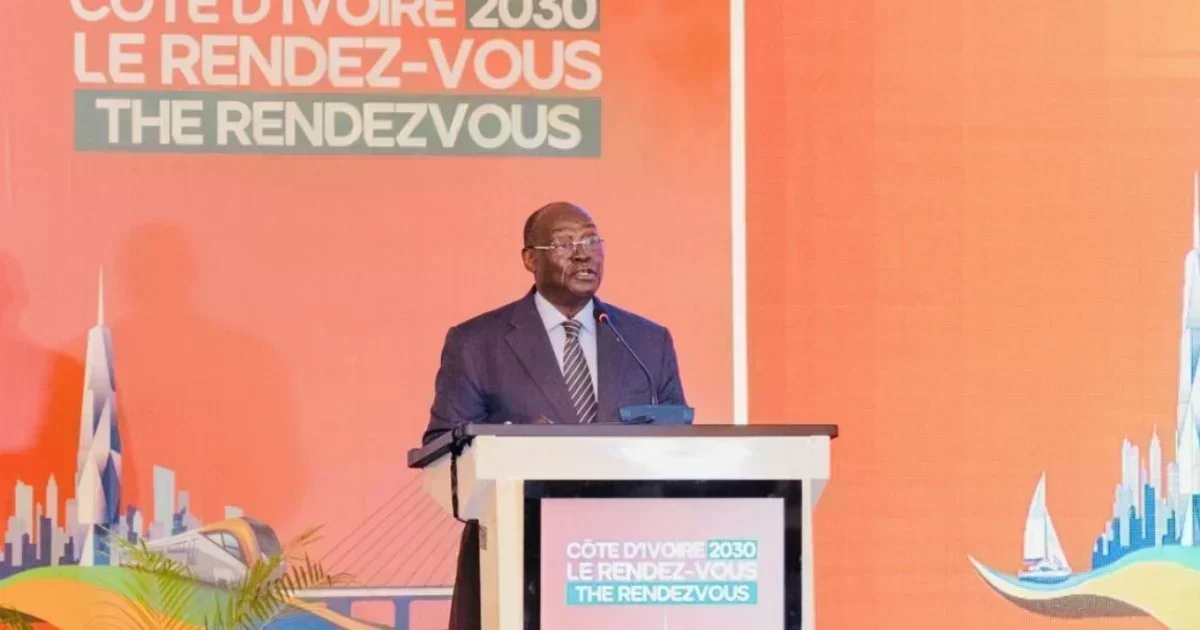
The Ivory Coast has shattered expectations by securing over $80 billion in international funding for its National Development Plan, quadrupling initial projections. This landmark achievement underscores the country’s economic resilience and renewed stability, drawing unprecedented investor confidence.
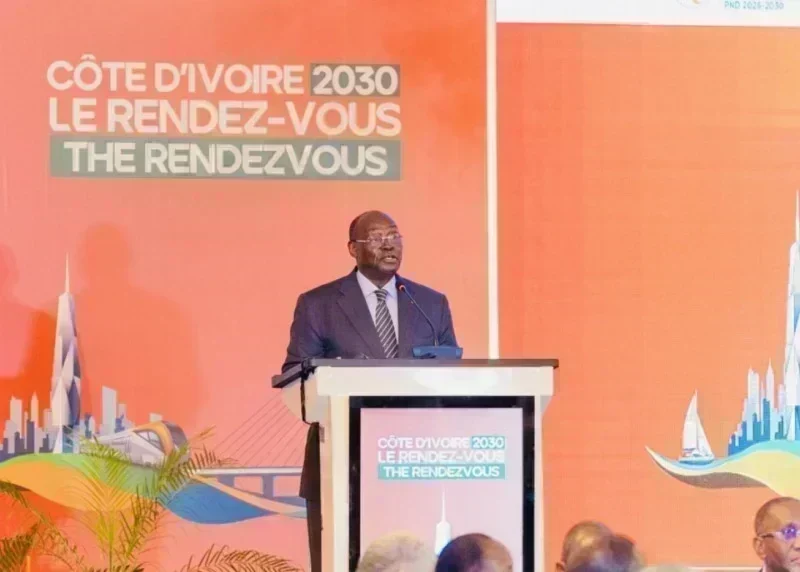
The Ivory Coast’s economic rebound continues to gather momentum as officials confirm a historic infusion of foreign capital. During a high-profile gathering in Abidjan this week, government leaders and investors finalized agreements totaling more than $80 billion—far exceeding the initially anticipated $20 billion target for the National Development Plan through 2030.
Economic momentum drives investor confidence
Minister of Planning Souleymane Diarrassouba revealed the breakthrough, highlighting the nation’s robust growth trajectory of 6.5% annually over recent years. This follows a turbulent period in the early 2000s marked by political instability, which has since given way to steady progress. The minister emphasized that nearly all economic indicators are now pointing upward, signaling strong potential for sustained development.
Diverse funding sources fuel development vision
The funding package draws from a wide range of international partners, including the World Bank, African Development Bank, and European Union. These commitments come on top of earlier financial milestones, such as a $1.3 billion sovereign bond issuance in February at favorable terms for an emerging market. The International Monetary Fund also approved a disbursement of approximately $833 million under multiple assistance programs, citing the country’s resilient economy.
A strategic plan for long-term growth
The National Development Plan is built around key pillars: enhanced security, modernization of agriculture—which contributes 20% of GDP—support for emerging national champions, and major infrastructure projects including a planned high-speed rail network. While the government is mobilizing international support, officials anticipate that over 70% of the total $209 billion budget will ultimately come from private sector investment.
Economic diversification gains traction
Once heavily reliant on agriculture, the Ivory Coast is expanding into mining, gas, and oil sectors. Growth projections remain robust, with 6% expected in 2026 despite a slight moderation from 6.5% in 2025. Inflation is projected to rise to around 3.3% this year, a manageable level as the economy continues to diversify and strengthen.