
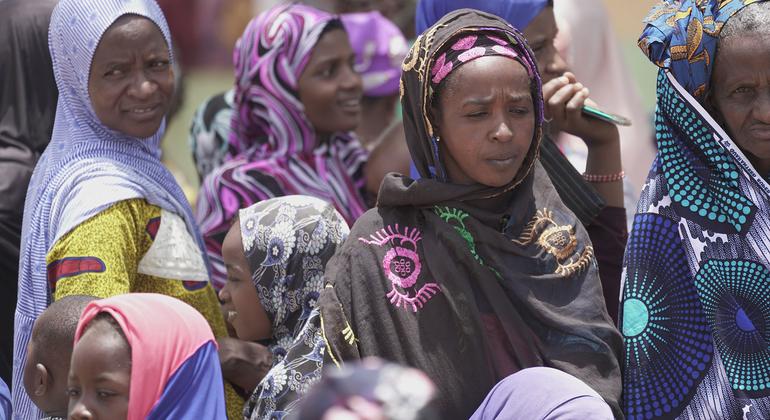
UN committee condemns widespread human rights abuses against the Fulani in Burkina Faso
Independent investigators from the United Nations have exposed a disturbing pattern of human rights violations targeting the Fulani community in Burkina Faso. As military and security operations intensify against jihadist groups in the Sahel, reports of extrajudicial killings, torture, arbitrary detentions, abductions and enforced disappearances have surged, painting a grim picture of repression and targeted violence.
Ethnic profiling and systemic discrimination exposed
The UN Committee on the Elimination of Racial Discrimination has issued a strong warning regarding the severe abuses faced by the Fulani in Burkina Faso. These violations, the committee states, are frequently carried out by national armed forces, internal security units, their auxiliaries—including the Volontaires pour la défense de la Patrie—and non-state armed groups.
Of particular concern is the widespread practice of ethnic profiling, where Fulani individuals are disproportionately targeted by defense and security forces, Volontaires pour la défense de la Patrie, and members of the Brigade civique pour l’ordre et la discipline (known as Brigade Laabal). The committee highlights that these abuses are often justified by unfounded allegations linking the Fulani community to terrorist groups.
Rising hate speech and calls for violence
The stigmatization of the Fulani has escalated into a dangerous climate of hate and discriminatory rhetoric. Online platforms and social media have become breeding grounds for hate speech, with calls for violence and criminal acts against members of this community. The committee has condemned these inflammatory messages, which explicitly incite murder and other hate crimes, exacerbating racial tensions and fueling further violence.
Addressing this crisis demands urgent and decisive action from the Burkinabè government. The UN committee has urged Ouagadougou to launch immediate, thorough, independent and impartial investigations into all allegations of abuse involving defense and security forces and their auxiliaries. Perpetrators must be held accountable through fair trials and appropriate sanctions.
Beyond punitive measures, the committee stresses the need for preventive and legal reforms to eliminate ethnic and racial discrimination. Burkina Faso is called upon to explicitly prohibit racial or ethnic profiling in its legislation, aligning with international standards. Additionally, the committee recommends the implementation of strict operational guidelines for police and security forces to prevent profiling during identity checks, crowd control and military operations.
Government responds to accusations
Burkina Faso has publicly rejected the allegations, asserting that its security operations comply with national and international human rights laws. Sabine Bakyono Kanzie, Permanent Representative of Burkina Faso to the UN Office in Geneva, stated that counterterrorism efforts do not target any specific community and are conducted within the bounds of the law.
Ouagadougou has pointed to existing mechanisms, such as complaint procedures, community policing initiatives and human rights training for defense and security personnel, as evidence of its commitment to preventing stigmatization. The government also highlighted the diversity within its state institutions and security forces, noting the presence of Fulani representatives at various levels.

More Stories
Gabon and Cuba forge stronger media and film ties
Senegal’s 2026 world cup failure: who truly shoulders the blame?
DRC’s un presidency: France backs push for natural resource governance