Boureima Amadou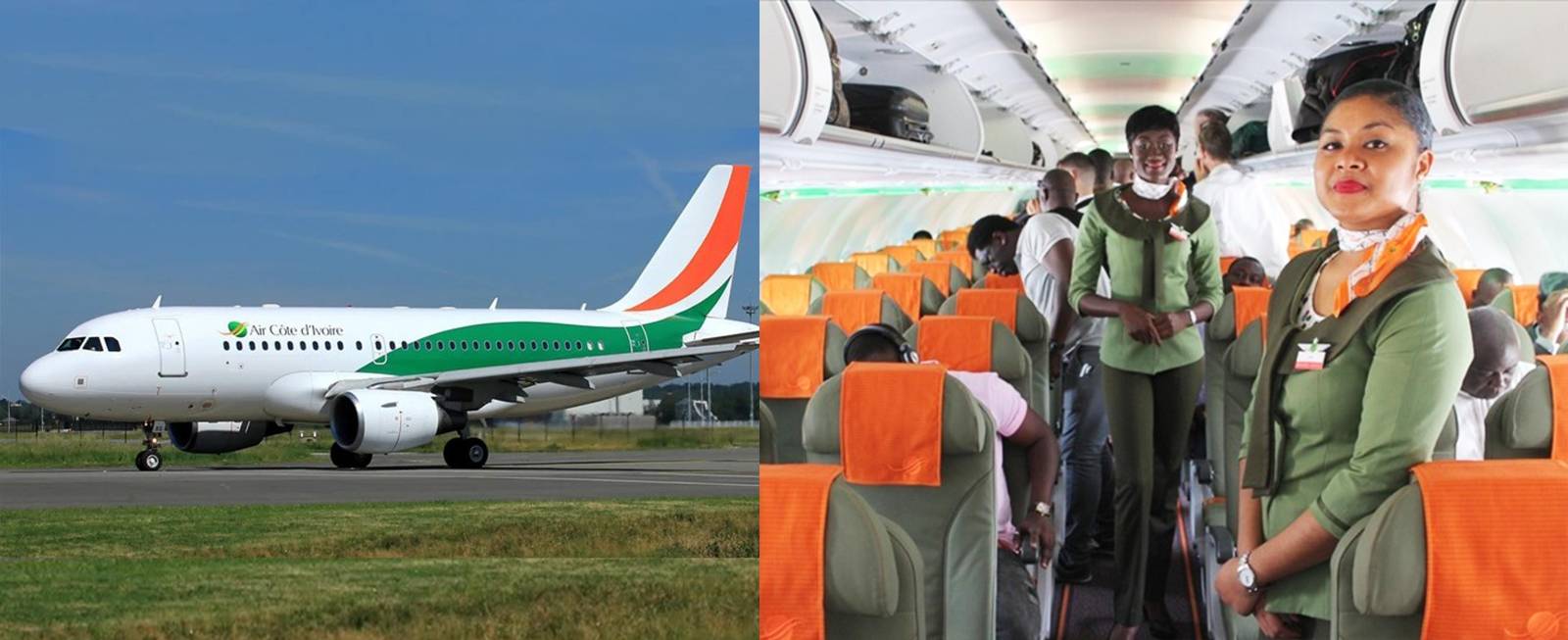
In a decisive move to invigorate the aviation industry, the Ivorian government has slashed passenger fees by 25%, signaling a bold commitment to enhancing air travel accessibility. This strategic reduction in airport levies represents more than a symbolic gesture—it marks the beginning of a far-reaching reform aimed at reshaping Côte d’Ivoire’s aviation landscape for the long term.
why the tax cut is a game-changer
The final price of an airline ticket often seems opaque to travelers. In reality, a significant portion of the cost is composed of governmental and airport-imposed fees that do not directly benefit the airline. By addressing these financial burdens, the government is addressing two critical priorities:
- Enhancing travel affordability: A reduction in taxes translates to lower ticket prices, making air travel more attainable for a broader segment of the population. This shift transforms flying from a distant luxury into a practical option for many.
- Bolstering Air Côte d’Ivoire’s market position: In an industry dominated by global carriers, the national carrier now possesses a powerful pricing tool to draw in more customers and maximize aircraft occupancy.
Abidjan’s rise as a regional aviation hub
This initiative is part of a broader national strategy to position Félix Houphouët-Boigny International Airport in Abidjan as a premier West African transit point. By easing the financial strain on airlines and passengers, Côte d’Ivoire aims to attract a greater share of the region’s air traffic, both domestically and internationally.
« The previous aviation tax structure was excessively burdensome, hindering both citizen mobility and the growth of our national carrier. This 25% reduction removes a critical barrier to progress, » stated officials, underscoring the transformative potential of the policy change.
key takeaways
- Measures implemented: A 25% reduction in passenger taxes; direct support for Air Côte d’Ivoire; and a strategic push to establish Abidjan as a major aviation hub.
- Anticipated outcomes: Reduced ticket prices; a stronger national airline; and enhanced Abidjan as a central transit point in West Africa.
- Who benefits: Ivorian and international travelers; the Ivorian economy; and the broader West African aviation network.