Boureima Amadou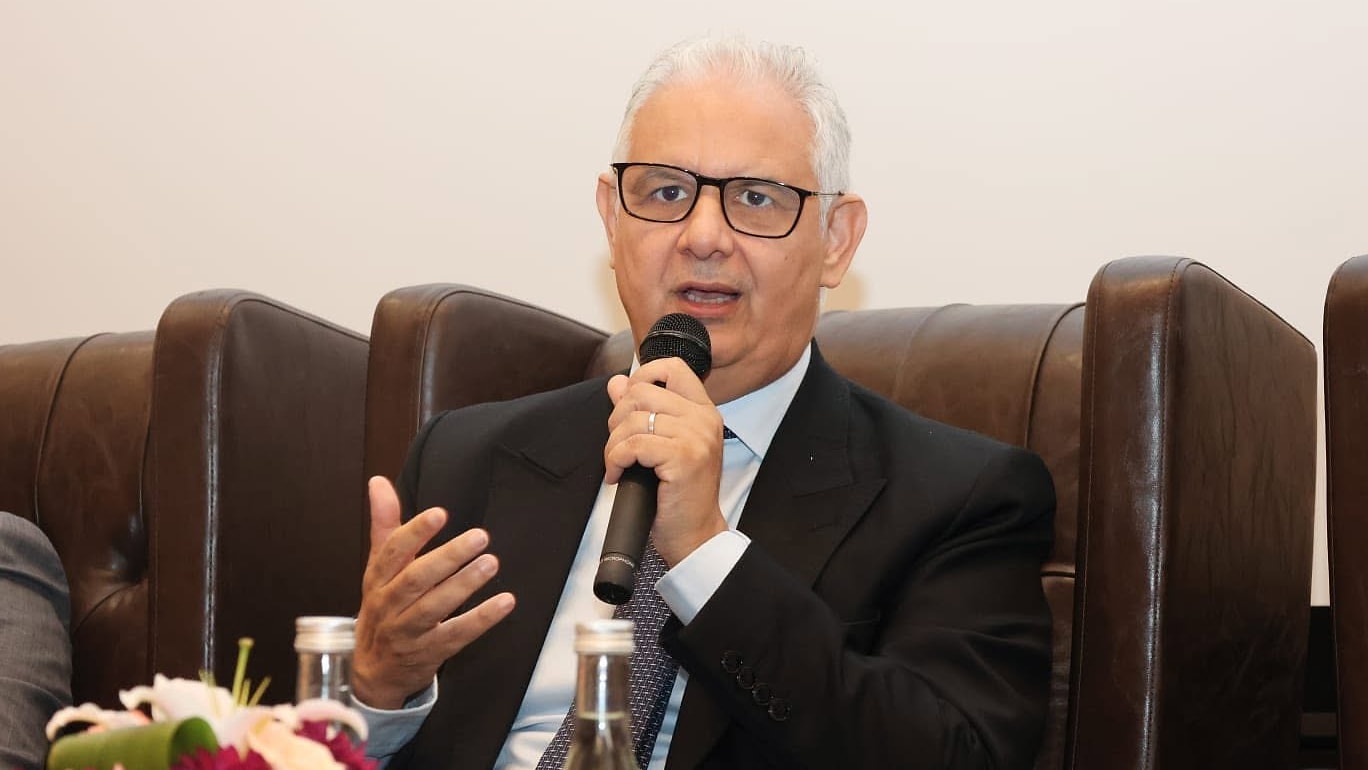
In a compelling address to the Democratic Centrist International, Morocco’s Secretary-General of the Istiqlal Party, Nizar Baraka, urged centrist political forces to transition from mere dialogue to decisive action in addressing escalating global tensions. Speaking at a pivotal moment for international relations, Baraka emphasized the urgent need for a proactive diplomatic approach that goes beyond conventional negotiations, positioning Morocco as a key player in shaping Africa’s response to geopolitical challenges.
Baraka’s remarks highlighted several critical priorities, including the strategic engagement of youth and women in diplomatic initiatives. He underscored Morocco’s commitment to advancing its foreign policy objectives across the continent, with a particular focus on the Sahara region, where the Kingdom continues to advocate for sustainable solutions rooted in dialogue and cooperation.
Strengthening Africa’s voice on the global stage
The Istiqlal leader called for centrist parties worldwide to unite in addressing pressing issues such as regional stability, economic resilience, and climate diplomacy. By fostering stronger alliances within the Democratic Centrist International, Baraka believes Morocco can amplify Africa’s influence in global forums, ensuring the continent’s priorities are prioritized in international decision-making processes.
His speech also touched on the importance of innovative diplomatic strategies that leverage Morocco’s unique position as a bridge between Africa, Europe, and the Middle East. Baraka stressed that proactive engagement—rather than reactive responses—would enable centrist forces to navigate the complexities of today’s geopolitical landscape more effectively.
Morocco’s diplomatic roadmap in focus
Baraka outlined a multifaceted diplomatic roadmap for Morocco, centered on three pillars:
- Regional cohesion: Strengthening partnerships with neighboring countries to address shared security and economic challenges.
- Youth and women empowerment: Integrating young leaders and women into diplomatic processes to foster inclusive and sustainable solutions.
- Sahara as a priority: Advancing Morocco’s autonomy plan for the Sahara region, which remains a cornerstone of its foreign policy and a model for conflict resolution through dialogue.
As global tensions continue to rise, Baraka’s call for a diplomacy of action resonates beyond Morocco’s borders, offering a blueprint for centrist parties to redefine their role in an increasingly fragmented world. His vision positions Morocco not only as a mediator but as a proactive leader in shaping a more stable and equitable international order.


 Mariama Hamani