Boureima Amadou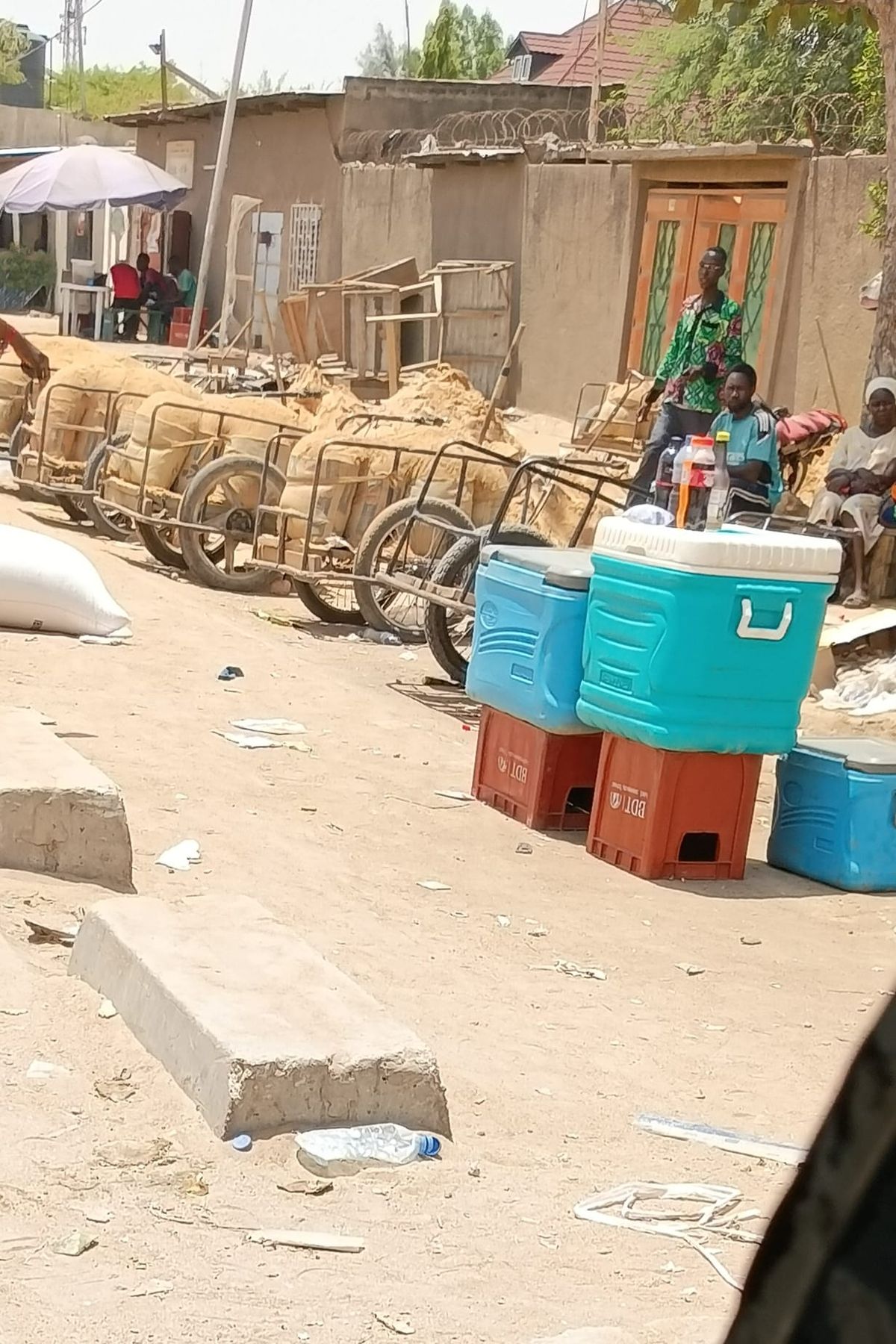
Survival in the sand: how N’Djamena’s youth confront economic challenges
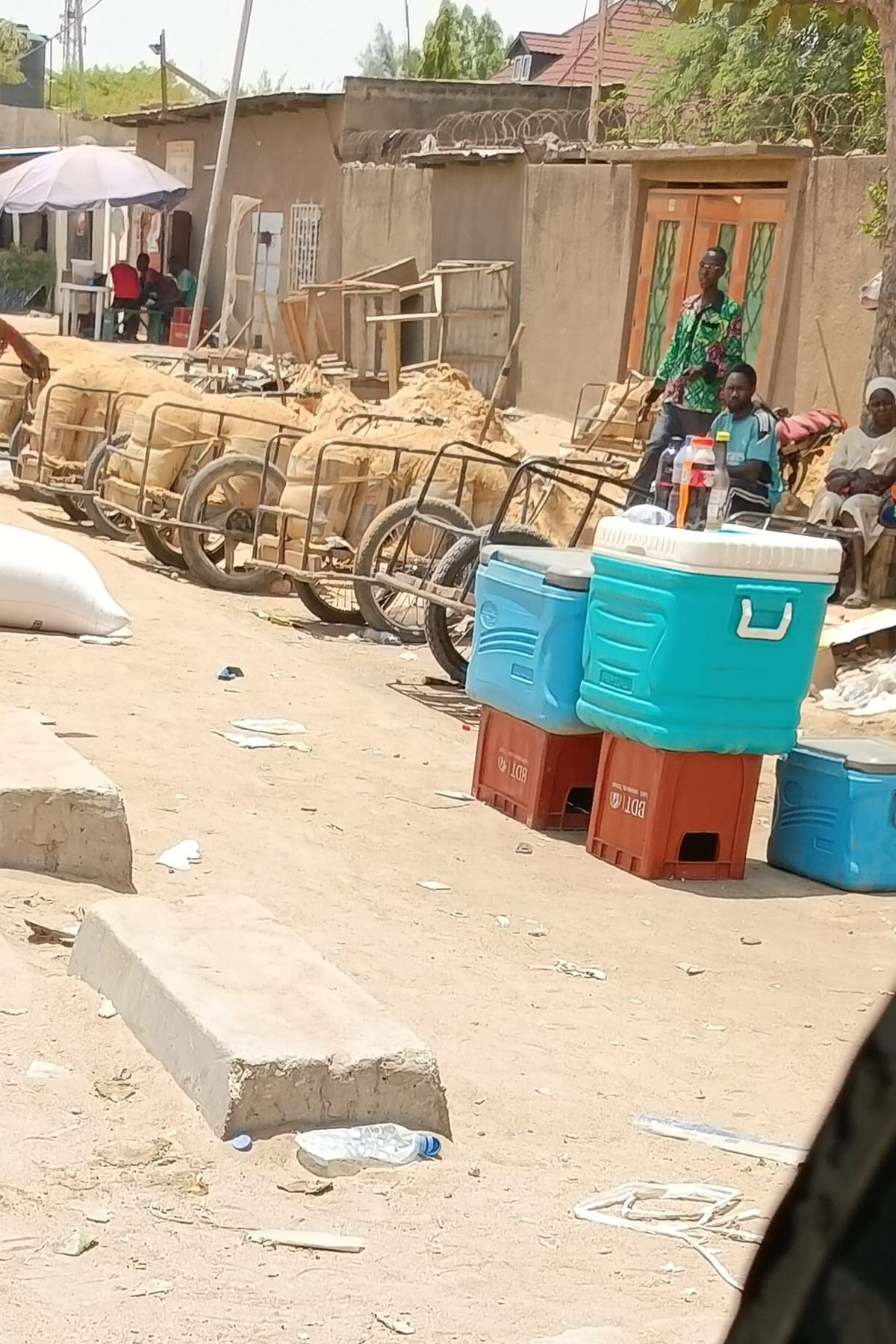
In the bustling capital of Chad, young people are turning to sand hauling as a last resort to escape grinding poverty. The 7th arrondissement’s Emtoukoui market has become a daily battleground where resilience meets necessity.
From classrooms to construction sites: the harsh reality of youth unemployment
The unforgiving sun beats down on Emtoukoui’s main thoroughfare, where dozens of young men stand with loaded carts, scanning the street for any sign of potential customers. This isn’t traditional commerce—it’s pure survival. With Chad’s official youth unemployment rate at 30.3% for ages 15-24, and over 60% of educated youth struggling to find work, manual labor has become the only viable option for many.
Macroeconomic forecasts paint an even bleaker picture: 45.4% of Chad’s population now lives below the poverty line, translating to nearly 9.5 million people fighting for basic necessities. For these young workers, each day begins with a brutal calculation—how much sand can be moved before the sun sets, and whether today’s earnings will cover tonight’s meal.
Invisible workers building N’Djamena’s backbone
The sand trade operates on razor-thin margins. Carrying 50kg loads through the capital’s dusty streets earns between 2,000-5,000 CFA francs per trip—barely enough to sustain a family when prices fluctuate with demand. The work is grueling, with carts often pushed uphill against N’Djamena’s relentless terrain.
“We don’t choose this life by choice, but by necessity,” admits one laborer, wiping sweat from his brow. “The school doors closed long ago. Now survival means putting one foot in front of the other, even when your body screams for rest.” Most of these workers have minimal education, their dreams of white-collar jobs vanished with the country’s shrinking formal employment sector.
More than sand: the hidden crisis of youth potential
The sand haulers represent more than just an economic phenomenon—they embody a generation’s unmet potential. With 22% unemployment across the 15-30 age bracket, Chad faces a critical human resource dilemma. The informal sector has become the safety net that keeps families afloat, yet offers no path to upward mobility.
As these young workers navigate the capital’s streets, their silent struggle plays out against the skyline of N’Djamena. They ask for nothing more than opportunity—just a chance to trade their carts for a future where education and employment align. Until then, the cycle of sweat and sand continues, day after punishing day.



 Mariama Hamani