Boureima Amadou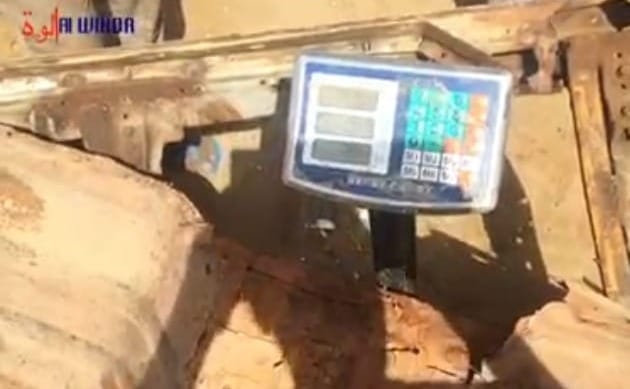
Hadid kilo in N’Djamena: how scrap trade exploits children
The growing scrap metal trade in N’Djamena, known as ‘Hadid kilo’, is pushing children into theft and raising alarm among families and officials.

The streets of N’Djamena echo daily with the chant of scrap metal collectors—‘Hadid kilo, Hadid kilo!’—as they pedal through neighborhoods with rickety carts piled high with iron and steel. What began as a modest trade has mushroomed into a lucrative business, drawing in vendors from across borders, including Niger and Nigeria, who operate without proper permits.
This unregulated commerce is increasingly enticing young people into its orbit, often luring them with quick cash in exchange for stolen household items. Alarm bells have rung in districts like Ngabo, where a 10-year-old sold his mother’s gas cylinder for just 600 FCFA. In Ndjari, an 8-year-old parted with his sibling’s bicycle for 250 FCFA. Meanwhile, in Zafaye, another child sold a part of his father’s car engine for 1,000 FCFA.
Parents and community leaders warn that the ‘Hadid kilo’ trade is fostering a culture of theft among minors. Many fear their children are being conditioned to prioritize immediate financial gain over responsibility, stealing family belongings to sell to scrap dealers. The consequences are dire: not only does this erode trust within households, but it also plants the seeds for a future generation at risk of falling into petty crime and delinquency.
Calls for urgent intervention are growing louder. Residents demand stricter regulations to prohibit scrap dealers from purchasing goods from children, enhanced monitoring of street vendors in markets and neighborhoods, and stronger protective measures for minors. Without decisive action, they argue, the cycle of exploitation and theft will deepen, jeopardizing the well-being and futures of Chad’s youth.
Local observers emphasize that the government must act swiftly to curb this trend. Protecting children from economic exploitation isn’t just a moral duty—it’s a critical step toward safeguarding their education and steering them away from a path that could lead to long-term social and legal troubles.

 Mariama Hamani