Mariama Hamani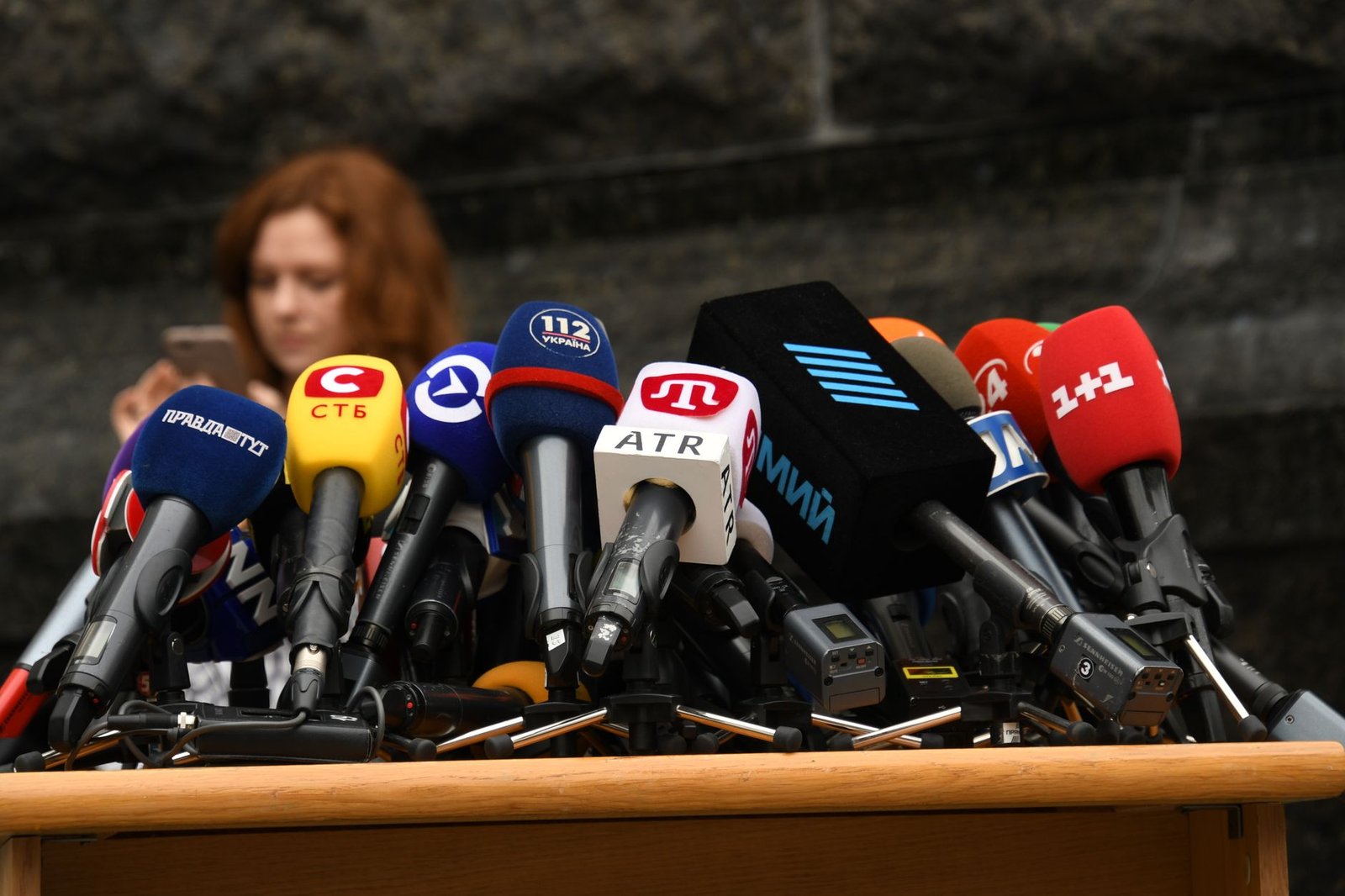
The long-awaited reinstatement of Gabon’s press card has finally been announced in Libreville, ending a five-year hiatus that left journalists without a crucial professional credential. With candidates now required to submit their applications within just five days, the profession faces an unprecedented logistical challenge that tests both its endurance and the credibility of the transitional government.
Five years of administrative paralysis for Gabon’s media sector
The absence of updated press accreditation since 2019 has created a legal gray area, spanning the final years of former President Ali Bongo Ondimba’s tenure and the military-led transition under General Brice Oligui Nguema, who took power on August 30, 2023. This void not only complicated access to official events and institutions but also blurred the lines between certified journalists, public relations professionals, and digital influencers—many of whom now dominate the information landscape. The renewal of this accreditation process falls under the dual oversight of the Ministry of Communication and Gabon’s High Authority of Communication, signaling a potential shift toward clearer institutional norms ahead of pivotal electoral milestones.
A compressed timeline sparks concerns among journalists
The five-day submission window has sent ripples of concern through the profession. Applicants must swiftly gather employer attestations, proof of professional experience, published work samples, and administrative documents—tasks made even more daunting by Gabon’s partial digitalization of government processes. For journalists based in regional hubs like Port-Gentil, Franceville, or Oyem, the urgency of meeting the deadline compounds existing logistical hurdles.
Professional associations, including the Gabonese Media Observatory and regional chapters of groups like the Francophone Press Union, are closely monitoring the situation. The exact number of eligible candidates remains uncertain: Gabon’s media landscape includes a few hundred professional journalists across print, radio, television, and a rapidly expanding digital sector. The press card also serves as a critical tool for quantifying the profession’s true scope in a field often diluted by unregulated practitioners.
Press card renewal as a litmus test for democratic transition
The timing of this renewal is not coincidental. Gabon’s ranking at 56th place in Reporters Without Borders’ 2024 World Press Freedom Index reflects a fragile position, despite being relatively favorable compared to neighboring countries. Advocacy groups emphasize that an official press card must not devolve into an arbitrary tool for restricting access to official functions or press conferences.
Comparative insights from neighboring nations highlight the stakes. In Senegal, the implementation of the 2017 Press Code faced prolonged delays in operationalizing the press card commission, fostering lasting tensions between authorities and media organizations. Meanwhile, Ivory Coast’s Commission for Professional Journalist Identification now publishes annual lists, establishing a functional routine that many Central African capitals have struggled to replicate.
For Libreville’s transitional authorities, the stakes extend beyond mere administrative efficiency. A transparent, well-structured rollout—with reasonable deadlines and transparent criteria—could bolster the government’s narrative of institutional renewal. Conversely, a rushed or opaque process risks deepening skepticism among journalists who have weathered years of political upheaval without meaningful reforms to their professional framework. The coming days will reveal whether this press card revival is a step toward genuine normalization or merely a symbolic gesture.

 Boureima Amadou