Boureima Amadou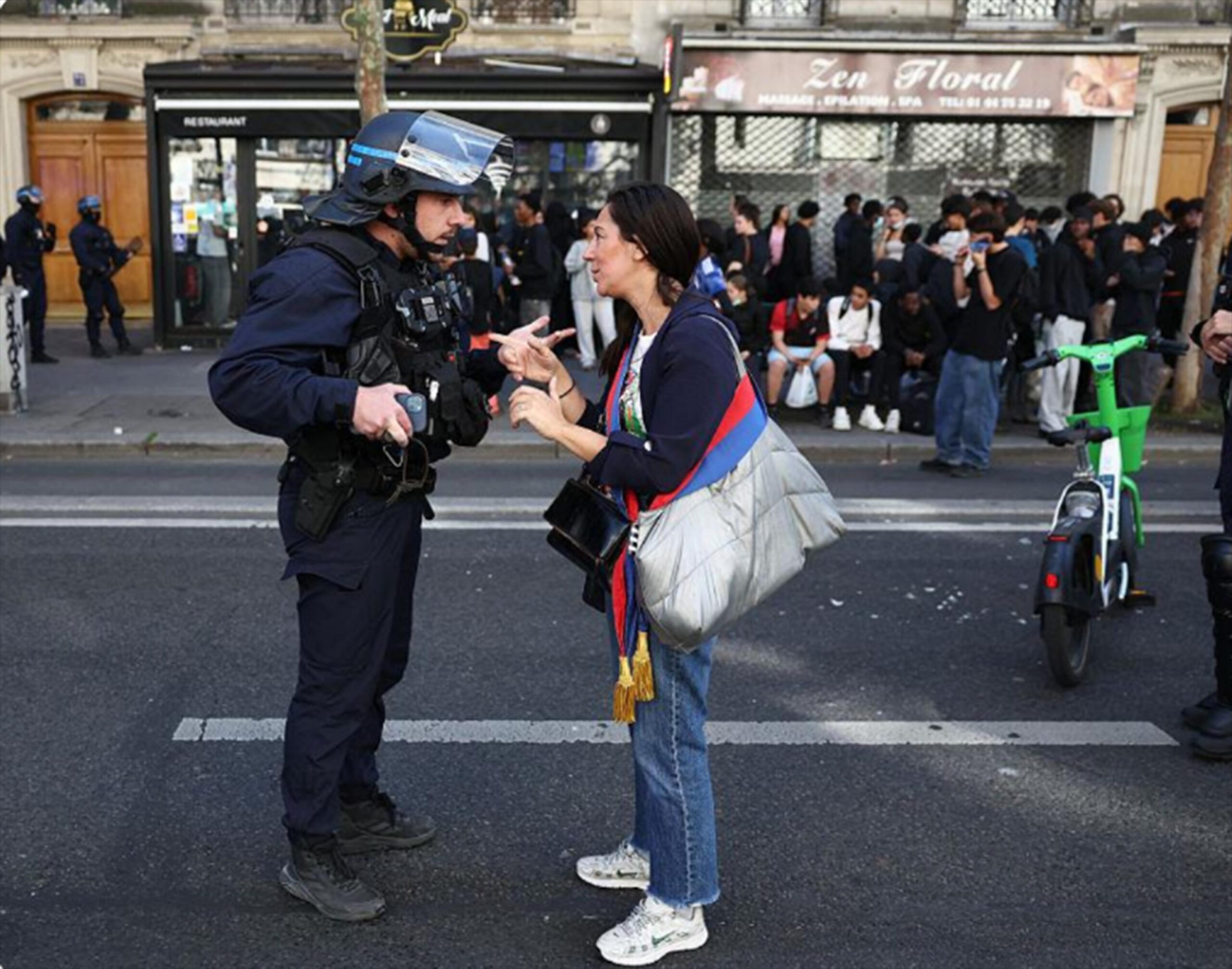
From classrooms to streets: how school frustrations ignited a nationwide movement
As France braces for a pivotal presidential election in 2027, a wave of youth-led protests is reshaping the national conversation about education. What began as isolated grievances over crumbling infrastructure and overcrowded classrooms has snowballed into a full-scale movement, drawing in students, teachers, and even broader social groups united by a shared demand: transformative change in the school system before the vote.
Where the pressure began: voices from the classrooms
On September 10, tensions flared as students returned to school. Crumbling buildings, chronic teacher shortages, and packed schedules topped their list of frustrations. But the real flashpoint came from the frustration with Parcoursup, the university admissions system, which many view as a source of stress rather than opportunity. These concerns spread rapidly, escalating from walkouts to coordinated protests.
By mid-October, the movement had gained unstoppable momentum. A fifth round of demonstrations on October 13 drew an estimated 480,000 participants, according to organizers, though authorities reported far fewer numbers. Regardless of the figures, the message was clear: the education system is failing a generation.
The hidden divide: how inequities are shaping the revolt
This isn’t just about resources. The protests have laid bare the stark disparities in education quality across France. In wealthier neighborhoods, students enjoy modern facilities and robust teacher coverage. In others, aging buildings, starved budgets, and teacher absences create an uneven playing field that deepens social divides.
Government surveys released this month confirmed what students have long known: overburdened schedules and inadequate teacher replacements are among the top concerns. While officials point to increased funding in the draft 2027 budget, critics argue the measures fall short—both in scale and in addressing root causes.
A movement spills into the streets—and beyond education
The October 17 protests marked a turning point. What started as a school-focused revolt has grown into a broader call for economic fairness and public service reforms. Echoes of the “yellow vests” movement have merged with student demands, creating an unpredictable force in the lead-up to 2027.
But unity among protesters doesn’t mean consensus. Some march for better school conditions; others protest wage stagnation. Yet their convergence highlights a deeper discontent: a generation questioning whether France’s institutions can deliver on long-held promises of opportunity and equality.
Violence disrupts the message—but doesn’t define it
In Paris and Marseille, clashes broke out during the October 17 rallies. Police reported property damage and responded with force, raising concerns about crowd control and the right to peaceful protest. These incidents risk overshadowing the movement’s legitimate demands—unless they spark real dialogue.
The question now isn’t whether the protests will continue. It’s whether they can drive real policy shifts. Without structured negotiation, the energy of the streets may dissipate, leaving only frustration in its wake.
2027 On the horizon: can politics catch up?
With the presidential election looming, education has become a defining issue in the national debate. Candidates are facing pressure to address urgent questions: How should public funds be allocated to schools? Can France restore true equality in education? What protections can be offered to young people facing precarity?
For President Emmanuel Macron’s administration, the timing couldn’t be worse. His second term ends in 2027, and the way his government responds to these demands could shape his legacy—even if the final vote outcome remains uncertain.
The path forward: from protest to policy
Protests make frustrations visible. But lasting change requires more than slogans. It demands structured participation from students, teachers, families, and policymakers. The next few months will determine whether this youth mobilization becomes a catalyst for reform—or just another wave of unheard voices.
One thing is certain: the French education system is at a crossroads. And the road chosen before 2027 will define the future for millions of young people.



 Mariama Hamani