Boureima Amadou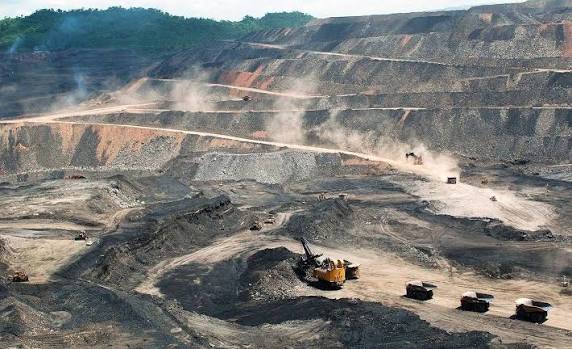
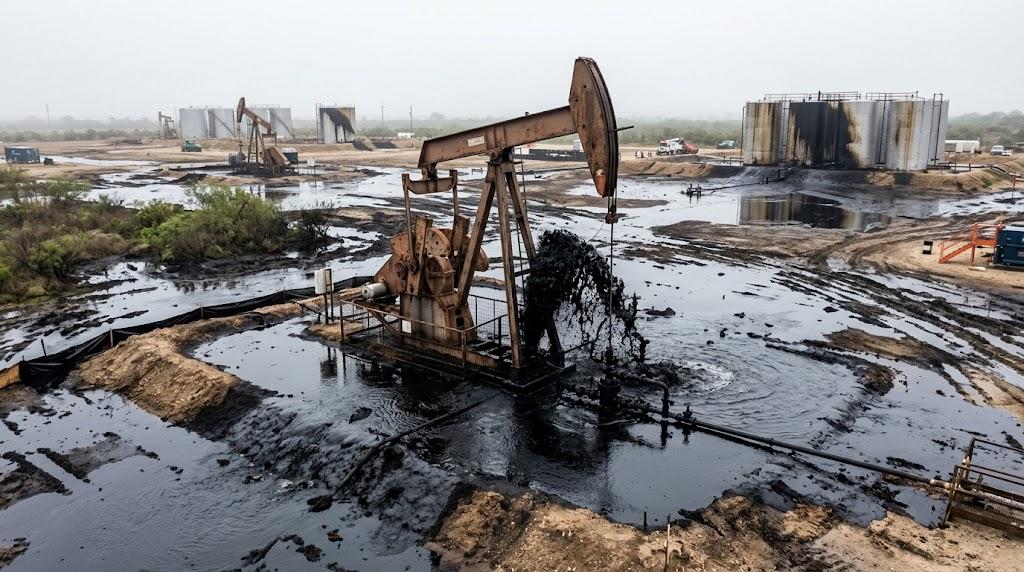
As Gabon’s oil production steadily declines, the nation is pivoting toward a bold new economic strategy centered on unlocking its vast mineral wealth. By 2030, authorities aim to launch eight new mines, marking a decisive shift toward diversifying revenue streams and reducing reliance on hydrocarbon exports.
Unlocking mineral wealth with strategic projects
The Ministry of Mines, under the leadership of Sosthène Nguema Nguema, has prioritized the development of high-potential deposits. Key initiatives include iron ore projects in Milingui, Baniaka, Mébaga, and M’Bilan, alongside gold extraction at Etéké and a potash operation in the pipeline. These ventures are designed to catalyze industrial growth and stabilize long-term economic output.
Mining’s expanding role in national wealth
The government envisions the mining sector’s contribution to GDP rising from 6% to nearly 20% in the coming years. Beyond economic gains, this expansion is expected to generate thousands of jobs and significantly boost public revenue—critical steps toward sustainable development.
Infrastructure upgrades: the backbone of progress
Modernizing transport and energy networks is non-negotiable for realizing these ambitions. Economist Orphée Mouelé highlights the urgent need for upgraded roads, railways, ports, and reliable energy supply. These upgrades will slash logistical expenses and streamline mineral exports, ensuring competitiveness in global markets.
Ensuring inclusive benefits for communities
Civil society voices, including Éthique et Bonne Gouvernance, stress that economic gains must translate into tangible social progress. The success of this mining push will be measured not only by financial returns but by its ability to uplift local livelihoods and foster enduring prosperity.
From raw materials to local industry
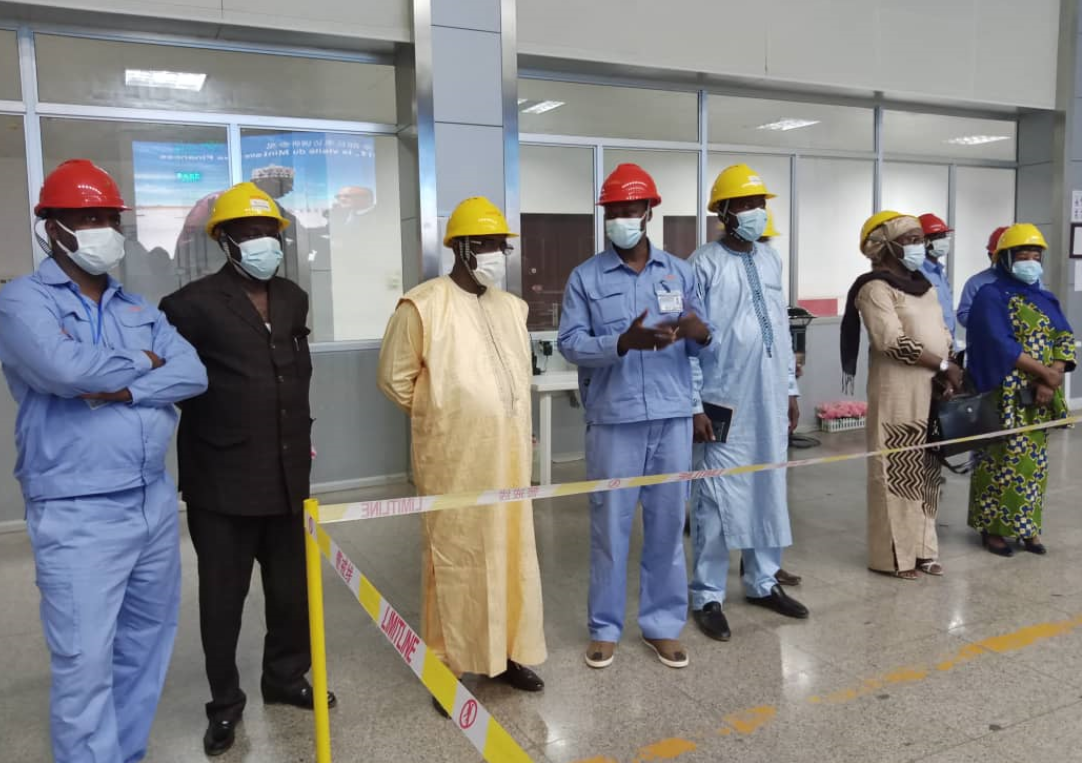
Gabon is doubling down on in-country mineral processing to extract greater value from its resources. By refining ores before export, the country aims to build a robust domestic industry, reduce vulnerability to oil price volatility, and strengthen economic resilience for generations to come.