Mariama Hamani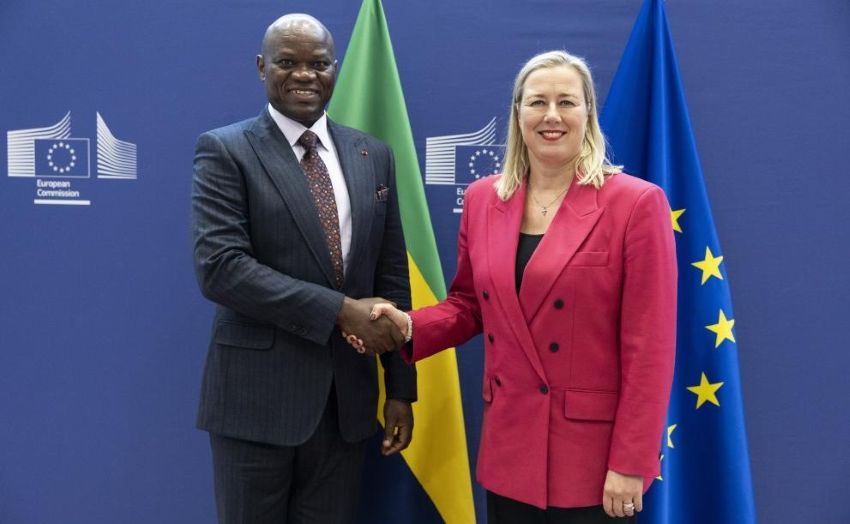
Libreville — The conclusion of the long-standing agreement with the European Union represents a significant pivot in the national strategy for economic sovereignty.
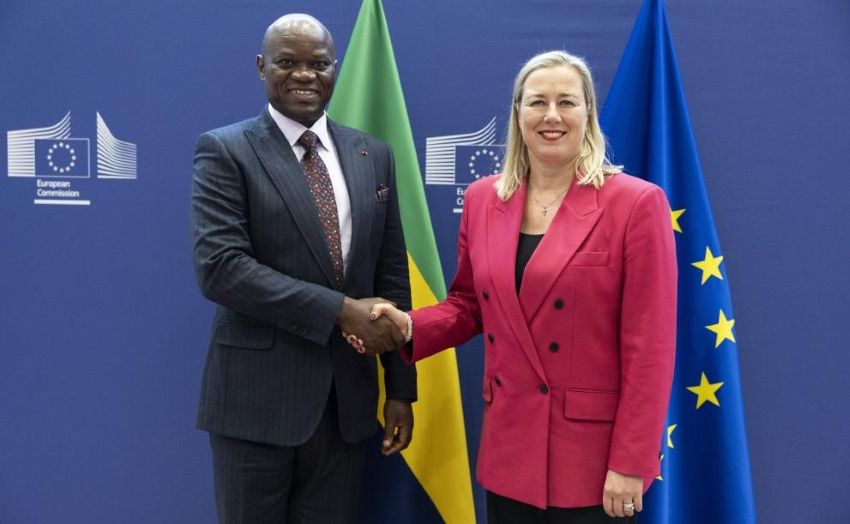
June 29, 2026, stands as a defining moment for the Gabonese economy. Following nineteen years of maritime cooperation with the European Union, the government in Libreville has opted not to renew the Partnership Agreement that previously governed the exploitation of its aquatic resources. This decision marks a fundamental shift in how the nation intends to manage its natural wealth.
Beyond a mere contractual expiration, this move signals a strategic choice to place national assets at the forefront of the country’s development. By ending a framework that has been in place since 2007, the administration is asserting its desire to bolster economic independence and move away from a model traditionally centered on the export of raw, unprocessed materials. This new direction aligns with the vision of President Brice Clotaire Oligui Nguema, who seeks to make the local processing of natural resources a cornerstone of the nation’s economic trajectory.
Challenging a perceived economic imbalance
For nearly two decades, the fishing accord between Gabon and the European Union allowed European fleets to harvest maritime resources within Gabonese waters. While the partnership was originally framed as a tool for economic cooperation, various assessments over the years have highlighted its shortcomings.
Analysis suggests that the direct economic benefits for Gabon remained minimal compared to the actual potential of its fisheries. A significant portion of the catches made in local waters was destined for international markets without any substantial processing occurring on domestic soil. This arrangement hindered the growth of a local industry capable of creating jobs, fostering specialized skills, and generating significant added value.
In a period where many nations are seeking greater control over their production chains, maintaining the status quo was increasingly viewed as incompatible with national ambitions. This choice reflects a broader trend in African governance, where states are looking to rebalance international economic relations to ensure a fairer distribution of profits from strategic resource exploitation.
Positioning fisheries as a driver for diversification
The decision to let the agreement expire paves the way for a revamped maritime policy. The objective is to transform the fishing sector into a genuine engine for economic diversification. This ambition is built upon several key pillars.
- Local processing: Developing domestic facilities so that seafood products are processed within the country before being sold.
- Food security: Strengthening the domestic market’s supply to ensure better access to nutrition for the population.
- Industrial growth: Encouraging the rise of a national industrial framework capable of competing with foreign entities in strategic sectors.
This shift is expected to stimulate private investment in areas such as preservation, maritime logistics, refrigerated transport, and food processing. The long-term goal is the emergence of a robust “blue economy” that generates both employment and national wealth. With a coastline stretching over 800 kilometers and some of the richest maritime resources in the region, Gabon possesses the necessary assets to build a sustainable and high-performing industry.
The construction of economic sovereignty
Terminating this agreement with the European Union is about more than just fish; it symbolizes a new philosophy of development based on the national mastery of strategic resources. The upcoming challenge involves translating this political will into tangible results. Success will depend on the ability to attract investment, modernize infrastructure, and implement rigorous sector governance.
By prioritizing local transformation over the raw export of maritime wealth, Gabon is sending a clear message to the world. The nation intends to use its natural resources as a tool for domestic prosperity rather than simply serving as a supply source for foreign markets. This decision underscores a growing conviction in continent news: the true wealth of a nation is found not just in what it extracts, but in its ability to process, value, and sustainably manage its own heritage.


 Boureima Amadou