Boureima Amadou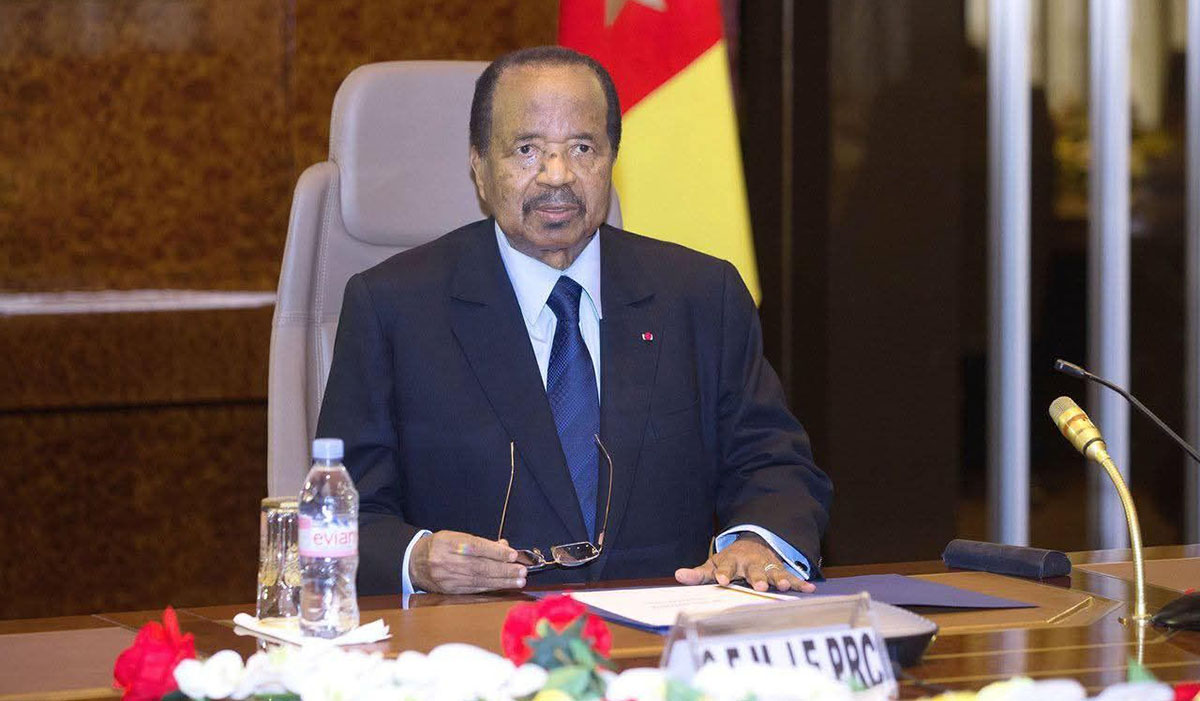
Recent developments in the capital have placed the spotlight back on the transition of power and the strategic maneuvers within the high spheres of the state.
On June 29, 2026, the Minister of Finance made a significant public statement regarding the restructuring of Sonara. This move has effectively repositioned him as a central figure in the ongoing discussions about who will eventually succeed the current administration. It appears that a calculated effort to marginalize certain figures, particularly Franck Biya, is currently underway through various media channels.
There have been claims suggesting that the Bulu elite and the youth in the South are resistant to a potential candidacy from Franck Biya. However, a deeper look into the political landscape suggests that these narratives are fueled by the anxiety Franck Biya inspires in other contenders for the vice-presidency. Before his recent travel to Switzerland, President Paul Biya was reportedly presented with two distinct proposals for the vice-presidency and a new government structure—one originating from the First Lady’s circle and another from the General Secretariat of the Presidency. The President chose not to act on these suggestions, instead opting for a private working session with Franck Biya during his time in Geneva, bypassing the usual administrative protocols.
The battle within the deep state
Accusations have recently surfaced attempting to link Franck Biya to illicit gold trade. These allegations are symptomatic of a final confrontation within the deep state. The ongoing investigations by the Special Criminal Tribunal (TCS) into gold looting and the revelations surrounding the Martinez Zogo case are being closely monitored by President Paul Biya. These judicial mechanisms are likely to lead to the political downfall of several high-ranking officials who are currently vying for the vice-presidential slot. The longer the appointment of a vice-president and a cabinet reshuffle are delayed, the more these internal scandals will come to light, exposing the fierce appetites for power.
This period of uncertainty also brings security challenges for the Head of State. Following the Martinez Zogo affair, which highlighted troubling links between certain security elements and business interests, the President has increasingly relied on the BIR, an elite unit of the Cameroon military dedicated to national sovereignty. The commander of the Presidential Guard has even established a workspace within the Etoudi palace to ensure maximum oversight.
International involvement and national stability
The security situation has also drawn international attention. United States intelligence services, which are monitoring potential instability in Cameroon, have reportedly advised the President to limit his international travels. This cooperation reached a high point when William Joseph Burns, the director of the CIA, arrived quietly at the Yaoundé-Nsimalen international airport for high-level meetings with Cameroon’s intelligence chiefs. Even Donald Trump has been mentioned in the context of ensuring the safety of the President during this delicate time.
Despite various rumors, it is evident that President Paul Biya maintains a firm grip on the country’s most sensitive issues. In the face of intense clan rivalries, his continued leadership and personal security are essential. He remains the only figure capable of navigating these internal conflicts to ensure that Cameroon experiences a peaceful and orderly transition of power.


 Mariama Hamani