
 Boureima Amadou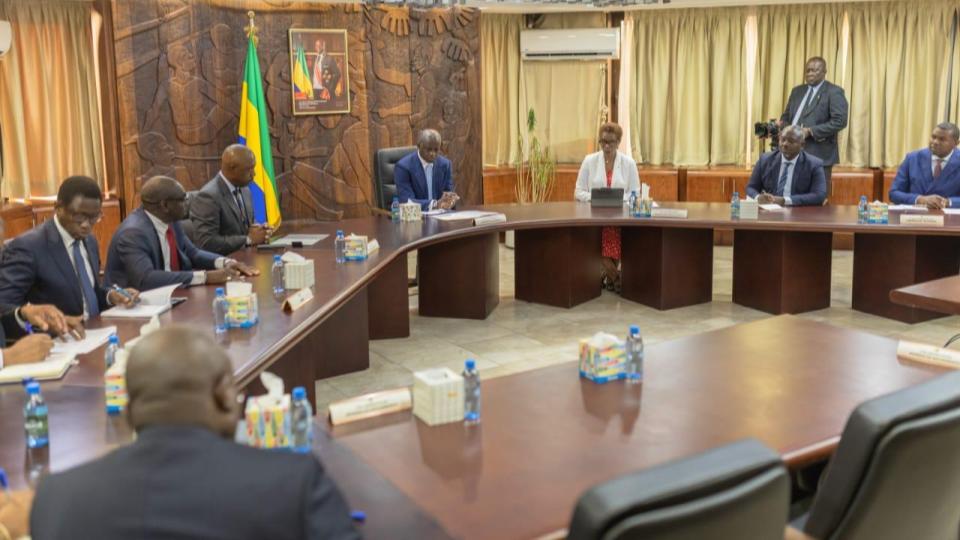
The Gabonese government is stepping up efforts to tighten control over the implementation of projects funded by the African Development Bank (BAD) to ensure swifter execution. This initiative took center stage during a high-level meeting chaired by Vice-President of the government, Hermann Immongault, on June 29, 2026. The session brought together a BAD delegation led by the Bank’s Country Director, Mamour Ousmane Ba, alongside key ministers including Louise Mvono (Planning) and Pacôme Kossy (Agriculture). The gathering followed recent discussions between the President and the BAD’s leadership during the institution’s annual meetings in Brazzaville, where progress on financed projects and implementation bottlenecks were reviewed.
The government’s renewed focus aims to enforce stricter monitoring of each project under the BAD portfolio. Officials emphasize that borrowed funds must translate into tangible benefits for citizens, aligning with the objectives outlined in the National Growth and Development Plan. Immongault underscored the critical need for transparency, performance, and adherence to timelines, stressing that every stakeholder must uphold their responsibilities to enhance the efficiency of public investments.
Action plan targets delayed infrastructure projects
During the meeting in Libreville, the government finalized an action plan to expedite projects facing significant delays. Two key initiatives drew particular attention: the Integrated Program for Potable Water Supply and Sanitation in Libreville (PIAEPAL) and the Ndendé-Doussala road project. Addressing the latter, Immongault conveyed the President’s concerns about the slow progress, urging corrective measures. Authorities also highlighted internal assessments to identify dysfunctions and improve coordination with the BAD.
For his part, Mamour Ousmane Ba commended Gabon’s ongoing reforms and reaffirmed the BAD’s commitment to supporting national priorities. He outlined the New Financial Architecture for African Development (NAFAD), a framework designed to enhance investment efficiency across the continent. The BAD, which maintains a robust portfolio of transformative projects in Gabon—spanning water supply, vocational training, agriculture, and road infrastructure—reaffirmed its dedication to the country’s development agenda.








