Boureima Amadou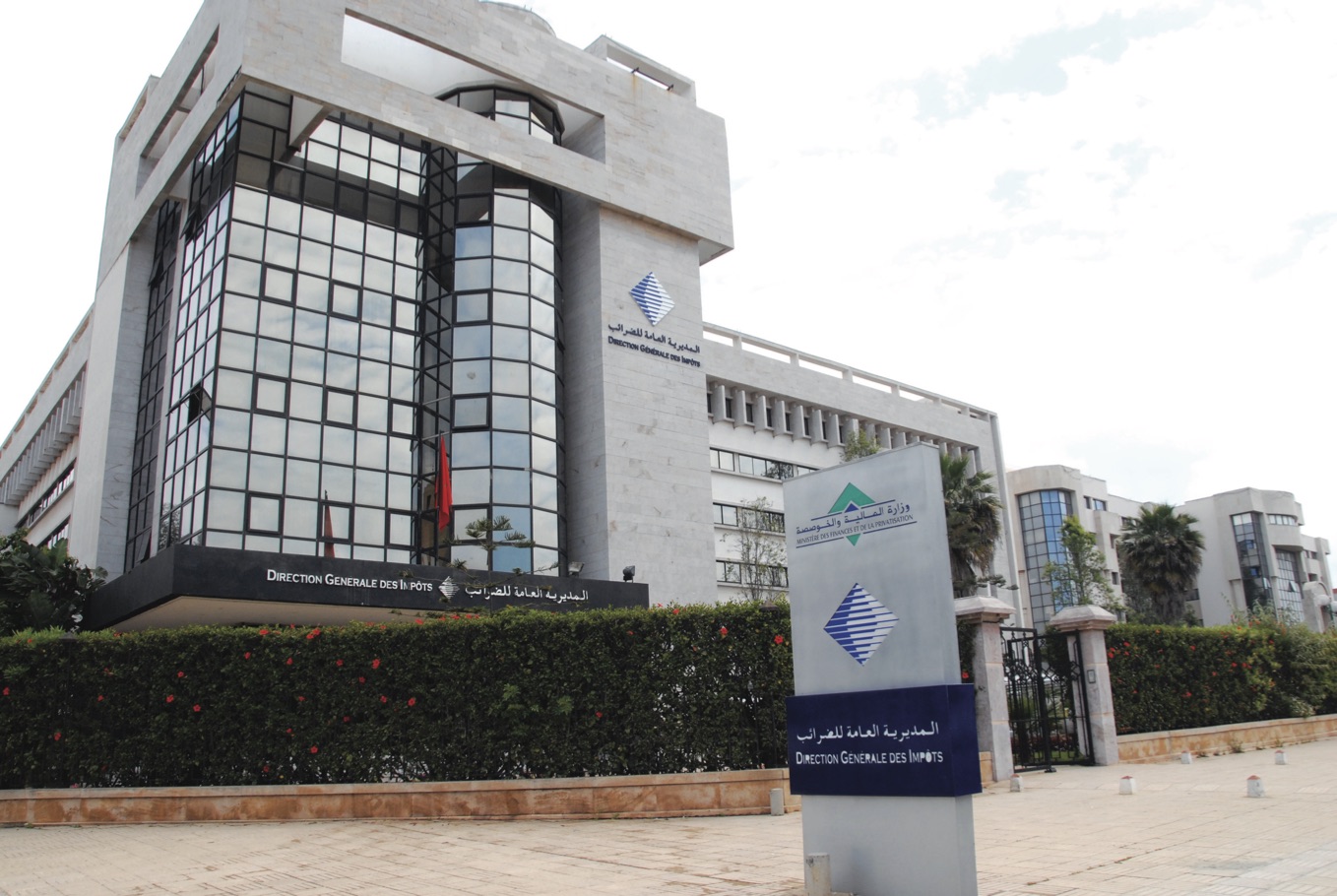
Digital platforms have woven themselves into the fabric of daily life. From Meta and X to Netflix, Spotify, and Airbnb, these services—once mere tools for entertainment or social connection—have evolved into economic juggernauts with global reach. Their influence transcends borders, yet their financial footprints often evade traditional fiscal systems. In Morocco, this discrepancy has reached a turning point. Since June 11, 2026, the General Directorate of Taxes (DGI) has launched a dedicated platform to tax digital services, marking a decisive shift in how the country engages with the digital economy.
The notion that the digital realm generates tangible economic value is no longer theoretical. Nobel laureate Paul Romer highlighted this long ago: technological progress is not random but the result of calculated economic decisions. Social media platforms, born in research hubs like MIT, Harvard, or Silicon Valley, exemplify this principle. Their creation was not accidental; it was a strategic move to exploit profitability in a burgeoning market.
The scale of this transformation is staggering. Recent data reveals that over 36.5% of all internet time is now spent on social media. Nearly half of users rely on these platforms to maintain connections (48.6%), while others use them for entertainment (37.3%) or news consumption (34.6%). Behind these interactions lies an advertising revenue stream that accounts for roughly 85% of these platforms’ earnings—and this figure continues to rise. For businesses, the benefits are undeniable: 90% of companies leveraging social media report measurable advantages. The influencer marketing sector alone surged from $16.4 billion in 2022 to twenty times that amount by 2025, driven by engagement rates that dwarf traditional brand content (96% versus brand-published rates).
Morocco’s digital market: a goldmine waiting to be tapped
With 23.8 million social media users—63.4% of the population—Morocco represents a lucrative yet underutilized market. As of January 2022, YouTube boasted 21.5 million users, Facebook Messenger had 8.35 million, and TikTok counted 5.97 million users over 18. These numbers aren’t just statistics; they reflect communities, audiences, and potential customer bases for aspiring digital entrepreneurs. Mohcine Benachir, CEO of Prestige Informatique, emphasizes this shift: “The digital economy is no longer a future concept—it’s here, reshaping how businesses operate.”
Digital advertising now commands 17% of total marketing budgets in Morocco, with social media ads dominating the landscape. Yet, despite this growth, local businesses face an uneven playing field. Global tech giants like Facebook and Google dominate 60-70% of the online advertising market. In 2022 alone, Google reported a net profit of $60 billion—primarily from ad revenue—yet contributed nothing to Morocco’s tax base.
The fiscal paradox: profits without taxation
The problem is systemic. Mounir Jazouli, former president of the Moroccan Press Association, has long advocated for local solutions: “The challenge isn’t just competing with global platforms—it’s ensuring our economy benefits from the digital boom.” He points to the need for homegrown alternatives, such as ad-supported content models, to counterbalance the dominance of foreign tech firms.
This disparity isn’t just a fiscal issue; it’s a drain on national resources. Every dirham spent on ads via Meta or Google leaves the country as foreign currency, never to return. In 2018, a joint committee from the DGI and the Foreign Exchange Office began examining taxing advertising revenues from GAFAM (Google, Apple, Facebook, Amazon, Microsoft), but progress stalled. Now, the tide has turned.
A new era: Morocco joins the global digital tax movement
On June 11, 2026, the DGI unveiled its “Taxation on Digital Services” platform, accessible through the SIMPL portal. Foreign digital service providers—including Netflix, Spotify, Google, Meta, Airbnb, and Uber—must now register their Morocco-based revenue and pay corresponding VAT. This reform, outlined in Decree No. 2-25-862 (published in December 2025), imposes strict obligations: registration for a tax ID, quarterly revenue declarations, and detailed service logs subject to audits.
The move aligns Morocco with over 30 countries taxing digital giants, following OECD guidelines. While the immediate fiscal gain is estimated between 500 million and 1 billion Moroccan dirhams, the long-term impact is more profound. It addresses a historic competitive imbalance: local startups and media outlets, taxed from their first dirham, have long competed against foreign platforms enjoying a de facto 20% cost advantage.
Ouassim Driouchi, Telecommunications and Innovation Associate at BearingPoint, notes: “This isn’t an isolated decision; it’s a convergence toward global standards. The digital economy’s full potential in the MENA region could boost GDP per capita by 46% over 30 years, but only if value is retained locally.”
The bigger picture: sovereignty, data, and economic resilience
Beyond revenue, this reform touches on sovereignty. Digital platforms aren’t just economic actors; they’re custodians of user data and algorithms that shape consumption patterns. By taxing foreign services, Morocco regains leverage to negotiate data governance and economic models. It also curbs capital flight: every VAT payment ensures a portion of digital ad spend circulates within the local economy.
However, challenges remain. The DGI’s platform, while robust, requires cutting-edge infrastructure to track digital transactions in real time. Cross-referencing IP addresses, Moroccan phone prefixes (+212), and banking details is essential to enforce compliance. The risk? Without such systems, the law risks becoming toothless in the face of global tech giants’ legal and financial might.
Local collaboration is key. As Jazouli stressed, Moroccan publishers and startups must unite to build competitive alternatives. Only then can the country harness its digital potential without ceding control to foreign entities.