Mariama Hamani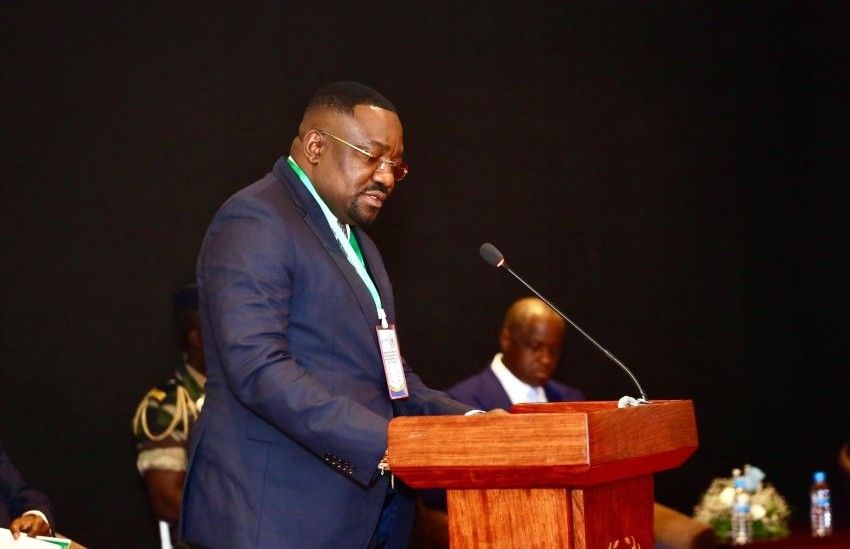
The Gabonese government has been designated by the United Nations to participate in the evaluation of Seychelles’ anti-corruption mechanisms, marking a significant milestone in its international relations.
Through this mission, Libreville will not only engage in technical cooperation with other nations but also assume the responsibility of evaluating the conformity of Seychelles’ public policies with international standards for governance and transparency.
This UN designation is a strong diplomatic signal, especially in an era where corruption, accountability, and institutional integrity are increasingly important topics in international relations and economic development assessments.
The Gabonese government has been selected to lead the evaluation of Seychelles’ anti-corruption mechanisms following its own successful completion of the second cycle of evaluation under the United Nations Convention against Corruption.
This process, overseen by the Office of the United Nations Counter Drugs and Crime, aims to measure the progress made by countries in preventing corruption, strengthening international judicial cooperation, recovering illicit assets, and enhancing transparency in public institutions.
After completing its own evaluation cycle, Gabon was chosen through a random draw to oversee the examination of Seychelles’ anti-corruption mechanisms. This mission involves analyzing the legislative frameworks, control mechanisms, and policies developed by Seychelles to assess their compliance with the Convention’s standards.
This evaluation is not merely a formal administrative task but requires recognized international expertise in law, technique, and institutions.
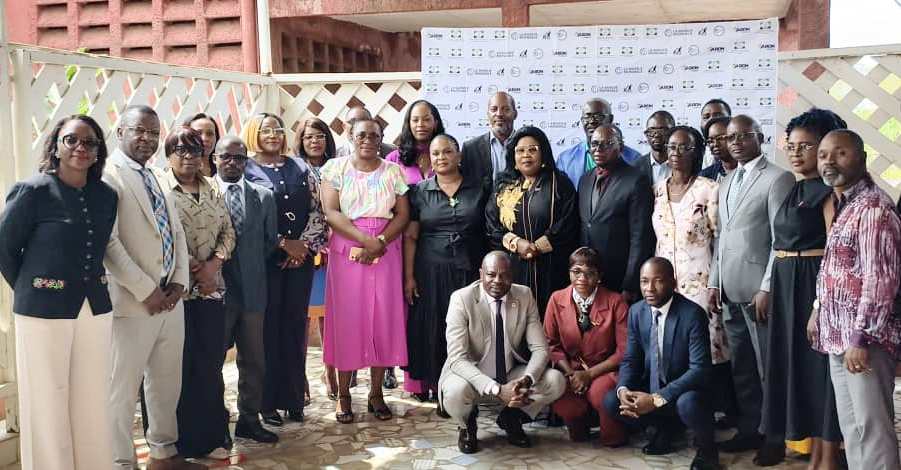
The experts from Gabon’s National Commission on Corruption and Illicit Enrichment will conduct this mission, examining Seychelles’ national prevention mechanisms, declaration of wealth procedures, public finance control processes, and international judicial cooperation tools.
The objective is not to penalize evaluated countries but to foster the sharing of best practices, identify areas for improvement, and strengthen collective effectiveness in combating corruption. This evaluation mechanism relies on a principle of cooperation between member states, which is a cornerstone of the United Nations system of governance promoted by the UN.
In a world where corruption is estimated to cost trillions of dollars annually, the efficacy of these mechanisms becomes a critical issue for economic stability, investor confidence, and public institution quality.
The Gabonese government’s participation in this evaluation process also marks an evolution in its international influence. By becoming an evaluator rather than being evaluated, Gabon is taking a significant step in enhancing its presence within international institutions, whether it be regional or global, covering issues such as environmental protection, governance, security, and economic cooperation.
This mission signifies not only the recognition of Gabon’s technical capabilities but also the confidence placed in its ability to contribute to shaping contemporary standards of good governance.
In the current multilateral system, influence is no longer solely measured by economic power or military might. It is also constructed through diplomatic negotiations, evaluation mechanisms, and spaces where global rules are defined.
By joining the ranks of countries evaluating global governance, Gabon is not only participating in international debates but also contributing to shaping the norms that will guide public policies of tomorrow.
FIN/INFOSGABON/SO/2026

 Boureima Amadou