Boureima Amadou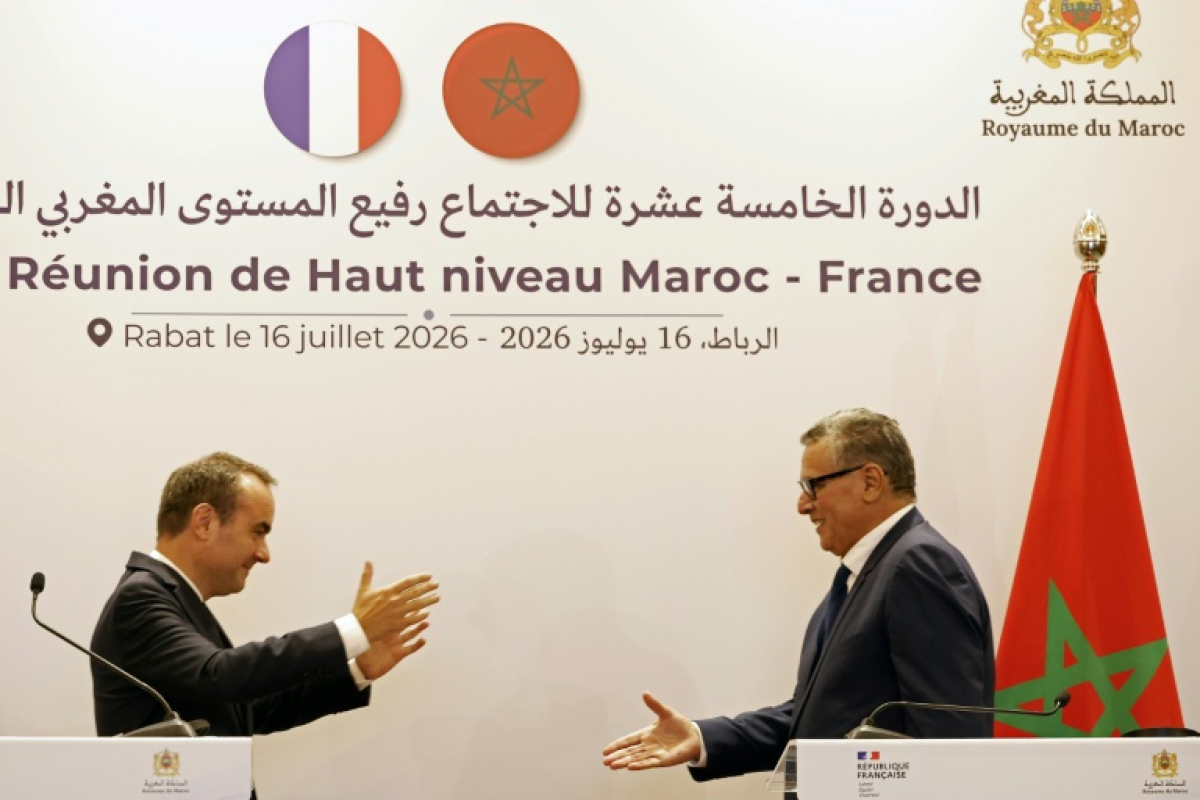
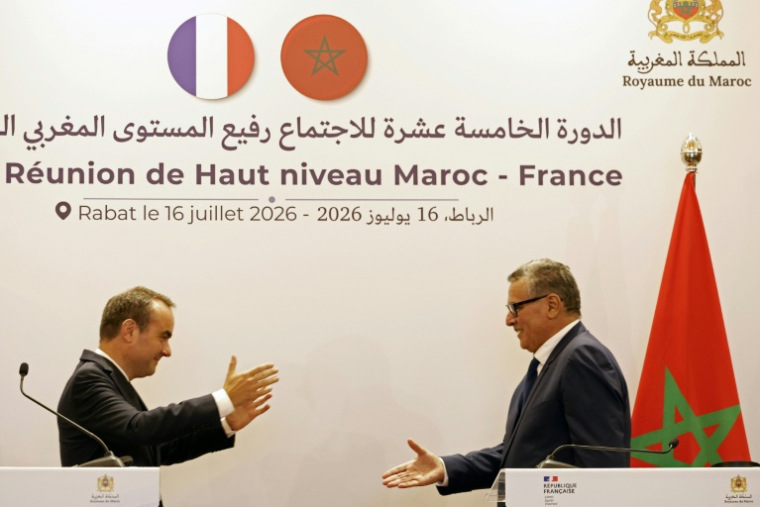
French Prime Minister Sébastien Lecornu (left) and Moroccan counterpart Aziz Akhannouch during a joint press conference at the Ministry of Foreign Affairs in Rabat
France and Morocco have reaffirmed their “restored confidence” in bilateral relations during a landmark visit by French Prime Minister Sébastien Lecornu to Rabat. The meeting marks a significant thaw in ties that began after French President Emmanuel Macron’s 2024 recognition of Morocco’s sovereignty over Western Sahara—a move that strained relations with Algiers.
In a joint statement, Lecornu praised the “exceptionally positive” state of Franco-Moroccan relations, which have flourished since Macron’s high-profile visit to Rabat in October 2024. This followed years of tension exacerbated by espionage allegations and visa restrictions.
The visit culminated in the signing of multiple agreements, including a groundbreaking “exceptional strengthened partnership”—France’s first such treaty with a non-EU nation.
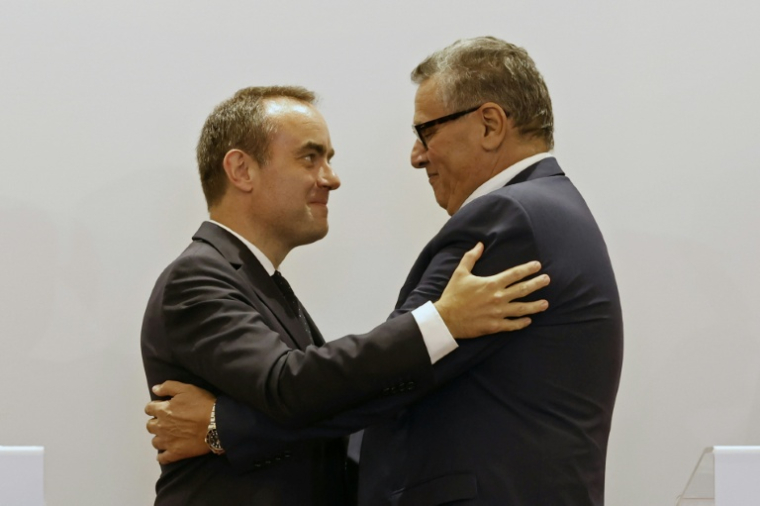
French Prime Minister Sébastien Lecornu (left) and Moroccan counterpart Aziz Akhannouch embrace after a press conference
While the visit celebrated strengthened ties, fresh reports emerged from an international media consortium detailing alleged Moroccan espionage using the Pegasus spyware. Rabat swiftly dismissed the claims as “false and baseless.”
The originally planned press conference was scaled back to a brief statement without Q&A, signaling cautious diplomacy amid lingering controversies.
Milestone agreements
French officials, including Foreign Minister Jean-Noël Barrot and Interior Minister Laurent Nuñez, joined Lecornu in discussions with their Moroccan counterparts. The delegation’s visit coincided with the resumption of the Haut Niveau dialogue—a bilateral forum last held in 2019.
Lecornu hailed the meeting as a “turning point,” emphasizing a shared commitment to expand cooperation on security, counterterrorism, and regional stability. He noted unprecedented operational successes in combating organized crime and drug trafficking, attributing them to seamless intelligence-sharing.
A key focus was Africa, where both nations face jihadist threats in the Sahel. “Our interests align in deploying joint efforts where security is most critical,” Lecornu stated.
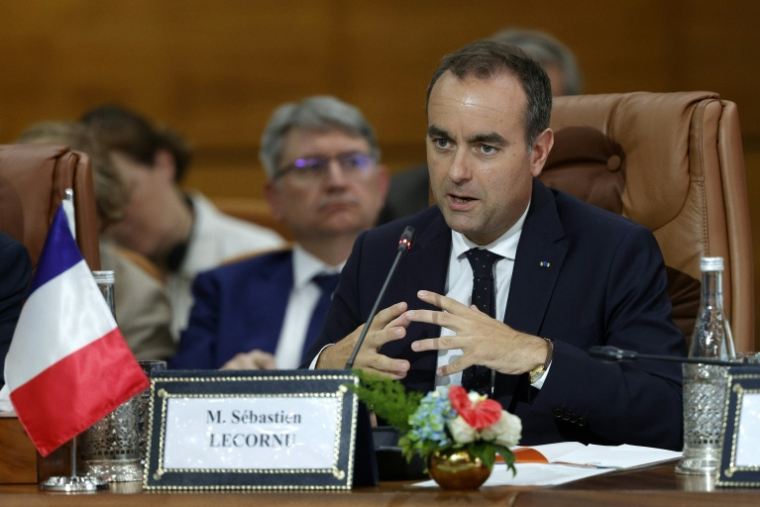
French Prime Minister Sébastien Lecornu delivers opening remarks at a plenary session with Moroccan ministers
Easing mobility and infrastructure projects
Addressing visa tensions from 2021–2022—when France halved issuances to Moroccans—Lecornu pledged to facilitate “circular migration” for entrepreneurs and students. Morocco’s Prime Minister Aziz Akhannouch framed the partnership as strategically aligned, built on “shared political will and renewed trust.”
A dozen agreements were signed, including a call for tenders on cross-border electricity interconnection and loans from the French Development Agency for water projects and Rabat’s upcoming regional express rail network (RER).
The visit underscored Morocco’s elevated role in French diplomacy in the Maghreb, with Paris pivoting away from its previous balancing act with Algiers. A royal visit to France is under discussion, though no date has been set.
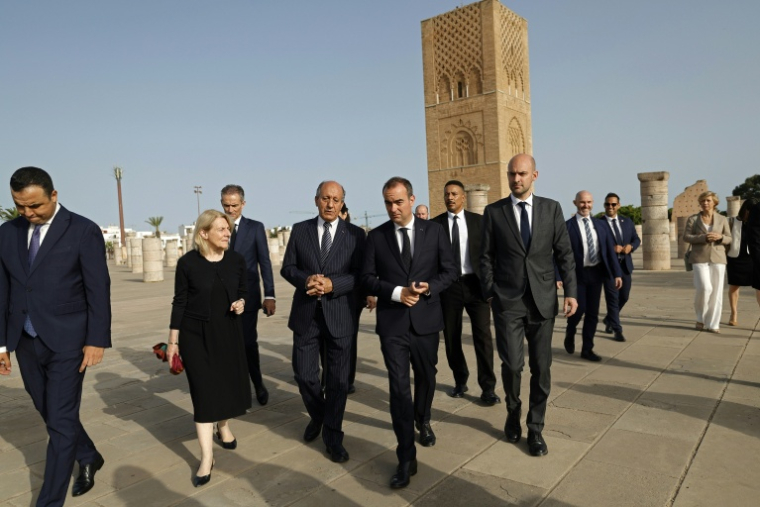
French Prime Minister Sébastien Lecornu and his delegation at the Royal Mausoleum in Rabat
On Sahel security, France now appears to prioritize cooperation with Morocco over Algeria, despite Paris’s recent efforts to revive ties with Algiers. Analysts view this shift as a pragmatic response to Algeria’s reluctance to share intelligence.

 Mariama Hamani