Mariama Hamani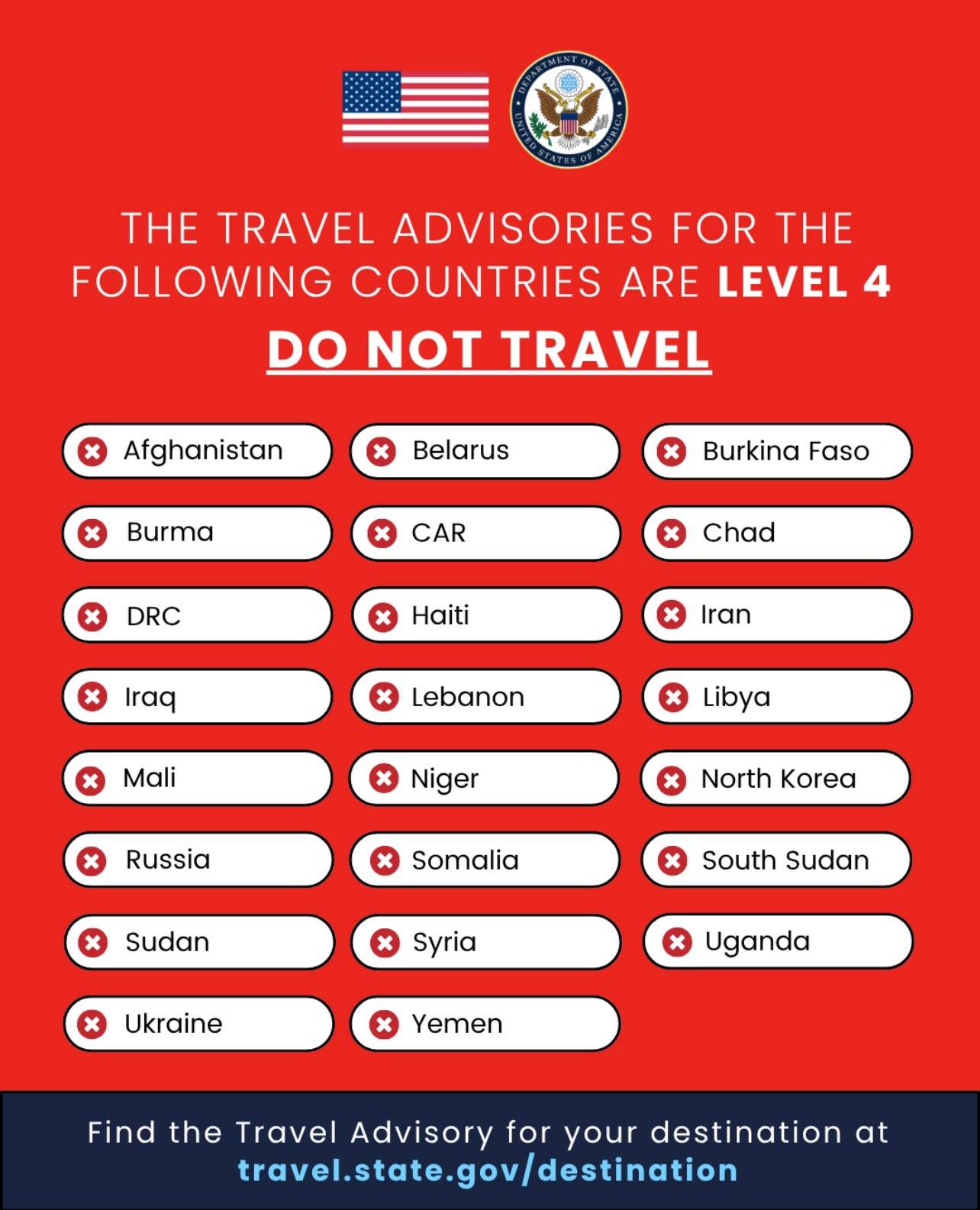
The United States Department of State has once again updated its global travel advisory, elevating 23 destinations to its most severe risk classification—Level 4, labeled «Do Not Travel.» Among the countries now facing this strictest warning are the Russian Federation, the Democratic Republic of the Congo (DRC), Chad, and notably, the three nations that form the Alliance of Sahel States (AES): Burkina Faso, Mali, and Niger. The driving force behind this decision is an unprecedented surge in security threats and the relentless expansion of terrorist networks across the Sahel region, which has become a global hotspot for instability.
level 4 alert: what it means for travelers and diplomats
Washington’s travel advisory system operates on a four-tier scale, with Level 4 representing the highest possible warning. When a country is placed—or remains—on this tier, it signals a severe and immediate danger to U.S. citizens. The State Department strongly advises against any travel to these destinations, emphasizing that consular and emergency medical assistance may be severely limited or unavailable due to the withdrawal of non-essential diplomatic personnel.
This latest update underscores a harsh geopolitical reality: vast regions worldwide are slipping beyond the control of central governments, exposing Western nationals to grave risks such as kidnapping, terrorist attacks, and hostage situations.
the Sahel alliance in crisis: Burkina Faso, Mali, and Niger under siege
The joint inclusion of Burkina Faso, Mali, and Niger in the Level 4 category comes as little surprise to regional analysts. United under the Alliance of Sahel States (AES), these nations are grappling with deep-rooted crises marked by military transitions and a strategic break from their long-standing Western allies, particularly France and the European Union.
The security vacuum in the AES region stems from a confluence of critical factors. First, state presence in remote and border areas has progressively weakened. Second, systemic poverty has made it easier for armed groups to recruit disenfranchised youth seeking purpose or income. Third, the restructuring of military alliances—marked by the departure of Western forces and the adoption of new partnerships, including with Russia—has created a transitional period where the true effectiveness of local forces remains unproven.
Burkina Faso: a nation under siege
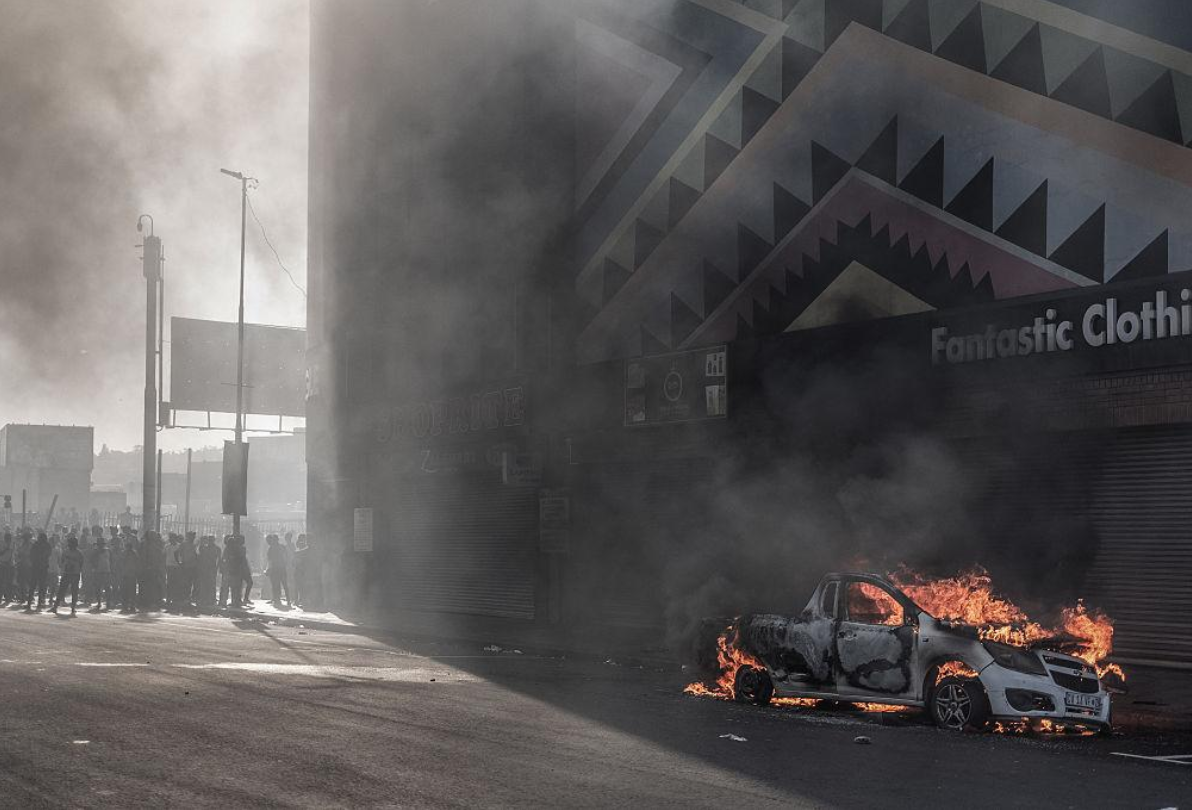
Burkina Faso bears the brunt of this asymmetrical warfare. Terrorist groups now control or encircle vast portions of the country, with dozens of towns under strict blockades, completely cut off from the rest of the nation. Attacks on supply convoys and military outposts occur almost daily, forcing massive internal displacements and leaving communities isolated and vulnerable.
Mali: instability spreads from north to south
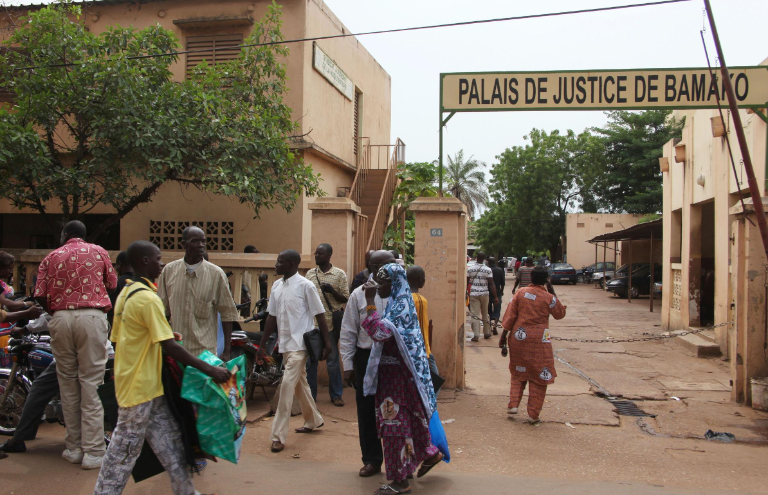
In Mali, the security landscape has deteriorated further following the withdrawal of the United Nations peacekeeping mission (MINUSMA) and the resurgence of hostilities between government forces and northern rebel factions. Terrorist groups are exploiting this power vacuum to launch increasingly frequent and violent incursions. What was once considered a relatively secure zone around the capital, Bamako, is now under growing threat as instability spreads southward.
Niger: triple-front pressure
Niger faces intense military pressure on two fronts. In the west, within the volatile «tri-border» zone shared with Mali and Burkina Faso, and in the southeast, along the Lake Chad basin, where Boko Haram and the Islamic State’s West Africa Province (ISWAP) remain active. Despite efforts to reorganize its armed forces, Niger continues to struggle with endemic insecurity, compounded by regional diplomatic tensions that hinder cross-border cooperation between neighboring states.
global instability: beyond the Sahel
The U.S. advisory does not single out the Sahel; it reflects a broader pattern of global fragmentation driven by high-intensity conflicts and political instability. Russia remains on the highest alert level due to its ongoing war in Ukraine, risks of arbitrary detention for American citizens, and inconsistent enforcement of local laws. Meanwhile, eastern Democratic Republic of the Congo remains a battleground for dozens of armed factions, including the M23 rebel group, where civilian massacres and kidnappings are frequent. Neighboring Chad, sandwiched between the Sahel and war-torn Sudan, faces spillover threats from regional crises, terrorist incursions at its borders, and persistent risks of civil unrest, keeping it firmly in Washington’s crosshairs.
economic and humanitarian fallout of the red alert
The implications of a Level 4 classification extend far beyond tourism. For the already fragile economies of the AES, the warning acts as a powerful deterrent to foreign direct investment. Multinational corporations, wary of exorbitant insurance costs for their personnel, are increasingly freezing or canceling exploration and infrastructure projects. Humanitarian organizations also face severe constraints, as stringent security protocols drastically limit access to civilians in dire need of food, medical care, and education.
is the Sahel’s security crisis unsolvable?
The U.S. State Department’s decision to maintain the AES nations at the highest travel warning level highlights the failure of decade-long stabilization efforts. Despite political regime changes and geopolitical realignments in Bamako, Ouagadougou, and Niamey, the security situation continues to deteriorate, with civilians bearing the heaviest burden. Military solutions alone have proven insufficient. Until governance, social justice, economic development, and access to basic services are addressed holistically, the Sahel’s map will likely remain painted in the starkest shades of red for Western policymakers.

 Boureima Amadou