Mariama Hamani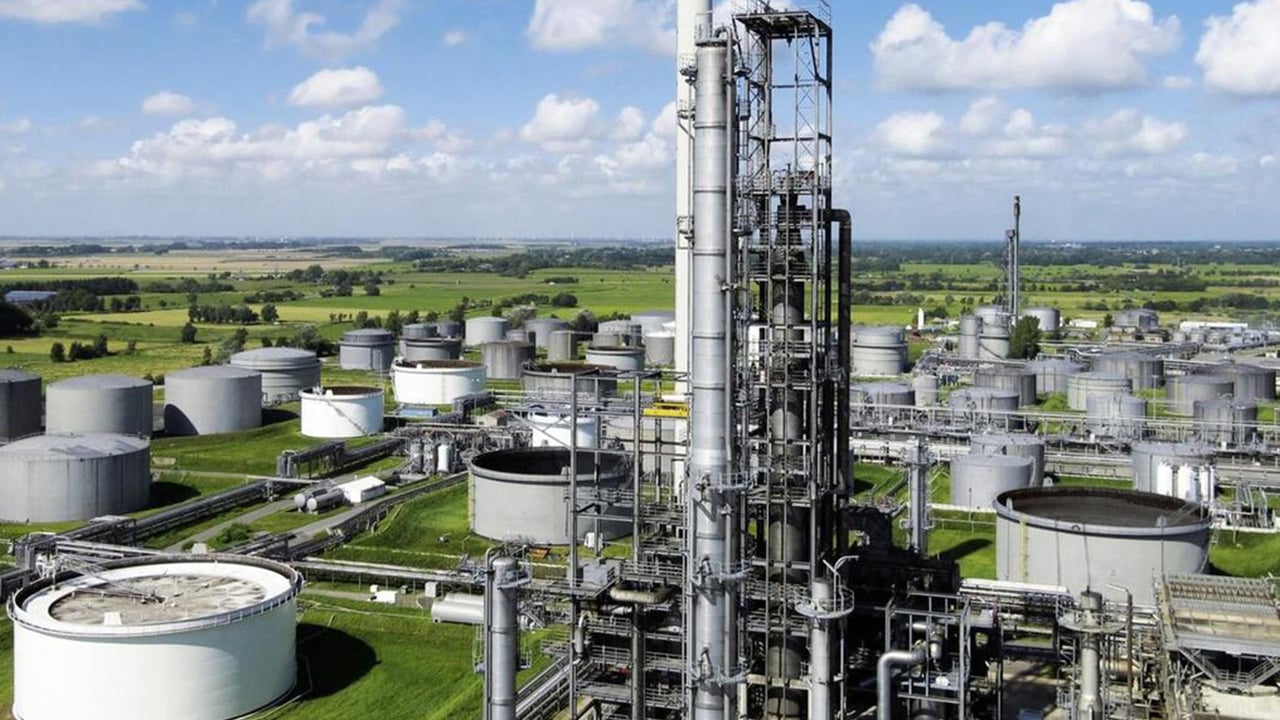
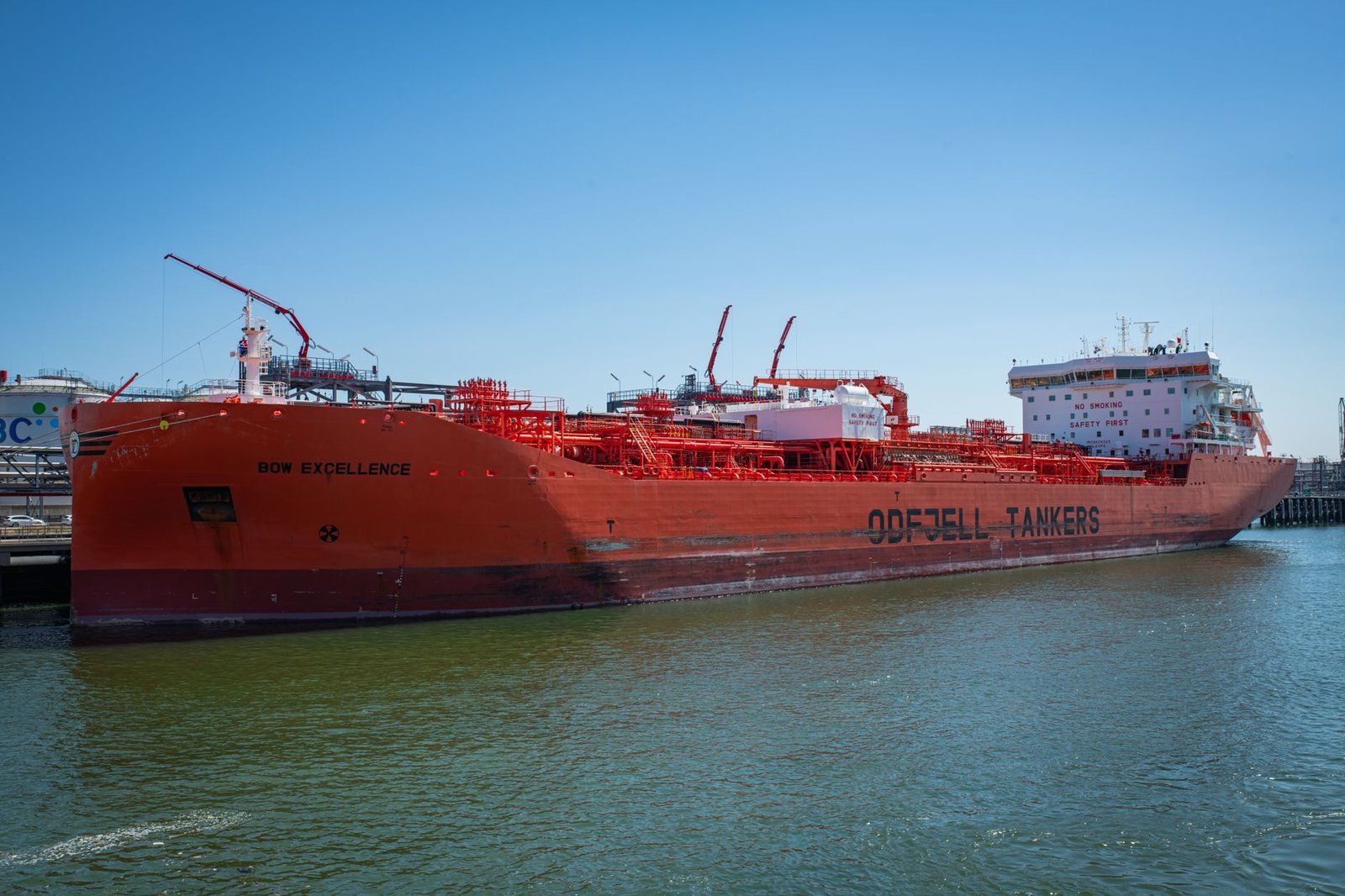
The National Refining Company of Cameroon (Sonara), headquartered in Limbé, is undergoing a strategic transformation. After years of relying on the Parras 24 model, authorities have decided to pivot toward a public partnership approach to revitalize the oil sector.
This shift reflects a broader ambition to enhance operational efficiency and align Sonara’s activities with national economic priorities. The move comes as part of a government-led initiative to modernize key industries and reduce reliance on foreign models in critical sectors.
Key reasons behind the transition
Several factors are driving this strategic realignment:
- Economic sovereignty: By prioritizing public partnerships, Cameroon aims to strengthen control over its oil refining processes and reduce external dependencies.
- Infrastructure upgrades: The new model is expected to facilitate investments in technology and infrastructure, ensuring Sonara remains competitive in a rapidly evolving energy landscape.
- Long-term sustainability: Public partnerships are viewed as a more stable and adaptable framework compared to previous agreements, ensuring continuity in operations.
- Job creation: Enhanced collaboration between the public and private sectors is anticipated to generate employment opportunities within the refining industry.
What changes for Sonara’s operations?
The transition will bring structural adjustments to Sonara’s workflow. While the Parras 24 model provided a temporary solution, the new partnership-based approach is designed for scalability. This includes:
- More direct government involvement in decision-making processes.
- Streamlined procurement and supply chain management under public oversight.
- Greater transparency in financial transactions and project execution.
Industry analysts suggest these changes could position Sonara as a model for other African refineries seeking to balance efficiency with national interests.
Implications for Cameroon’s energy sector
The decision to abandon Parras 24 in favor of public partnerships signals a long-term commitment to self-reliance in energy production. It also underscores Cameroon’s determination to play a more assertive role in the regional oil market.
For stakeholders, this transition presents both challenges and opportunities. While adapting to new governance structures may require adjustments, the potential for sustainable growth and innovation remains high. The coming months will be critical in assessing the impact of these strategic shifts on Sonara’s performance and Cameroon’s energy independence.


 Boureima Amadou