Mariama Hamani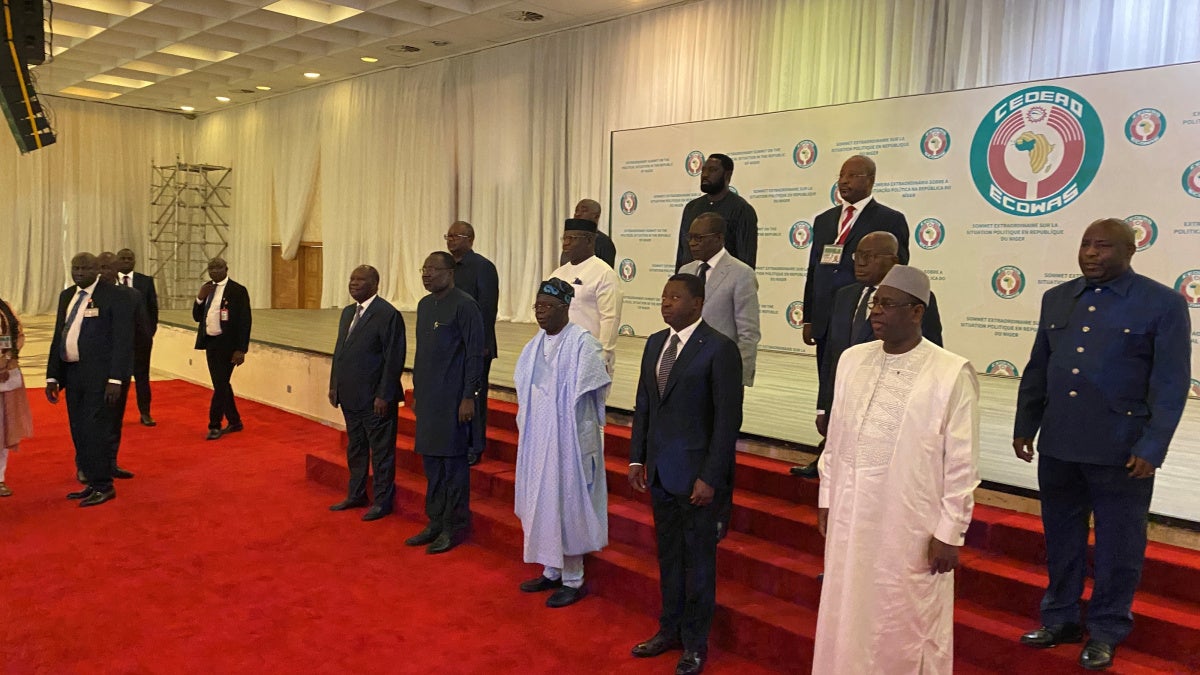
The Sahel region in Africa is facing a troubling trend: the simultaneous rise of military juntas in Burkina Faso, Mali, and Niger. While these nations share geographical proximity, their shared leadership under military rule has introduced a shared consequence—a growing disregard for justice.
military juntas and the erosion of accountability
The juntas ruling Burkina Faso, Mali, and Niger have systematically failed to address serious human rights violations. Reports indicate widespread abuses by security forces and armed groups, yet prosecutions remain rare. This pattern of impunity has only intensified under military governance, where oversight of security operations is often minimal or nonexistent.
Adding to the crisis, these three nations have formally withdrawn from the Economic Community of West African States (ECOWAS). While the move may seem political, its consequences are deeply troubling for justice and human rights. The ECOWAS Community Court of Justice, established in 2005, has long served as a vital legal recourse for citizens facing rights violations. Victims could bypass local courts and directly petition the regional court, which has issued landmark rulings on human rights cases, including those involving Burkina Faso, Mali, and Niger.
why withdrawal from ECOWAS matters
By leaving ECOWAS, these military-led governments have effectively shielded themselves from accountability. The ECOWAS Community Court of Justice no longer has jurisdiction over their actions, cutting off a critical avenue for victims seeking justice. Local legal systems in these countries are already compromised, with military authorities rarely investigating or prosecuting rights abuses. Now, victims face even fewer options to hold perpetrators accountable.
This withdrawal sends a clear message: justice is not a priority. A Malian political activist in exile in France recently highlighted this concern, stating that the juntas have consistently failed to hold those responsible for grave human rights violations to account. The decision to leave ECOWAS only reinforces their disregard for human rights and the rule of law.
the human cost of declining justice
The impact of this withdrawal extends far beyond legal technicalities. For victims of abuse and their families, the closure of the ECOWAS Community Court of Justice represents a devastating loss. Without access to regional justice mechanisms, the path to accountability grows even more difficult. The juntas’ actions not only perpetuate cycles of violence but also deepen the suffering of those already affected by conflict and repression.
As Burkina Faso, Mali, and Niger forge ahead with their new alliance, the future of justice in the Sahel looks increasingly uncertain. The withdrawal from ECOWAS signals a broader retreat from democratic principles and human rights protections, leaving victims with little hope for recourse in the face of ongoing atrocities.

 Boureima Amadou