Mariama Hamani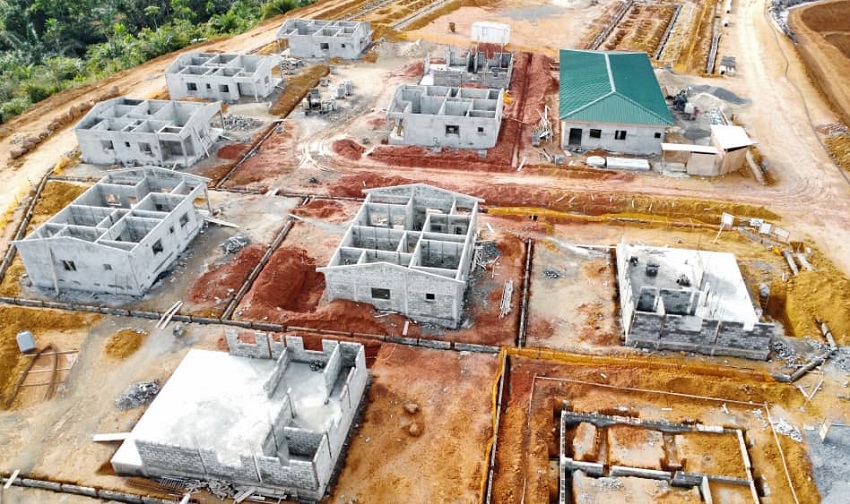
equitable development drives Gabon’s transformation
Libreville — For generations, Gabon’s development has been defined by sharp contrasts. Blessed with abundant natural wealth, a small population, and robust financial means, the country has paradoxically allowed glaring disparities to widen between its bustling urban hubs and vast, underserved regions.
In remote provinces, access to essential services—reliable healthcare, quality education, economic opportunities, and basic infrastructure—has lagged far behind national aspirations. President Brice Clotaire Oligui Nguema has now made closing this territorial divide the centerpiece of his administration’s agenda.
a bold pledge to end geographic inequality
In a historic address to a joint session of Parliament, the President delivered a sweeping commitment: “No community will be left behind.” This declaration signals more than infrastructure ambitions—it reflects a sweeping vision to ensure geography no longer dictates destiny, where every region contributes to national prosperity and the state regains its presence across the entire territory.
addressing a deep-rooted imbalance
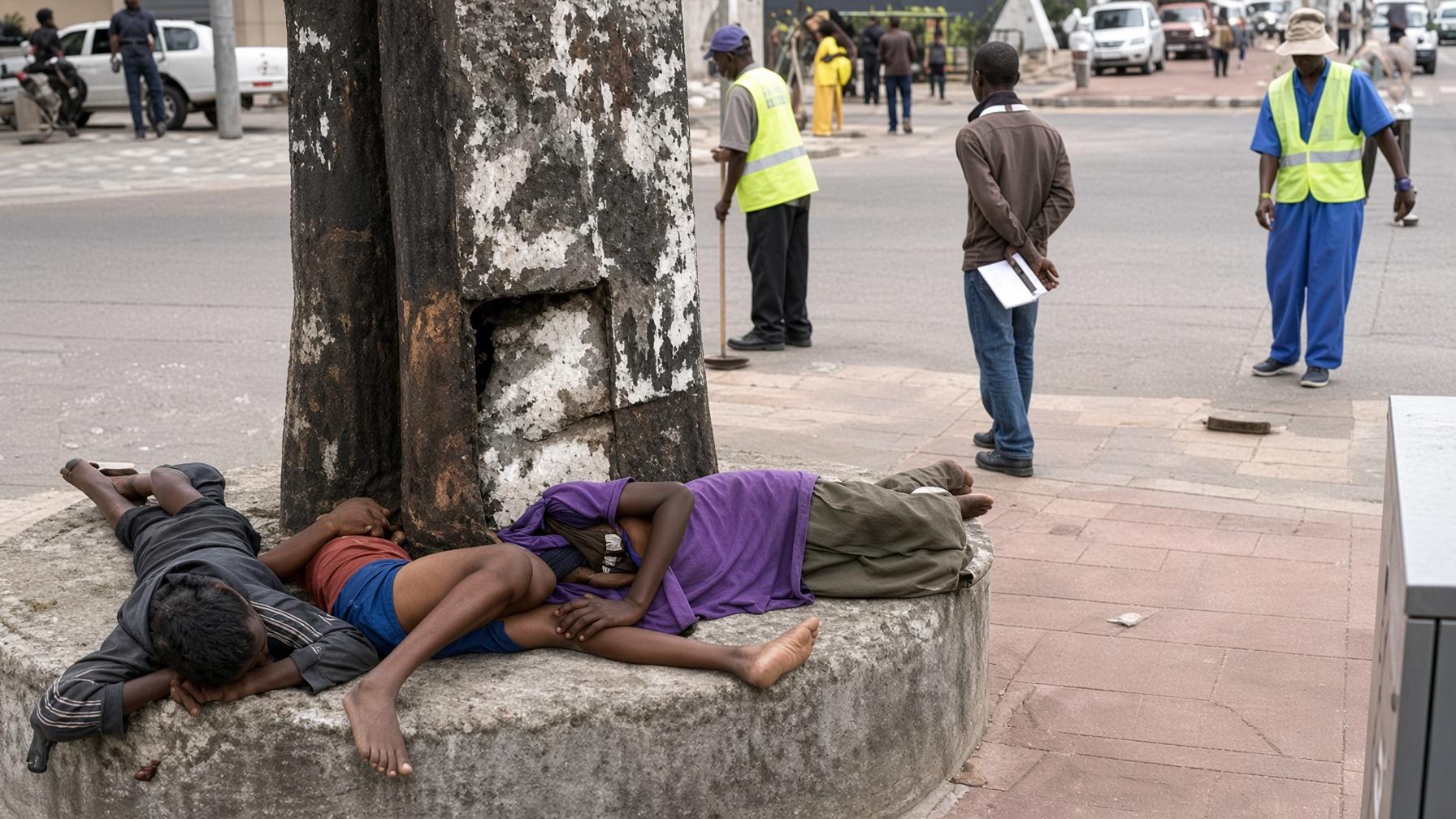
Decades of public investment have disproportionately favored Libreville and Port-Gentil, leaving hinterland regions economically stagnant. This urban-centric strategy fueled rural exodus, deepened regional imbalances, and fostered widespread perceptions of neglect among inland populations.
The consequences extend beyond citizen welfare. In provinces lacking functional roads, hospitals, schools, or administrative centers, economic potential remains locked. Development economists consistently identify territorial inequality as a major obstacle to sustainable growth in Africa. Without accessible infrastructure, attracting investment, leveraging local resources, and creating lasting jobs becomes nearly impossible.
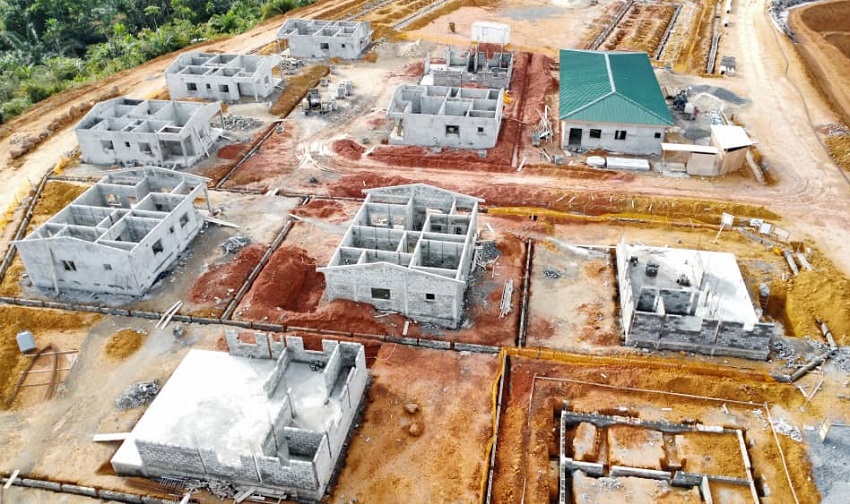
The current administration is tackling this head-on. Major projects in Cocobeach, Makokou, Oyem, Bifoun, and underserved neighborhoods of Libreville exemplify an unprecedented push for balanced territorial development.
building local economies from the ground up
The impact of this policy transcends brick-and-mortar achievements. At its core lies a powerful economic belief: national growth cannot rely solely on a handful of decision-making centers.
Every new road, hospital, school, or housing project is designed as a catalyst for local activity. A paved road unlocks markets for farmers. A functioning health center boosts local investment appeal. A university retains skilled talent. Affordable housing revives the construction sector. Each initiative sparks a ripple effect capable of transforming communities for generations.
This strategy aligns with global best practices. Nations like Morocco, Rwanda, and Senegal have shown how targeted territorial development can accelerate growth while easing social tensions.
For Gabon, this could mean the rise of new regional economic poles, reducing dependence on Libreville and Port-Gentil and fostering a more inclusive prosperity.
restoring trust between citizens and the state
Beyond economics, this policy carries profound political significance. It seeks to restore trust between the state and its people.
Presidential field visits and project monitoring missions have shifted focus to grassroots concerns, moving governance closer to the realities of daily life. Yet the true test lies ahead. Citizens will judge this vision not by promises, but by tangible outcomes: roads completed on schedule, hospitals fully operational, schools fully functional, reliable access to water and electricity. It is on this concrete ground that the credibility of the presidential pledge will be measured.
The words “no community will be left behind” represent far more than an investment program—they embody a vision of the Republic itself. A vision that rejects the idea that some regions should be excluded from national progress.
If realized, this transformation could redefine Gabon. The strongest nations aren’t those that develop only a few cities—they are those that empower every territory to shape its own future. President Oligui Nguema’s greatest gamble may well be turning territorial equity into a driver of national unity and shared prosperity.

 Boureima Amadou