Mariama Hamani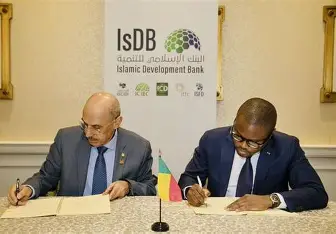
The Republic of Benin has taken a decisive step toward enhancing its food sovereignty through a strategic partnership with the Islamic Development Bank (IsDB). A substantial funding package of 12.57 billion West African CFA francs has been approved to modernize the nation’s agricultural sector, with a primary focus on restoring soil fertility—a critical challenge exacerbated by the growing impact of climate variability.
Diversifying financial alliances to strengthen resilience
This latest initiative reflects a deliberate shift in Benin’s financial strategy, emphasizing the diversification of funding sources. By engaging with the IsDB, Cotonou is reducing its long-standing reliance on traditional multilateral institutions and Western bond markets, where borrowing costs have recently surged to prohibitive levels. The Islamic financing model, grounded in risk-sharing and asset-backed structures, presents a viable solution for long-term infrastructure projects, particularly those addressing agricultural productivity and climate adaptation.
Economic rationale behind the investment
From an economic standpoint, this investment transcends environmental considerations; it is a strategic necessity. Strengthening soil health and crop resilience is no longer optional but essential to safeguarding the country’s gross domestic product (GDP). By mitigating the risks posed by droughts and floods, Benin aims to minimize emergency food imports, thereby conserving foreign exchange reserves and reinforcing its trade balance. Ultimately, this initiative is a proactive measure to secure the nation’s economic autonomy and long-term food security.


 theafricantribune
 Boureima Amadou