Mariama Hamani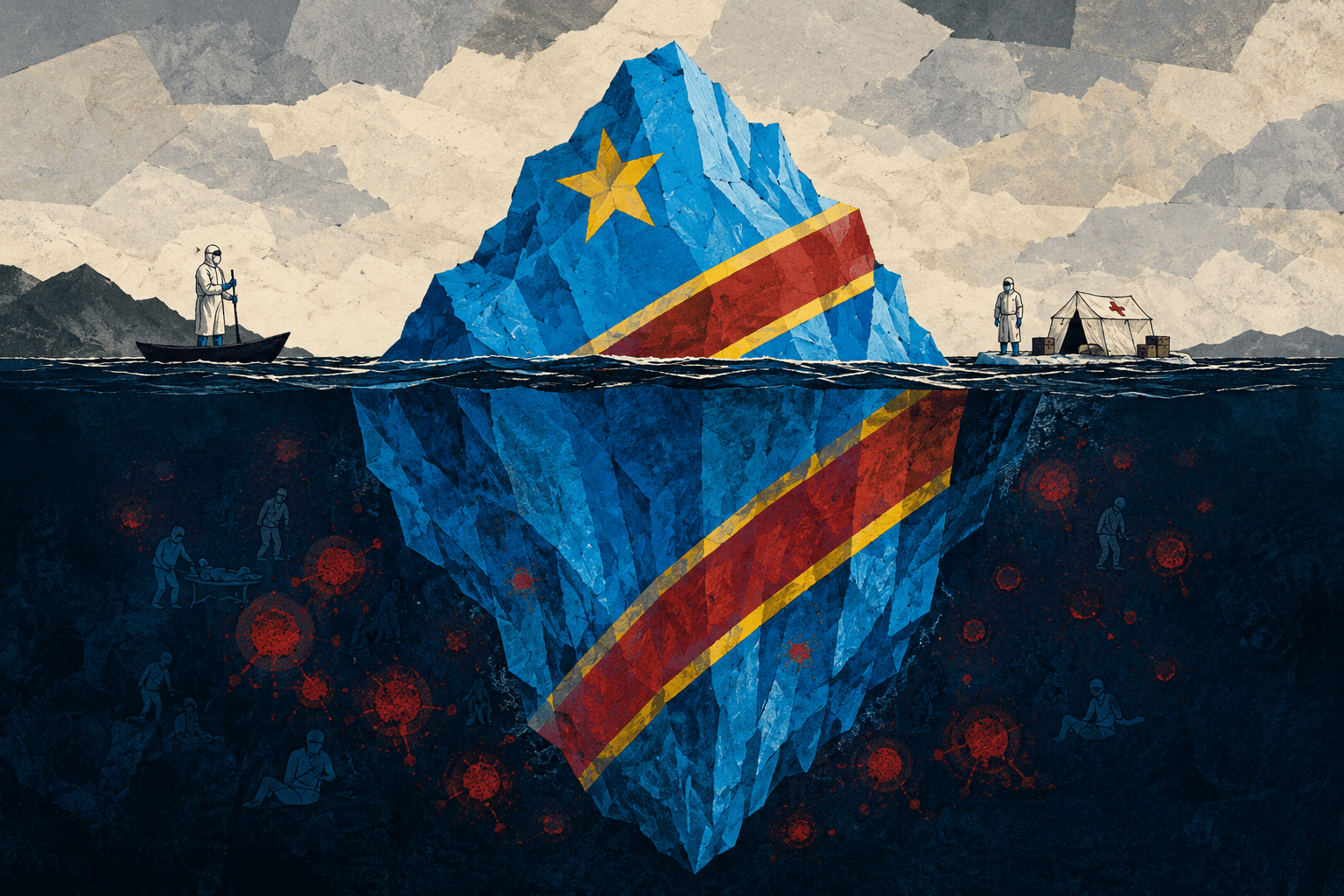
The Democratic Republic of Congo’s National Institute of Public Health has confirmed 1,003 Ebola cases, including 254 fatalities, translating to a mortality rate of 25.3%.
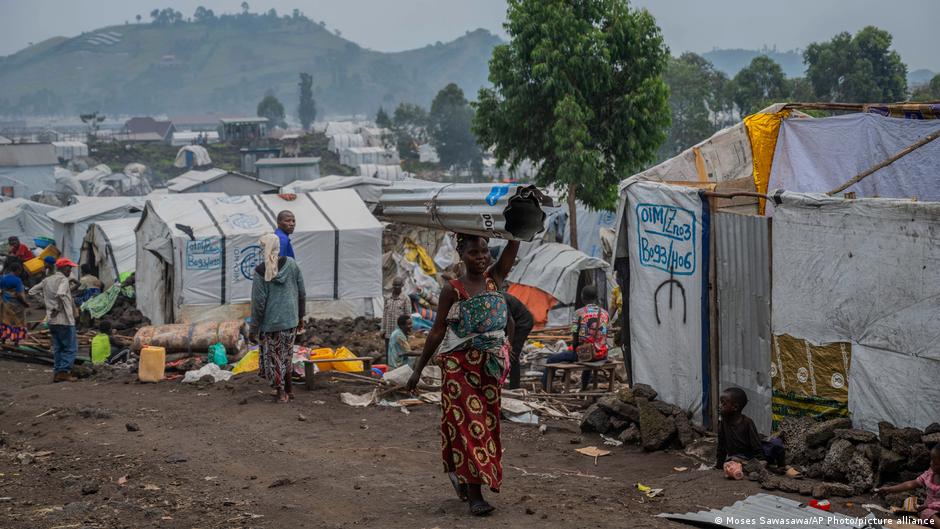
Nearly all reported cases—91.3%—and 80.7% of deaths are concentrated in Ituri, a remote northeastern province plagued by persistent clashes between armed factions. The low initial testing capacity in the DRC has since improved, which partly accounts for the surge in detected cases.
However, international humanitarian organizations and field-based NGOs unanimously agree that the official figures remain underestimated.
Three provinces are currently affected: Ituri, neighboring North Kivu, and South Kivu, together home to an estimated 15 million people. The outbreak has also crossed into neighboring Uganda, where 20 confirmed cases and two deaths have been recorded.
Challenges in containing the outbreak
In Ituri, the public health response—centered on isolating patients and tracing contacts—has intensified but continues to face significant hurdles. There is currently no approved vaccine or treatment for the Bundibugyo Ebola virus strain driving this outbreak. Available vaccines only protect against the Zaire strain, responsible for the most devastating Ebola outbreaks to date.
Local hospitals were quickly overwhelmed at the start of the outbreak. Treatment centers established with support from the World Health Organization and several NGOs are now operating at over 80% capacity, according to the National Institute of Public Health.
Healthcare facilities, operating with limited resources in one of the world’s poorest nations, still lack essential protective gear and chlorine more than a month after the epidemic was declared. So far, 78 healthcare workers have been infected, and 18 have died, the Institute reports.
Health workers and aid teams are also grappling with deep-seated mistrust within local communities. Resistance to post-mortem testing has led to underreporting of cases. Recent weeks have seen several incidents in hospitals, including angry confrontations by families demanding the release of relatives’ bodies after Ebola-related deaths.
Epidemiologists and aid workers warn that the outbreak has not yet peaked and could persist for six months to a year.


 Boureima Amadou