Boureima Amadou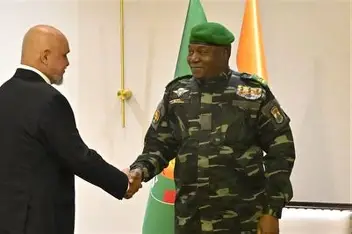
Three years after the military junta in Niger forged a strategic partnership with Russia in July 2023, the country continues to grapple with an escalating jihadist insurgency. Despite the stated objective of restoring security, coordinated attacks against military outposts have intensified, resulting in staggering losses among the national armed forces.
In one of the deadliest episodes in recent memory, coordinated assaults on multiple military positions resulted in the deaths of at least 265 Nigerien soldiers within a span of three days. This surge in violence underscores the persistent challenge posed by armed groups operating across the Sahel region.
The shift in foreign alliances, marked by the arrival of Russian military instructors and the gradual withdrawal of Western partners, has yet to yield a sustainable improvement in security conditions. On the contrary, independent assessments indicate that the frequency and intensity of attacks have increased since 2023.
Data from the Armed Conflict Location & Event Data Project (ACLED) reveals that Niger recorded approximately 225 violent incidents in 2023, mirroring the previous year’s figures but with a notable rise in fatalities. Civilian casualties surged by 27% during this period, highlighting the human cost of the ongoing conflict.
The situation has deteriorated further in subsequent years. According to ACAPS, civilian fatalities reached an unprecedented high in 2025, with over 700 deaths reported—a more than twofold increase compared to 2023. This alarming trend reflects the unrelenting pressure exerted by insurgent factions linked to the Islamic State and the Group for Support of Islam and Muslims (JNIM).
The Tillabéri, Tahoua, and border regions adjacent to Mali and Burkina Faso remain the epicenters of the insurgency, where armed groups continue to exploit security vacuums. Major incidents include the killing of over 60 soldiers in Tabatol in October 2023, the ambush that claimed 23 lives in Tillabéri in March 2024, and a relentless wave of attacks on military convoys, villages, and defensive positions.
These developments have sparked widespread debate regarding the effectiveness of Niger’s revised security strategy. Three years after pivoting toward Moscow, the jihadist threat persists, straining the operational capacity of the national defense forces and raising critical questions about the future trajectory of the conflict.

 theafricantribune