
 Boureima Amadou
DR Congo’s ADF violence reaches new peak in northeast with 44 civilian deaths
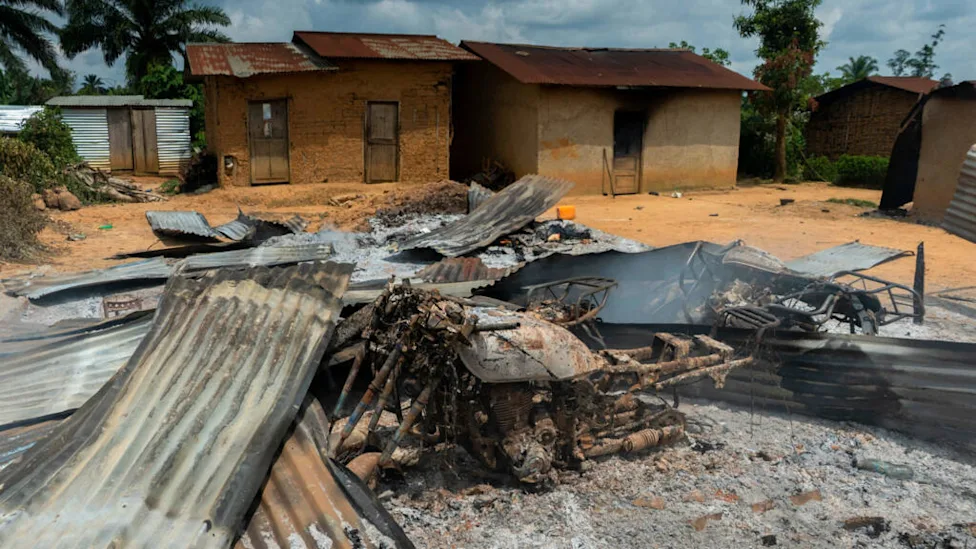
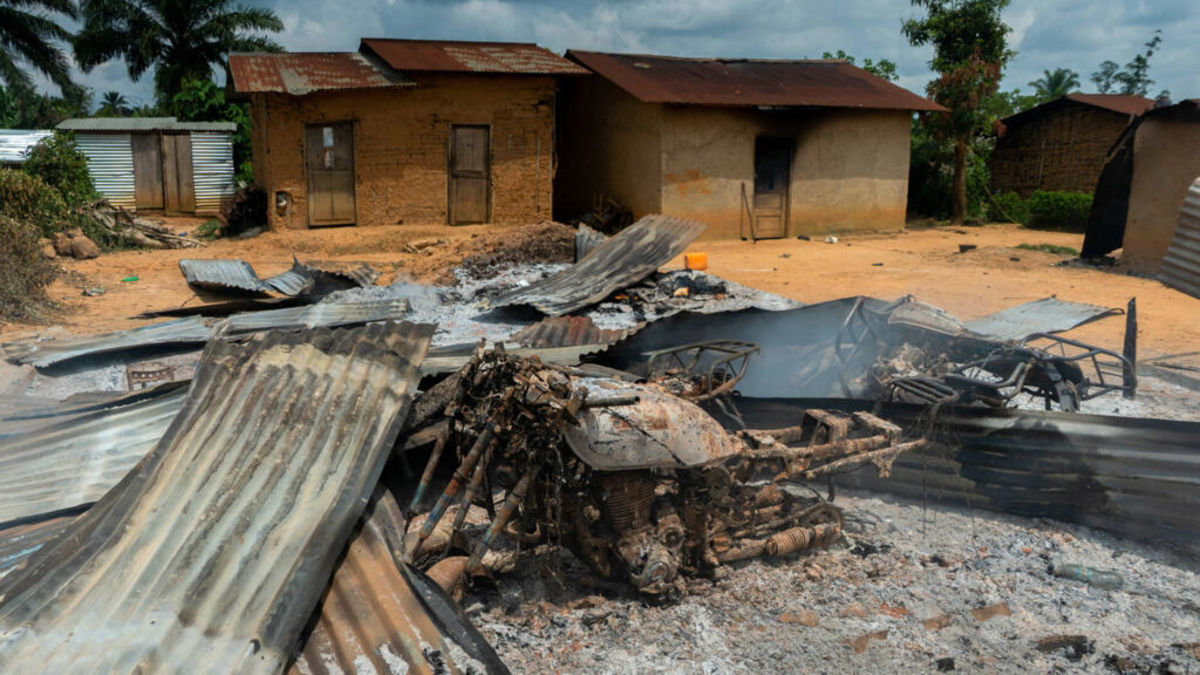
The Democratic Republic of Congo is witnessing a dangerous escalation as Allied Democratic Forces (ADF) militants unleash unprecedented violence across the northeastern territories. In simultaneous attacks on November 12, multiple villages were targeted in the Bangole cluster and Babila Babombi chiefdom, leaving at least 44 civilians dead and more victims feared trapped in inaccessible areas.
Local civil society leaders report that six settlements in Bangole saw coordinated raids that resulted in 14 fatalities. This grim tally comes on top of another 30 victims from raids in neighboring villages within Babila Babombi chiefdom. With armed militants still reportedly roaming the area, officials warn that the death toll may climb higher as remote communities remain cut off from emergency responders.
Pattern of Escalation: Why These Attacks Signal a Turning Point
The surge in ADF violence marks a dramatic shift in the group’s operational focus. Historically concentrated in Mambasa territory—where extensive cocoa plantations create economic opportunities—the militants have expanded their reign of terror into Haut-Uele province, a region devoid of commercial agriculture.
Civil rights activists emphasize that the attacks defy conventional explanations tied to resource exploitation. “The pattern shows a clear strategy shift,” noted one field observer who requested anonymity. “While cocoa fields in Mambasa may offer temporary financial gains, the simultaneous incursions into non-cocoa zones like Haut-Uele suggest a broader campaign to destabilize the entire region.”
Impact on the Ground: Trauma and Fleeing Populations
Survivors describe harrowing scenes of indiscriminate violence, with entire families targeted in their homes. The psychological toll on local populations is severe, with many choosing to abandon their livelihoods and flee to safer areas.
- Displacement crisis: Hundreds have been forced to abandon farms and cocoa plantations, threatening the region’s agricultural output.
- Economic disruption: Local markets have ground to a halt as fear grips traders and transporters.
- Humanitarian access: Aid organizations struggle to deliver supplies due to ongoing security threats, leaving trapped civilians without food or medical help.
As the violence intensifies, regional security analysts warn that without decisive intervention, these coordinated attacks could become the new normal, further entrenching instability in an already fragile region.
What’s Driving This Surge in ADF Violence?
Conflict analysts cite multiple factors behind the ADF’s renewed aggression:
- Tactical expansion: The group appears to be diversifying its targets to overwhelm security forces.
- Resource control: While cocoa might have played a role initially, the strategic value of controlling trade routes in multiple provinces appears increasingly significant.
- Regional geopolitics: Shifting alliances among armed groups and porous borders complicate efforts to contain the spread of violence.
“This isn’t random violence,” stressed a regional security expert. “The ADF is deliberately expanding its footprint, exploiting gaps in monitoring and weak governance structures.”
Looking Ahead: Can the Violence Be Halted?
With civilian casualties mounting and no immediate end in sight, local leaders are calling for urgent international support. Enhanced security cooperation, targeted disarmament initiatives, and sustained humanitarian aid are cited as critical steps to reverse the current trajectory.
The coming weeks will reveal whether this violence represents a temporary surge or a permanent shift in the DR Congo’s security landscape. One thing is certain: the longer the inaction persists, the deeper the impact will be on generations to come.



 Mariama Hamani





