
 Mariama Hamani
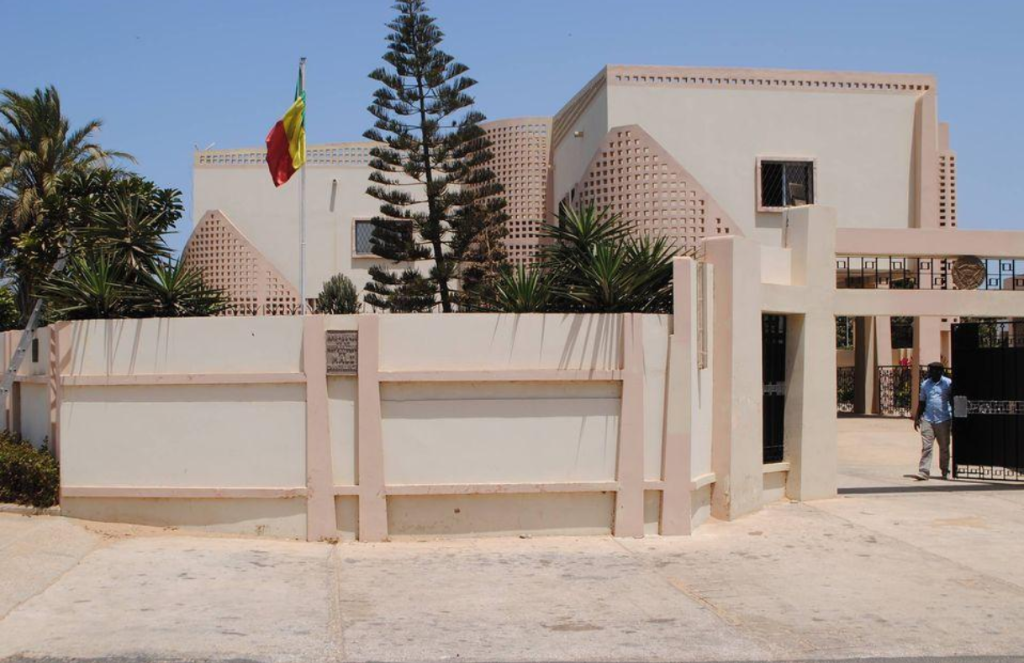
The long-standing land dispute between Mali’s embassy in Dakar and local developer Immoland SARL has reached a decisive turning point. The Senegalese judiciary has issued a landmark ruling ordering the evacuation of the embassy from a 1,157 m² plot in the upscale Fann Résidence neighborhood, citing the absence of legal title for the diplomatic presence.
Judicial decision shifts momentum in Fann land dispute
The court’s ruling marks a significant shift in the case, which has simmered for months between the Malian diplomatic mission and Immoland SARL, the entity claiming legal ownership of the disputed parcel. Backed by property deed no. 9.255, the company argued that the embassy’s occupation lacked any valid legal basis, prompting its legal challenge to reclaim the land.
The presiding judge reportedly determined that the Malian embassy’s presence on the site constituted an unauthorized occupation, stripping it of any diplomatic immunity that might otherwise apply to its mission premises. This judicial assessment paves the way for the enforcement of the eviction order, though the practical steps for implementation remain pending.
Expulsion scope: embassy, assets, and occupants included
The court’s decision extends beyond the diplomatic mission itself. Should the ruling be executed, all assets belonging to the embassy and any individuals occupying the premises under its authority would be subject to removal. This broad interpretation reflects the judiciary’s stance that the entire occupation of the parcel must be vacated without exception.
However, the distinction between a judicial order and its enforcement remains critical. At present, there is no confirmed evidence that the embassy has vacated the premises or that the eviction process has commenced. The timeline for execution—and the potential objections raised by Malian authorities—will shape the next phase of this dispute.
Diplomatic immunity vs. property rights: a legal tightrope
This case introduces a complex interplay between international diplomatic law and national property regulations. While the Vienna Convention on Diplomatic Relations (1961) grants embassies inviolability and immunity, these protections do not extend to ownership rights or disputes over the land they occupy. The court’s ruling suggests that Mali’s embassy, like any other occupant, must adhere to Senegal’s property laws unless a valid exception applies.
The potential diplomatic fallout of this decision cannot be understated. Should the embassy contest the ruling or if enforcement leads to heightened tensions, the case could strain bilateral relations. Questions linger over whether Malian authorities will file an appeal, negotiate an alternative resolution, or accept the court’s determination as final.
Unanswered questions cloud the path forward
- Has Mali’s embassy initiated legal proceedings to challenge the eviction order?
- What mechanisms does Senegalese law provide for enforcing such rulings against diplomatic missions?
- Will either government intervene diplomatically to alter the court’s decision?
- What timeline does the judiciary envision for the execution of the expulsion?
These unresolved issues underscore the high stakes of the case, which has evolved from a localized property dispute into a matter of international legal and diplomatic significance.
Why this land dispute matters beyond Dakar’s Fann district
Beyond its immediate impact on the Malian embassy and Immoland SARL, this case highlights broader challenges in Senegal’s urban property landscape. Fann Résidence, a prime residential area, has become a flashpoint for land conflicts fueled by speculative real estate pressures and overlapping claims to ownership.
The ruling sets a precedent that could influence future disputes involving diplomatic missions, private developers, and local landowners. For investors and legal practitioners alike, the outcome of this case may serve as a bellwether for how Senegalese courts balance property rights against diplomatic immunities in an era of rapid urbanization.
As Dakar continues to expand, the resolution of this dispute will be watched closely—not only by the governments of Mali and Senegal, but by legal experts, real estate stakeholders, and diplomatic observers across West Africa.



 Boureima Amadou





