Boureima Amadou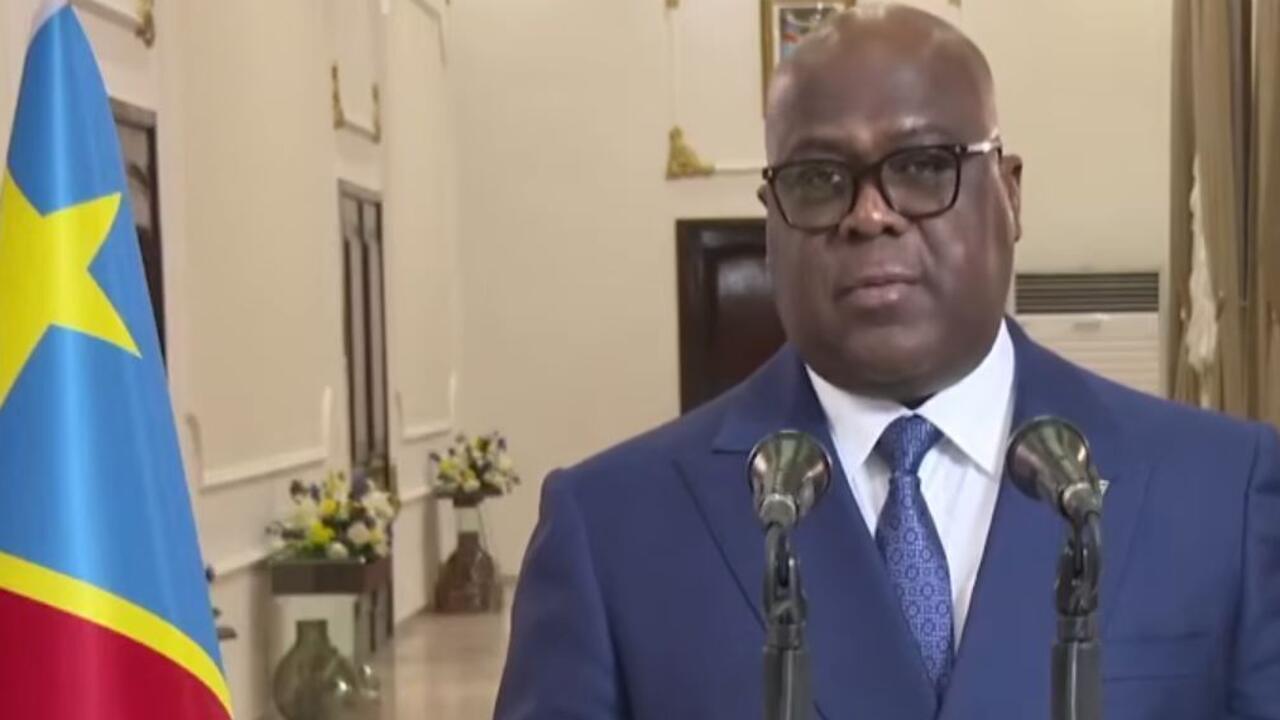
President Félix Tshisekedi has recently unveiled the comprehensive framework for a long-anticipated national dialogue, a process vigorously advocated by the opposition for several months. This initiative aims to foster lasting peace and undertake profound state reforms across the Democratic Republic of Congo.
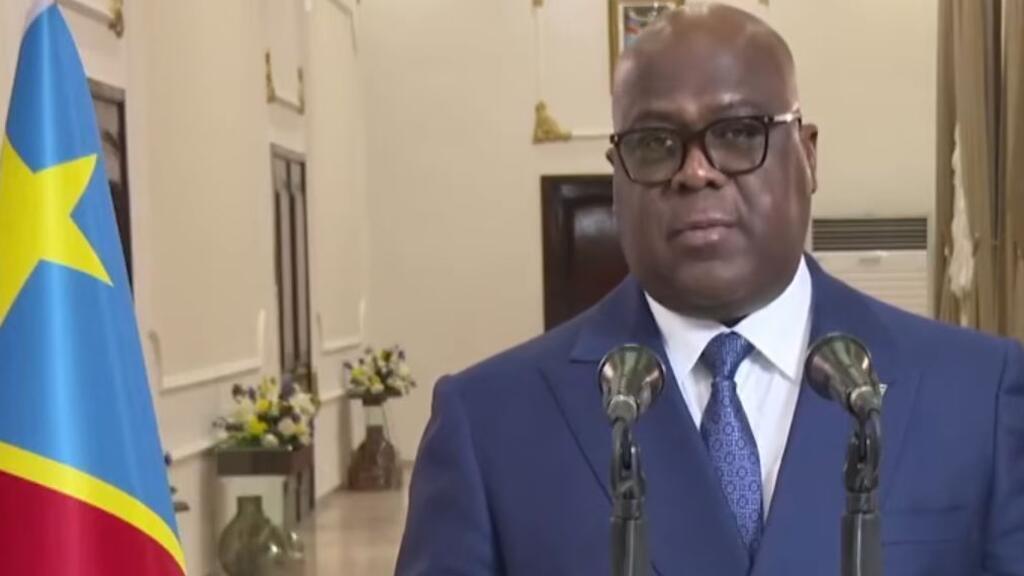
What to expect from this new inclusive national dialogue in the DRC?
The proposed dialogue is structured to commence in all 26 provinces of the DRC before converging on Kinshasa, the capital. The entire process is projected to last a maximum of three months. Participation is intended to be broad and inclusive, extending invitations to the ruling majority, various opposition factions, civil society organizations, religious confessions, and diverse segments of the population.
However, a critical aspect of this plan is the explicit exclusion of armed groups currently engaged in conflict within the eastern regions of the Democratic Republic of Congo. This decision raises significant questions regarding the ultimate efficacy of the dialogue.
Observers are keenly watching to see if this new national dialogue can truly achieve its stated objectives of peace and reform, especially given the non-participation of key actors involved in the ongoing hostilities in the eastern DRC. A central challenge will be demonstrating how this latest initiative can succeed where previous dialogues and consultations have fallen short, thereby charting a new course for African governance and stability in the troubled region.


 Mariama Hamani