Mariama Hamani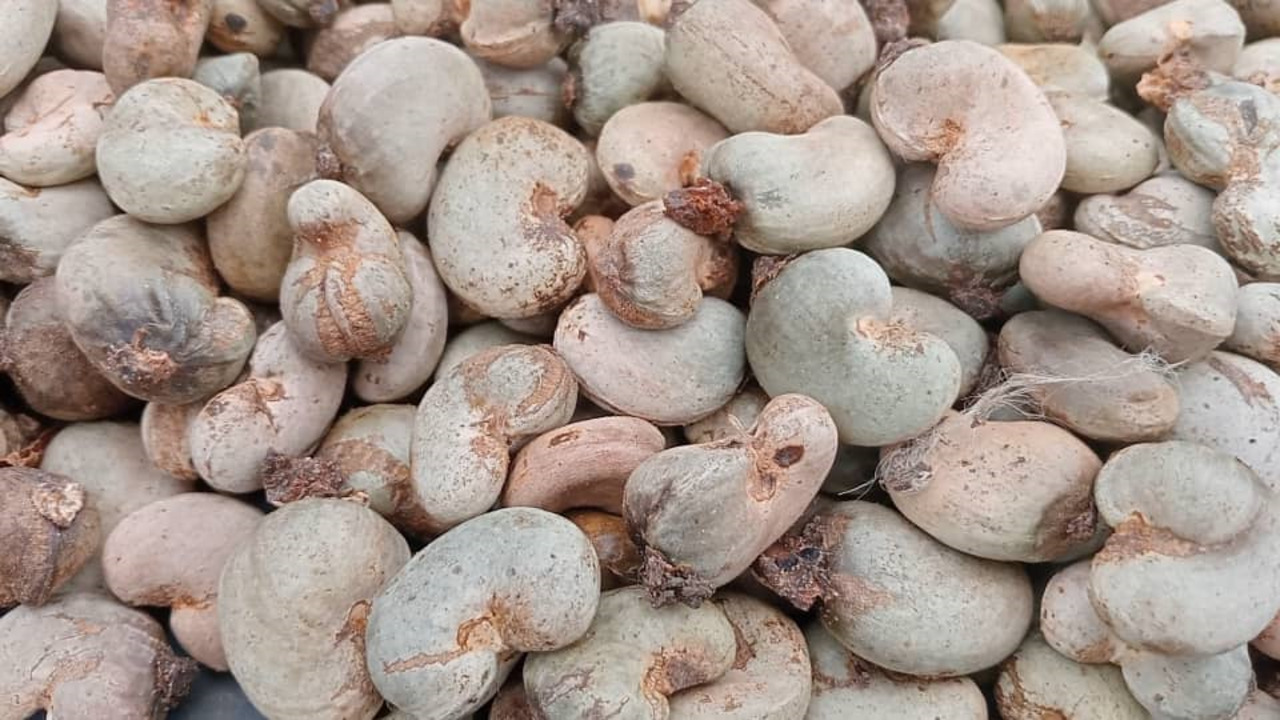
Côte d’Ivoire’s anacarde harvest faces severe decline in bounkani
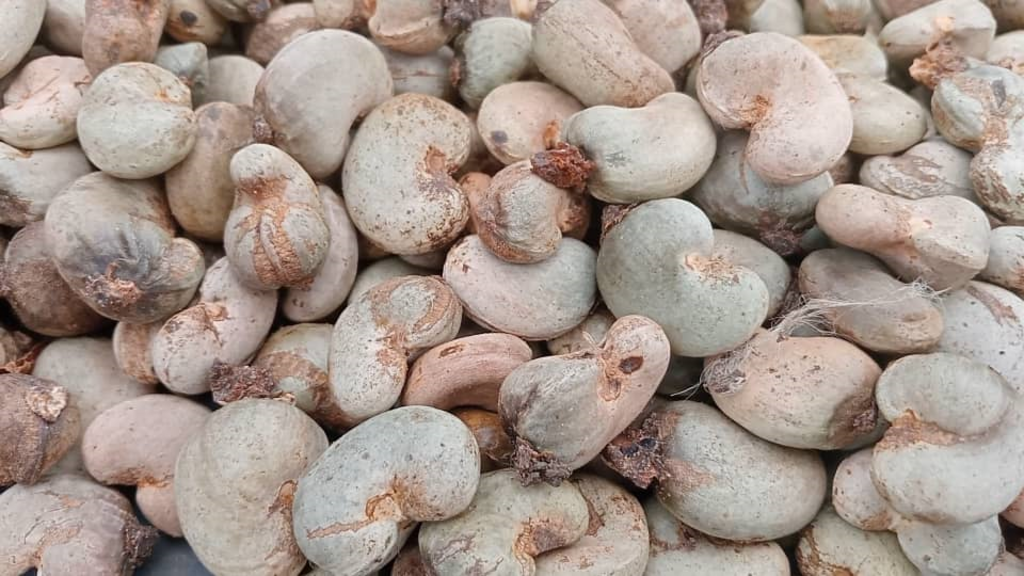
Côte d’Ivoire’s anacarde harvest season is underway, with the Cotton and Anacarde Council projecting just over 1.3 million tonnes this year—a notable decline of 200,000 tonnes compared to last season. While national production remains robust, certain regions, particularly Bounkani in the northeast, are experiencing significant challenges due to erratic rainfall patterns.
From Bouna, our correspondent reports
Kouamé Ouattara, a farmer in Bounkani, finds himself in a precarious situation this season. His 3-hectare cashew orchard, which once yielded 500 kg per hectare, now produces barely two sacks in total. He attributes the decline to disrupted rainfall patterns: « Normally, heavy rains between November and December help the cashew trees bloom. But this year, the rains stopped in October, and we had no precipitation from October through February. Once flowering fails, you have to wait another year—and that’s exactly what happened this season. »
The impact extends beyond farmers. Local beekeepers, who maintain hives within cashew plantations, are also suffering. Koffi Ouattara, president of the Koflangué Beekeepers Association, notes a drastic reduction in honey production: « Last year, we harvested 100 liters of honey. This year, we’re down to just 30 liters—a significant loss for our community. »
addressing poor agricultural practices
While climate factors play a major role, experts point to suboptimal farming practices as another key contributor. Dr. Sibirina Soro, a researcher at the University of Daloa and coordinator of the National Cashew Research Project, highlights overcrowded orchards as a primary issue: « Many plantations resemble dense forests due to improper initial spacing. The recommended density is 100 trees per hectare, but many farms exceed this, leading to competition for resources and reduced yields. »
Soro also emphasizes the need for better pest management support. Since Ivorian cashew farmers generally avoid chemical treatments, their crops are more vulnerable to pest-related losses during poor harvest years. He conducts regular training sessions to help farmers adopt sustainable alternatives.


 Boureima Amadou