Mariama Hamani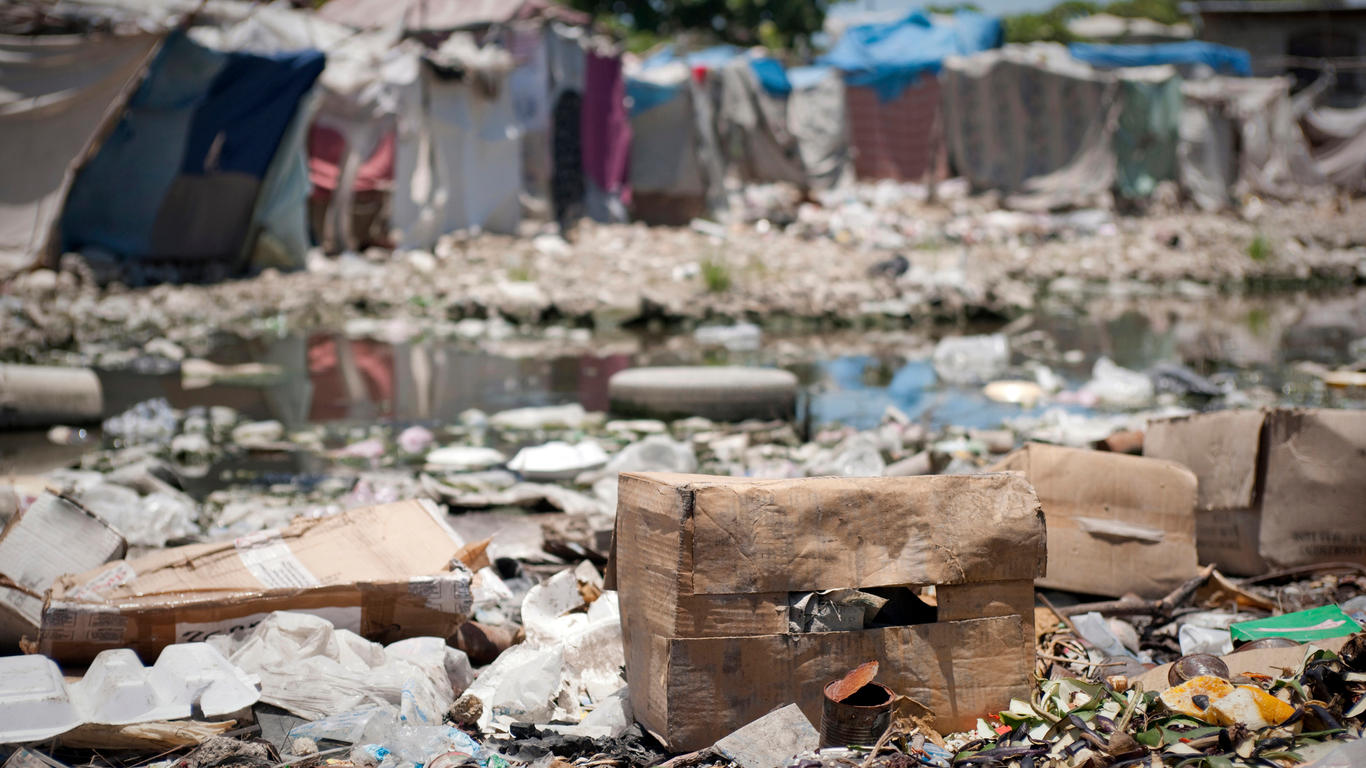
Niger faces a growing cholera crisis in Maradi and Zinder regions
Over 600 cholera cases have been recorded in recent weeks across Niger’s Maradi and Zinder regions, prompting urgent responses from health authorities.
Heavy seasonal rains along the Niger-Nigeria border have triggered a new cholera outbreak, with authorities reporting 600+ confirmed cases to date. Of these, 400 patients have recovered, while 156 remain under treatment. Tragically, the outbreak has already claimed 19 lives, according to official statements.
The intestinal infection spreads rapidly through contaminated water and food, particularly in areas lacking proper sanitation. Poor hygiene practices, inadequate latrine facilities, and ineffective wastewater systems further exacerbate the situation. Health officials emphasize that prevention through hygiene education is critical to controlling the outbreak.
Why Niger is vulnerable to cholera recurrence
Cholera has reappeared sporadically in Niger since the 2018 epidemic. While the country had developed some immunity, recurring cases indicate declining resistance among the population. This year, heightened vulnerability has been observed, particularly in flood-prone areas where stagnant water provides an ideal breeding ground for the Vibrio cholerae bacteria.
Health authorities respond with immediate measures
To mitigate the crisis, health centers have been established in the most affected regions. Medical teams are actively treating patients free of charge and conducting awareness campaigns to inform communities about preventive measures. However, experts warn that long-term solutions require infrastructure upgrades, including improved water supply networks and sanitation systems.
The situation remains critical as torrential rains continue to facilitate the spread of the disease. Without sustained investment in public health infrastructure, Niger risks prolonged cholera outbreaks in the coming years.


 Boureima Amadou