
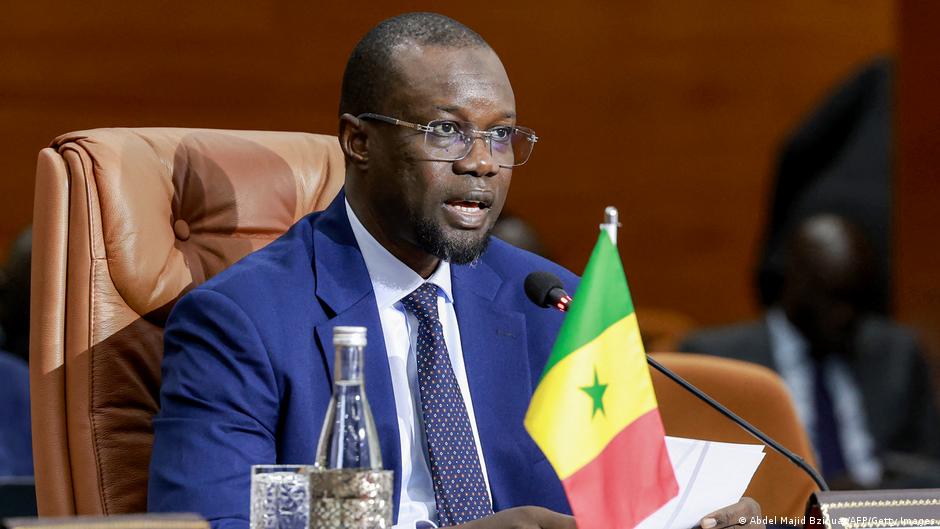
challenging Ousmane Sonko in Senegal carries serious risks
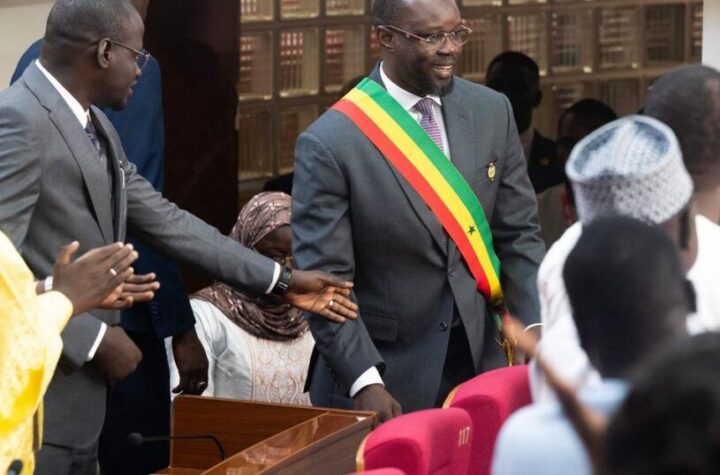
Tensions between Bassirou Diomaye Faye, Senegal’s President, and Ousmane Sonko, the newly elected National Assembly Speaker, are straining the country’s democratic discourse. Civil society leaders and journalists warn of an intimidating atmosphere gripping the nation. Those who dare criticize Sonko frequently face relentless smear campaigns on social media, driven by the most vocal members of his PASTEF party.
This environment has fostered widespread self-censorship, as individuals fear both digital and physical reprisals.
Shortly after assuming office as Prime Minister in early April 2024, Sonko issued stark warnings to the media:
“We will no longer tolerate media outlets publishing unverified claims under the guise of press freedom.”Judicial independence under fire
Ousmane Sonko has repeatedly questioned the integrity of Senegal’s judiciary. In November 2025, during a public meeting, he accused certain magistrates of obstructing financial investigations—echoing his long-standing criticism of what he calls the “system.” These remarks sparked outrage among legal professionals.
Setbacks in women’s rights progress
Women’s rights activists highlight troubling regressions in gender equality. Ossama Monique Sagna, a prominent Senegalese feminist, points to the underwhelming implementation of the 2010 gender parity law as a prime example.
“The current government has fewer female ministers than Macky Sall’s final cabinet. This is a clear regression in political representation,” she notes.The former administration under Macky Sall included seven women in cabinet roles, compared to just four in Sonko’s government before its dissolution last week—a mere 13% representation. This disparity has sparked public debate and disillusionment.
Sagna adds that core feminist demands remain unaddressed:
“Structural progress is nearly nonexistent. The Family Code still upholds discriminatory provisions, and the Maputo Protocol’s implementation—covering reproductive rights and protection from gender-based violence—remains stalled. Feminicide and gender-based violence cases continue to rise, with little government response.”In 2025 alone, Senegal recorded 18 feminicide cases.
More Stories
Niger: interior minister’s spouse implicated in schengen visa trafficking scheme
Senegal’s political landscape shifts: president faye and ex-prime minister sonko’s alliance dissolves
Au Burkina Faso, l’imam Kindo interpellé après avoir critiqué la junte d’Ibrahim Traoré