
 Boureima Amadou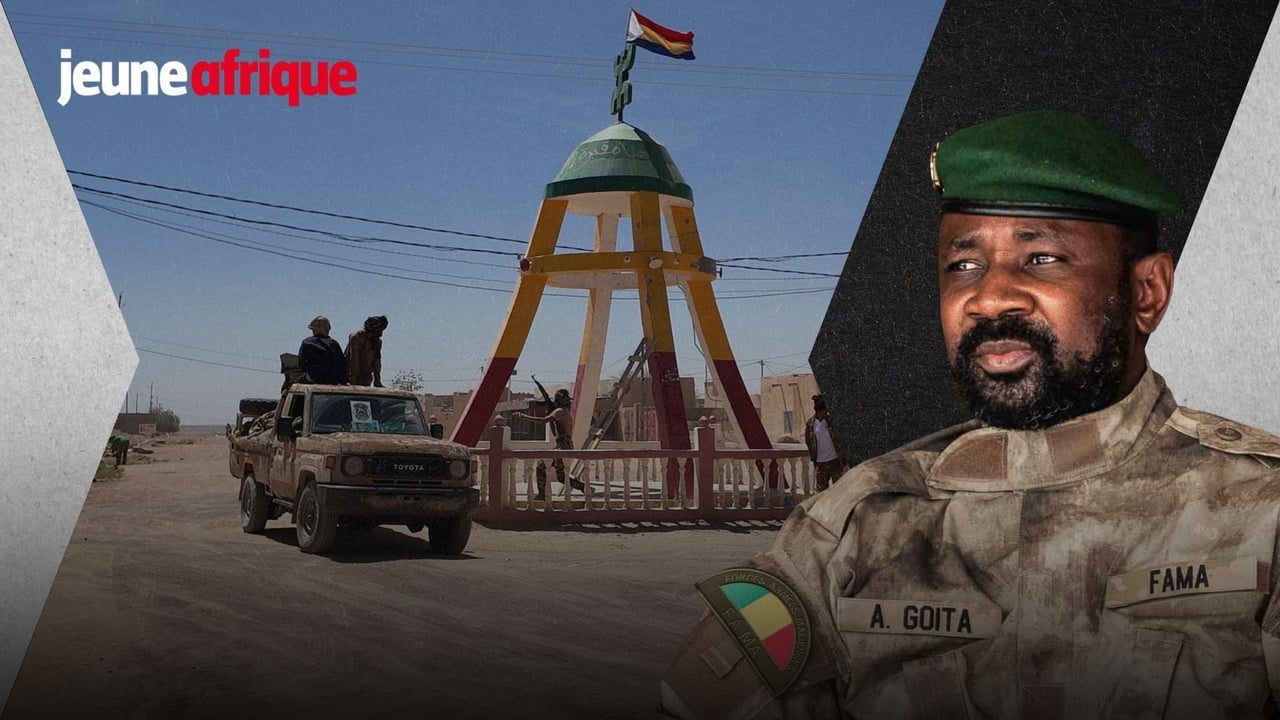
Observers describe the current situation in Mali as one where authority is visibly strained, yet the state has not collapsed entirely. The West African nation continues to grapple with escalating security challenges that have reshaped its political and social landscape in recent years.
Coordinated attacks expose fragile stability
On April 25, 2026, Mali witnessed an unprecedented wave of violence that marked a turning point in its ongoing crisis. Coordinated assaults struck multiple cities simultaneously, while key government figures became primary targets. The attack claimed the life of the Defense Minister, sending shockwaves through the capital and beyond.
This brazen assault revealed an alarming development: the growing collaboration between jihadist factions and separatist rebel groups. The alliance, once unthinkable, has now become an open challenge to the Malian government’s authority.
Kidal falls to rebel-jihadist coalition
The strategic city of Kidal became the focal point of this new threat. Once a stronghold of foreign mercenaries from Africa Corps, it fell under the control of the Front for the Liberation of Azawad (FLA) on April 25. The rapid takeover exposed vulnerabilities in the country’s security infrastructure and highlighted the expanding influence of non-state actors.
A checkpoint outside Kidal, previously controlled by Africa Corps forces, now stands as a symbol of this dramatic shift in power dynamics.
Government response and future uncertainties
In the aftermath of these coordinated strikes, Mali’s leadership faces mounting pressure to restore order. The government’s ability to counter both jihadist insurgencies and separatist movements will determine whether the state can reclaim its stability. Meanwhile, neighboring countries watch with growing concern as the crisis deepens.
As the situation evolves, one question remains unanswered: Can Mali’s government navigate this perfect storm of security threats before the nation’s already fragile institutions collapse entirely?








