Boureima Amadou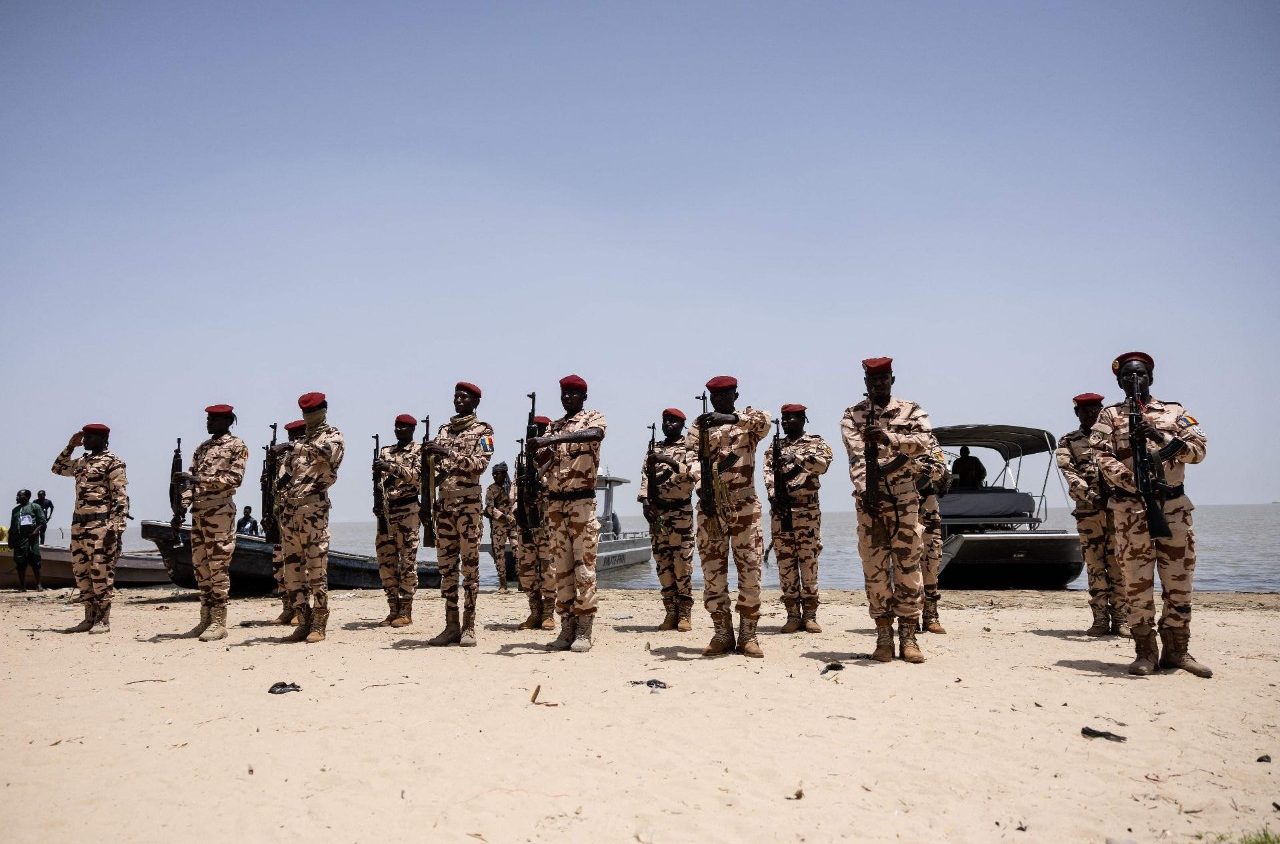

(AFP or licensors)
Bishops in Chad issue urgent call for dialogue to break political deadlock
Fabrice Bagendekere, SJ – Vatican City
The bishops’ statement comes amid escalating intercommunal violence that has recently devastated parts of Chad, particularly in Dar Tama (Wadi Fira) and Guera. The attack on May 5 at the Barka Toulorom military base near Lake Chad—one of the latest violent incidents—resulted in at least 23 fatalities, according to an official government communiqué. Earlier, on April 26, intercommunal clashes in eastern Chad claimed at least 42 lives.
The bishops condemned these killings unequivocally, reaffirming that “human life is sacred and no one has the right to take it.” They emphasized that “violence cannot be an acceptable response to disagreements, as it only deepens divisions and fuels further instability.”
Bishops advocate for cultural, political, and religious pluralism
The prelates also voiced concerns about Chad’s sharply declining political situation, citing a “wave of arrests targeting opposition figures and critical voices.” These detentions, they argued, undermine democratic principles, freedom of expression, and human rights—cornerstones of a cohesive society. “Such actions weaken the already fragile social fabric and threaten the nation’s unity,” the bishops warned.
They called for the respect of cultural, political, and religious pluralism, emphasizing that diversity is a strength, not an obstacle, in building a strong, lawful state. “Exclusion, violence, and injustice can only be overcome by goodness—through respect for diversity, dialogue, and justice for all,” they stated.
Constructive talks key to national reconciliation
The bishops reaffirmed their commitment to “sincere and inclusive dialogue” as the sole path forward. “All stakeholders must engage in meaningful discussions rooted in truth, mutual respect, and peaceful solutions,” they asserted, stressing that this dialogue is “essential for reconciliation and lasting peace in Chad.” The prelates called on authorities to “exercise wisdom and restraint, fostering an environment of trust conducive to healing.” “Peace is a precious gift we must all work together to preserve,” they concluded.
The bishops extended their heartfelt condolences to the families of the victims and urged the public to “come together in compassion and solidarity during these challenging times.”