Boureima Amadou
The Central Sahel region continues to grapple with a profound and escalating humanitarian crisis. Across Niger, Burkina Faso, and Mali, an alarming figure of nearly 7.5 million children urgently requires critical assistance, despite some advancements observed in healthcare, educational access, and civil registration services.
UNICEF urges heightened international engagement
Following a crucial 14-day assessment mission to the region, Ted Chaiban, UNICEF’s Deputy Executive Director, issued a stark warning regarding the crisis’s insufficient global recognition. He emphasized that the situation remains largely overlooked on the international stage.
Chaiban highlighted a region defined by the remarkable resilience of its inhabitants, yet simultaneously scarred by the enduring effects of widespread insecurity, severe climate disruptions, and deep-seated socio-economic challenges.
Mass displacement, rampant violence, and widespread school closures
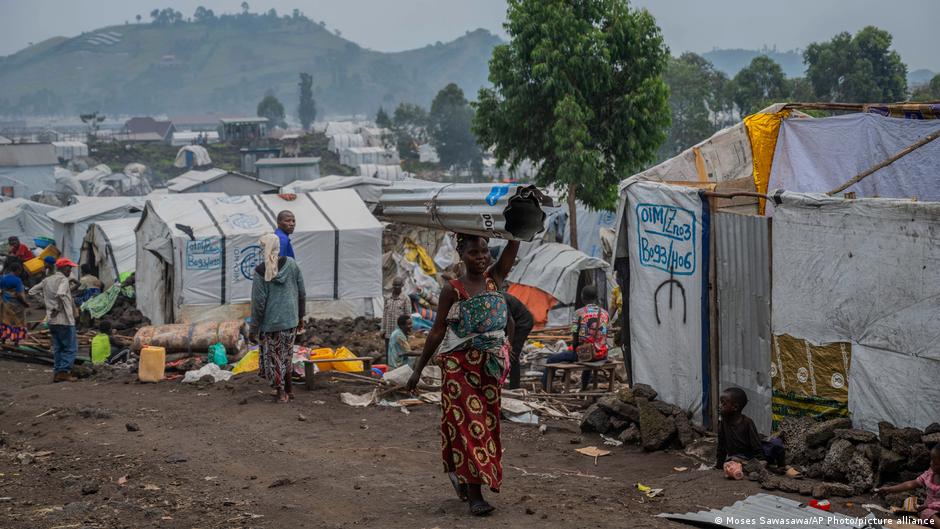
Data compiled by UNICEF reveals that over 3.6 million individuals have been forced to abandon their homes, fleeing pervasive violence. Furthermore, the United Nations has documented more than 1,500 egregious violations against children, encompassing brutal murders, abductions, and forced recruitment by various armed factions.
The educational sector has also suffered immense setbacks. By 2025, over 8,400 schools were rendered completely inaccessible, thereby denying countless children their fundamental right to learn and leaving them acutely vulnerable to illness, psychological trauma, and extreme poverty.