Boureima Amadou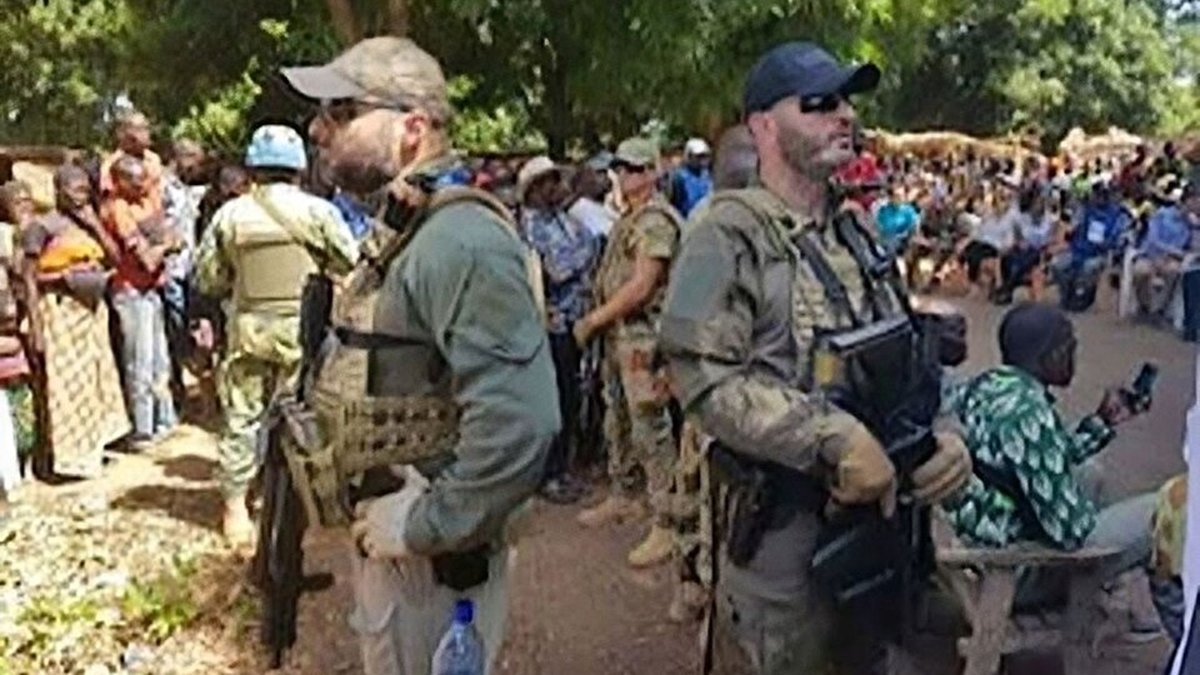
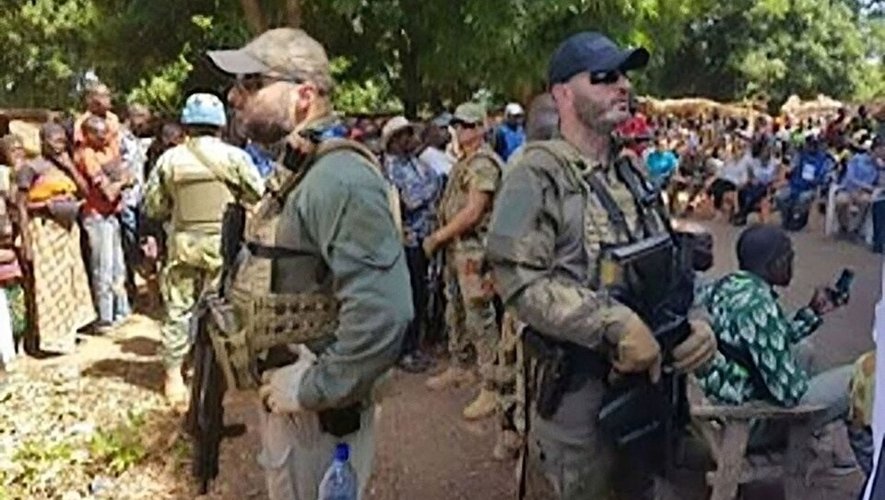
In a move that has sent shockwaves through the human rights and journalism communities, Ephrem Yalike-Ngonzo, a Central African investigative reporter, has been denied asylum in France. The decision comes despite his critical role in exposing the Wagner Group‘s operations in the region, which had previously earned him a special entry permit granted by the highest levels of the French government.
His lawyer described the refusal as a “deeply concerning signal” to others fighting against Russian propaganda and disinformation campaigns in Africa. Yalike-Ngonzo had been living in France since 2024 under the protection of a laissez-passer, a temporary document issued following direct intervention by Emmanuel Macron.
From payments to persecution: the journalist’s harrowing journey
Ephrem Yalike-Ngonzo first came under the influence of Wagner Group operatives in late 2019. At the time, he was working as a freelance journalist for multiple publications in the Central African Republic. For each article that portrayed the national army and its Russian allies in a favorable light, he received payments ranging from fifteen to thirty euros—a sum equivalent to a quarter of his monthly income.
His involvement, though coerced by financial necessity, took a dramatic turn in 2024 when he participated in an investigation led by Forbidden Stories into Russian influence operations across Africa. The exposé uncovered the inner workings of a sophisticated disinformation network orchestrated by Wagner and its affiliates. The revelations not only exposed the group’s destabilizing activities but also led to swift European sanctions against Mikhail Prudnikov, a key architect of Moscow’s propaganda machine in the Central African Republic.
Death threats and a desperate escape
As his identity became known, Yalike-Ngonzo faced immediate and severe consequences. The Wagner Group issued direct death threats against him, forcing him to flee the country in haste. His safety became a priority, and with the help of international partners, he secured passage to France under a temporary protection status. The French government, recognizing the gravity of his situation, granted him a laissez-passer—a rare gesture of solidarity with a journalist under extreme risk.
A year-long wait for justice
On July 9, a formal appeal was filed with the National Court of Asylum, initiating a lengthy legal process that could take up to a year before a final decision is rendered. In the interim, Yalike-Ngonzo remains in hiding in France with his family, constantly relocating to avoid detection. Back in the Central African Republic, his relatives are subjected to relentless interrogations by unknown actors, pressured to disclose his current whereabouts. The psychological toll on his loved ones has grown increasingly severe as the threats against them intensify.
The denial of asylum sends a chilling message to journalists and whistleblowers across Africa and beyond: speaking truth to power—especially against Russian-backed operations—comes at an unbearable personal cost.


 Mariama Hamani