Boureima Amadou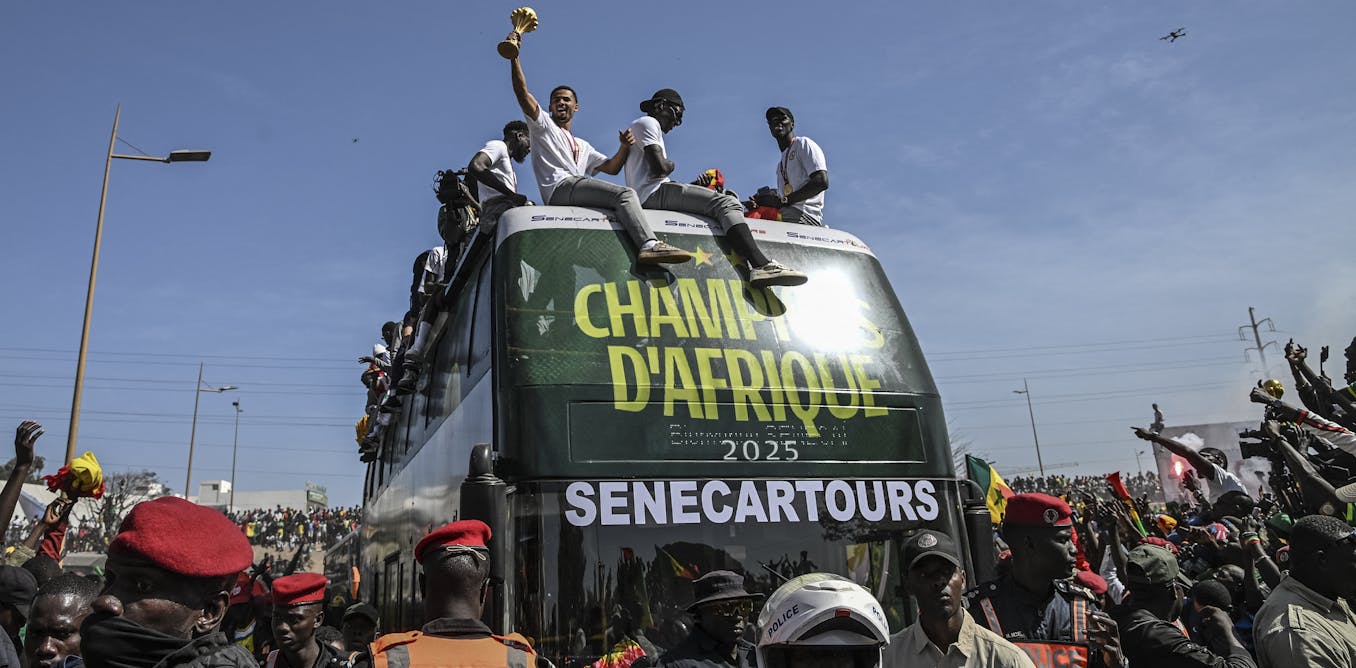
The African Football Confederation (CAF) Appeals Jury handed down a surprising ruling two months after the TotalEnergies CAF Africa Cup of Nations (CAN) 2025 final, converting Senegal’s on-field 1-0 victory into a 3-0 forfeit victory for Morocco. The decision hinged on the Senegalese team’s temporary exit from the pitch during the match, sparking legal and sporting debates across the continent.
This unexpected turn contradicted the initial course of action taken by the referee, who chose to resume and complete the game despite the incident. To grasp the legal shift behind a result secured on the field, we examine the CAF regulations and their implications. Insights from Abdoulaye Sakho, a leading sports law expert, shed light on the matter.
legal foundations: how did the caf appeals jury reach this conclusion?
The CAF Appeals Jury grounded its decision in Articles 82 and 84 of the CAN Regulations, specifically addressing team withdrawals. These clauses empower the jury to declare a team’s forfeiture if they deem the action a withdrawal rather than a temporary suspension, thus altering the match outcome.
In legal terms, the distinction between withdrawal and abandonment is critical. The former triggers a predefined disciplinary response, while the latter—though similar—may not. The jury’s interpretation of the incident as a withdrawal led to the enforced 3-0 result in favor of Morocco, despite the match resuming and concluding under the referee’s authority.
The ruling underscores how legal qualification can override on-field realities, much like a medical diagnosis dictating treatment: a misstep in interpretation may yield unintended consequences.
why did the caf appeals jury disregard the referee’s decision to complete the match?
The Appeals Jury’s reasoning remains opaque, but it likely stemmed from its independent authority to reassess the referee’s call. While the referee opted to suspend play temporarily and restart—rather than declare an outright abandonment—this choice did not bind the jury’s final decision.
Under FIFA’s Laws of the Game, referees hold discretionary power to halt or suspend matches for rule violations or external interference. However, no fixed time threshold dictates when a game becomes an abandonment. The referee’s authority is absolute (erga omnes), meaning their rulings—including match outcomes—are final and binding. This principle clashed with the jury’s interpretation, creating a legal paradox where field-level action and regulatory enforcement diverged.
has a similar case ever occurred in a can final?
No documented instance of a CAN final outcome being overturned post-match due to a pitch exit exists. This scenario is unprecedented at the continental championship level.
Historically, football authorities hesitate to revisit on-field results, as seen in the South Africa vs. Senegal 2018 World Cup qualifier, which was replayed after bribery allegations against the referee. Other notable cases include:
- Wydad Casablanca vs. Espérance de Tunis (2019): Moroccan players refused to resume play after a disallowed goal and VAR malfunction, leading to a forfeiture ruling by the referee and later upheld by the Court of Arbitration for Sport (CAS).
- South Africa vs. Senegal (2017): A match replayed due to referee corruption influencing the outcome.
The key difference in the CAN 2025 final is that Senegal resumed play and completed the match, whereas Wydad Casablanca did not. This nuance shaped the jury’s divergent approach.
can Senegal challenge this decision, and what are their prospects?
Yes. Senegal has already filed an appeal, a common recourse in sports law when governing bodies issue definitive rulings. The Court of Arbitration for Sport (CAS) will review the case through a formal appeal process, requiring a filing fee of 1,000 Swiss francs (~$1,279).
The process involves written submissions, oral arguments, and a final ruling, likely within months. Additionally, the Senegalese Football Federation (FSF) has sought an interim suspension of the CAF decision, allowing Senegal to retain its title until the CAS verdict is delivered.
This case serves as a critical study in sports governance, addressing:
- Interpretation of sports regulations
- Refereeing authority and match control
- Composition and powers of adjudicatory bodies
- Estoppel principles in ongoing legal proceedings