Mariama Hamani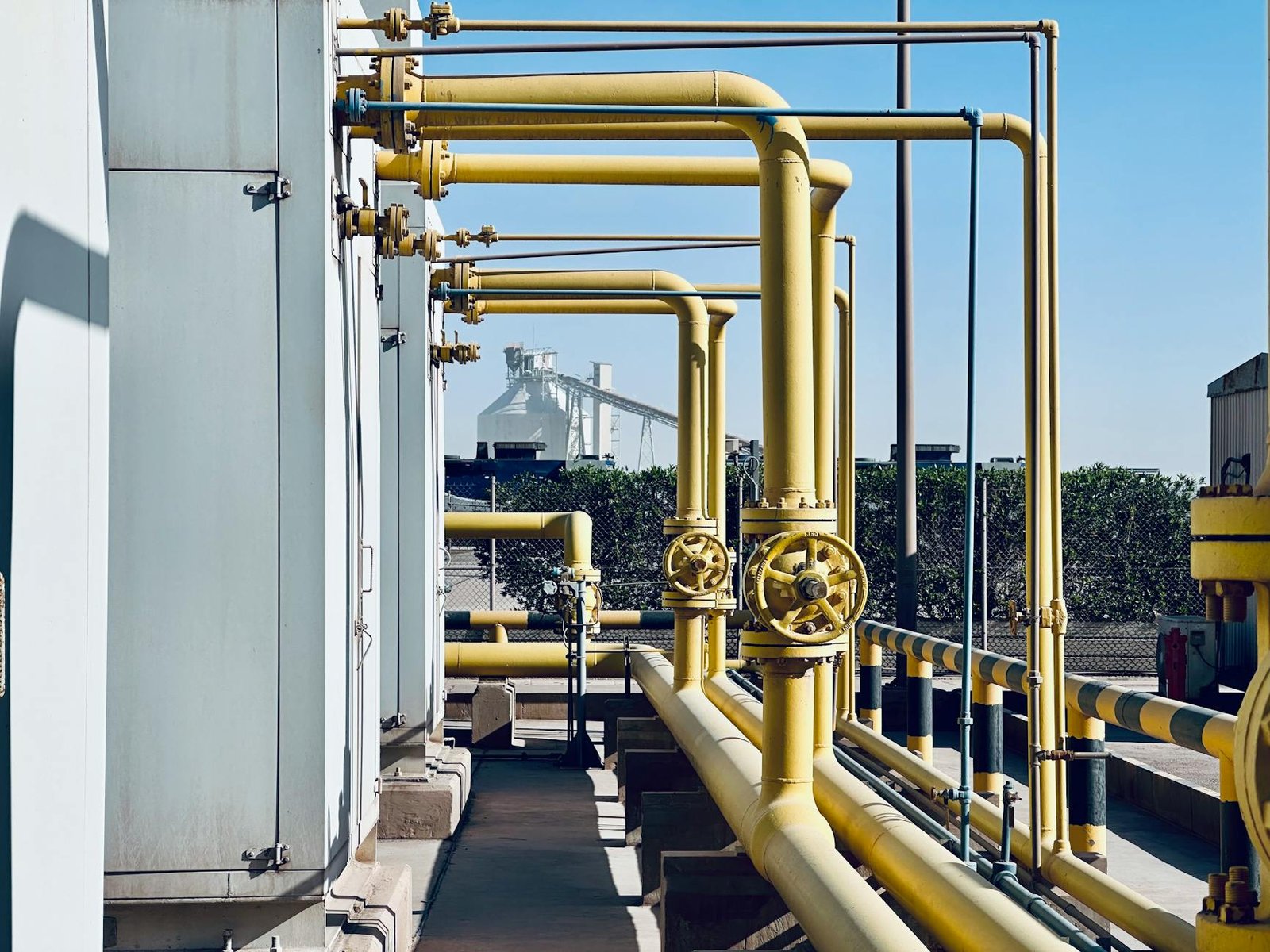
In the first four months of 2026, Cameroon collected 12.2 billion Central African CFA francs in transit fees from Chad’s crude oil transported via the Chad-Cameroon pipeline. This figure, released by the Pipeline Steering and Monitoring Committee (CPSP), reflects a year-on-year increase of 1.2 billion FCFA, representing an 11% rise compared to the same period in 2025. The growth stems from a total volume of 16.1 million barrels of Chadian crude transported through Cameroonian territory during the period.
Pivotal infrastructure for Chad’s energy isolation
Stretching 1,080 kilometers, the pipeline connects oil fields in southern Chad to the Komé-Kribi export terminal on Cameroon’s coast. Without direct access to the sea, N’Djamena relies entirely on this lifeline to move its production to global markets. Operational since the early 2000s under a consortium initially led by ExxonMobil, the pipeline remains Chad’s only viable export corridor.
For Cameroon, this geographic dependence translates into recurring budgetary inflows. Each barrel transiting its territory generates a fixed transit fee of $1.321, credited to the national treasury. While the mechanism is straightforward, its cumulative impact strengthens non-tax revenues, particularly as Yaoundé seeks to diversify income amid declining domestic hydrocarbon output.
Transit fee triples over two decades
The current rate is the result of negotiations that began in 2013. Initially set at $0.41 per barrel, the fee was deemed insufficient by Cameroonian authorities given the environmental and logistical risks borne by the transit country. Under Yaoundé’s pressure, a five-year review mechanism was established, leading to successive upward adjustments in 2013 and 2018 that pushed the rate to its present level.
In practical terms, the unit rent has more than tripled over fifteen years. This upward trend has gradually aligned Cameroon’s transit financial terms with those observed in other African oil corridors, such as the BTC system in Central Asia or arrangements on neighboring Chad-Cameroon pipelines like COTCO. However, the next scheduled adjustment remains pending.
2023 fee review still unresolved
According to the agreed schedule, a new increase should have taken effect on October 1, 2023. More than two years later, no official statement has confirmed the conclusion of talks or the implementation of a revised rate. The prolonged silence raises questions, especially as Cameroonian authorities have recently emphasized optimizing petroleum revenues.
Multiple factors may explain the stalemate. Chad’s post-Deby political transition and N’Djamena’s budgetary constraints limit negotiators’ flexibility. Meanwhile, fluctuations in Chadian oil production could prompt operators to advocate for tariff stability to safeguard the profitability of declining fields. Conversely, Cameroon’s incentive is to maximize returns from an infrastructure with a finite useful lifespan.
Yet, the current dynamics undeniably benefit the national budget. If the first four-month trend holds, annual transit fee revenues could surpass 35 billion FCFA in 2026. This would solidify the Chad-Cameroon pipeline’s role as a strategic foreign exchange generator for Yaoundé, alongside Kribi’s gas projects and agricultural exports. No official updates on ongoing tariff negotiations with Chad have been made public.


 Boureima Amadou