Boureima Amadou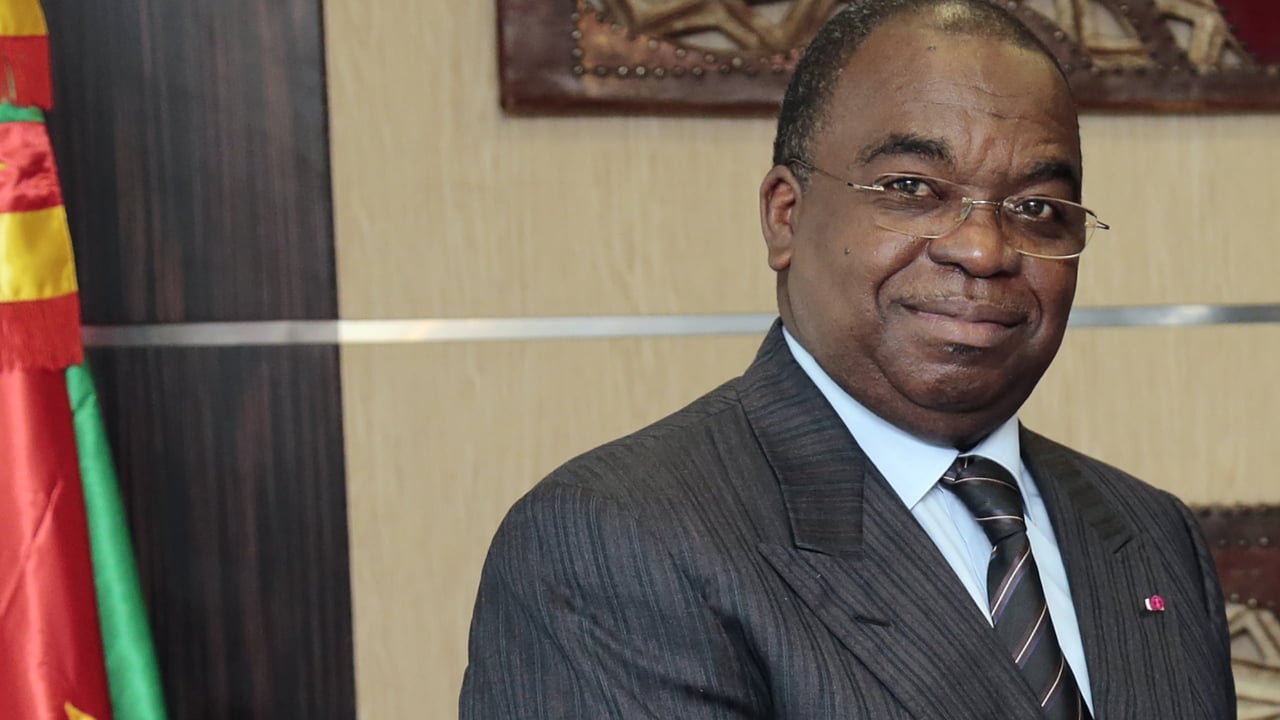

In Cameroon’s political arena, whispers are growing louder around a strategic figure: Louis-Paul Motaze, the nation’s Finance Minister. As speculation swirls about potential shifts in the country’s leadership structure, Motaze has emerged as a key player in the behind-the-scenes maneuvering for the vice-presidency under President Paul Biya.
a calculated rise to prominence
With decades of experience in governance and economic policy, Motaze has steadily built his reputation as a pragmatic administrator. His tenure as Finance Minister has been marked by efforts to stabilize Cameroon’s economy amid regional challenges, earning him both domestic recognition and international attention. Now, as the conversation turns to succession and leadership continuity, his name is increasingly linked to the vice-presidency—a role that could position him as a successor to the aging president.
Observers note that Motaze’s campaign for the position is unfolding discreetly but deliberately. While he maintains a low public profile compared to other political heavyweights, his influence within the ruling circles remains undeniable. Close allies describe his approach as methodical, leveraging both policy achievements and behind-the-scenes alliances to strengthen his case.
key figures in the background
The dynamics surrounding Motaze’s potential ascent are complex, involving other prominent names in Cameroon’s political landscape:
- Ferdinand Ngoh Ngoh, a seasoned diplomat and former Secretary-General of the Presidency, whose own ambitions have been a subject of debate;
- Franck Biya, the president’s son, whose political future continues to spark speculation;
- And, of course, Paul Biya himself, who remains at the helm despite mounting questions about his succession.
These figures represent just a fraction of the intricate web of power players jockeying for position as the country navigates an uncertain political horizon.
what’s next for Cameroon’s leadership?
The vice-presidency race is more than a political maneuver—it’s a reflection of Cameroon’s broader struggles with governance and transition. With Africa’s aging leadership structures under increasing scrutiny, the stakes could not be higher. Motaze’s potential appointment would signal a blend of continuity and reform, balancing institutional stability with much-needed modernization.
As the situation develops, all eyes will remain on Cameroon’s political elite. The coming months could redefine the nation’s trajectory, with Motaze’s name at the center of the conversation.