Mariama Hamani
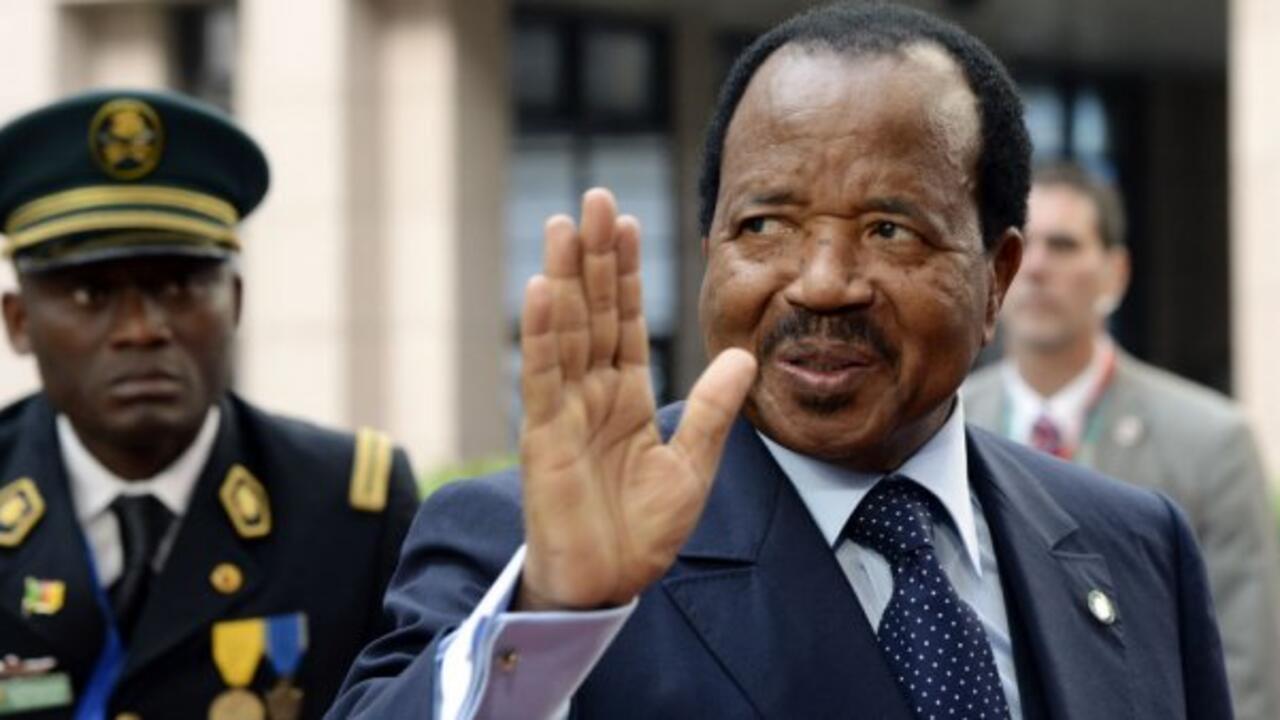
In Cameroon, November 6th isn’t just another date on the calendar — it marks an era when the nation’s collective hopes began to stagnate. Four decades after Paul Biya ascended to power, the country finds itself at a turning point, where the weight of unkept commitments has eroded public trust, leaving generations in limbo. What was once a beacon of promise now faces the harsh reality of missed opportunities, deepening inequality, and a leadership that seems increasingly detached from its people.
For many, the anniversary of November 6th serves as a stark reminder: 44 years of empty assurances, 44 years of unrealized potential, and 44 years of a youth trapped in cycles of unemployment and disillusionment. The political landscape, once vibrant with opposition energy, now struggles under the weight of disputed elections, institutional distrust, and a growing sense of national fatigue.
From electoral disputes to institutional erosion: the slow unraveling of trust
The echoes of contested elections still reverberate across the nation. The 2018 presidential vote, along with the looming 2025 elections, has cast a long shadow over Cameroon’s democratic narrative. Critics argue that these disputes aren’t mere administrative hiccups — they reflect a system struggling to maintain credibility. Compounding the issue is the absence of the head of state at key public ceremonies, a decision that fuels speculation about governance transparency and institutional decline.
The political opposition, once a powerful voice for change, now grapples with internal fractures. The legacy of Ni John Fru Ndi’s disputed victory decades ago continues to haunt the national dialogue, serving as a cautionary tale of how quickly electoral triumphs can devolve into controversy. Today, the opposition’s role feels diminished, its once-bold calls for reform muffled by the passage of time and the inertia of the status quo.
The youth’s silent crisis: unemployment, precarity, and lost futures
Behind the political headlines lies a quieter, more devastating reality: the youth of Cameroon. Born into a nation with vast potential, they have inherited a landscape of economic stagnation, where job opportunities are scarce and precarious work is the norm. The promise of a better future — the very bedrock on which nations build their progress — has largely evaporated. Instead, many young Cameroonians face a stark choice: stay home and confront the bleak job market or seek opportunities abroad, often under perilous conditions.
This generational crisis isn’t just an economic tragedy — it’s a ticking time bomb. With youth unemployment hovering at alarming levels and educational systems failing to prepare students for the realities of the modern job market, frustration simmers beneath the surface. The country’s once-vaunted potential now feels like a distant dream, its realization deferred yet again.
The road ahead: democracy, accountability, and the 2027 reckoning
As Cameroon stands at this crossroads, the questions are unavoidable: What comes after 44 years? The nation’s institutions, once the pillars of its stability, now face scrutiny. Can they adapt, or will they continue to crumble under the weight of outdated practices? The 2027 elections loom large, not just as a political event, but as a potential catalyst for change. The debate over political renewal is no longer a whisper — it’s a roar.
Young leaders are rising, voices once silenced by the decades-long dominance of a single party are finding new platforms. The call for accountable governance, for a leadership that listens, and for a future that reflects the aspirations of its people is growing louder. Institutions must be strengthened, not just in name, but in action. Alternance, long deferred, is no longer a distant ideal — it’s an urgent necessity.
The message is clear: Cameroon cannot afford another 44 years of unfulfilled promises. Its people deserve more than commemorations and empty rhetoric. They deserve a government that is transparent, a system that is meritocratic, and an economy that creates real opportunities. The time for decisive action is now, before the momentum for change slips away entirely.
The choice is ours
History isn’t static. It bends to the will of those who dare to demand better. For Cameroon, November 6th should serve as more than a date of reflection — it should be the starting point for a new chapter. One where promises are kept, where trust is restored, and where the youth, the future of the nation, finally see their dreams take shape.
Forty-four years is enough. The future of Cameroon is still in the hands of its people — but time is running out.

 Boureima Amadou