Mariama Hamani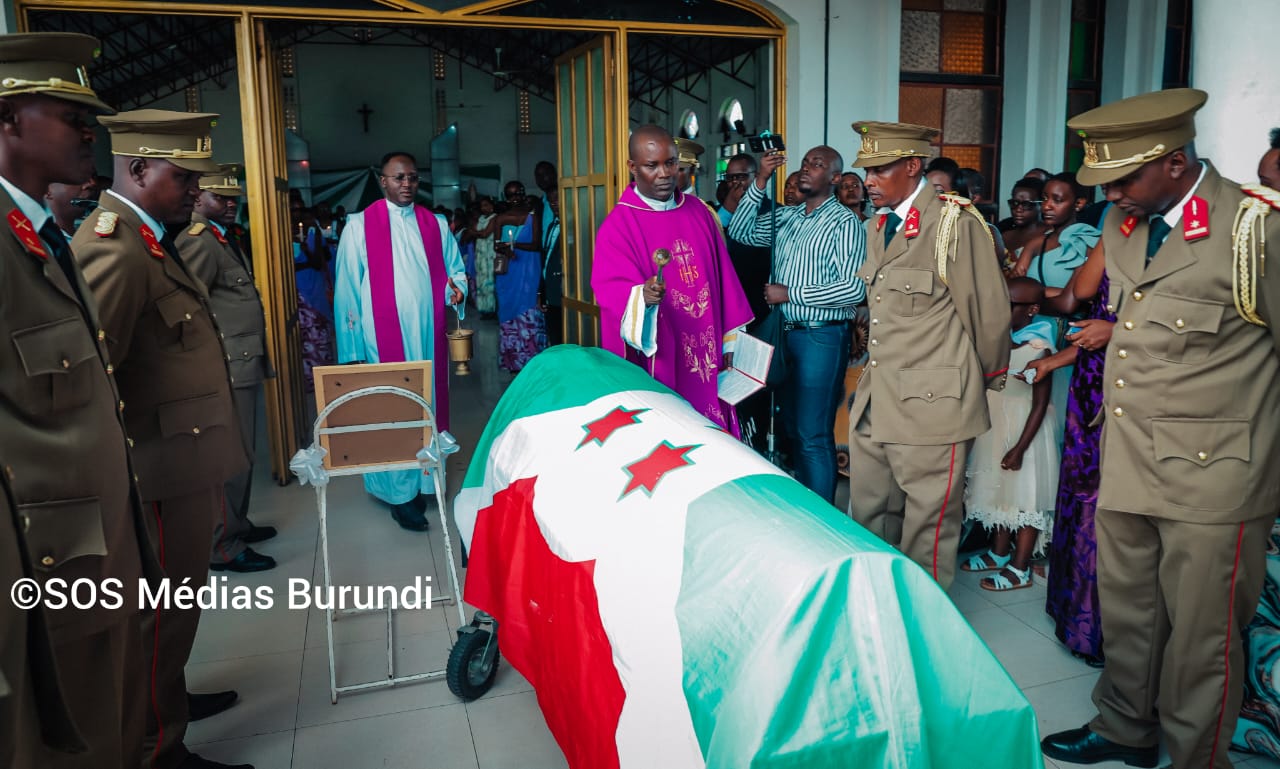
Sud-Kivu : de nouvelles pertes présumées de l’armée burundaise relancent les interrogations sur son engagement en RDC
Fizi, 9 juillet 2026 — As intense fighting flares once again across the high plateaus of South Kivu, local reports indicate drone strikes targeting Burundian National Defence Force (FDNB) reinforcements within Fizi territory. While these claims remain unconfirmed officially, they emerge amid recent military setbacks experienced by the FARDC, the FDNB, and Wazalendo militias against Twirwaneho combatants, who are reportedly allied with the AFC/M23. These developments are reigniting concerns over the human cost of Burundi’s military involvement in the Democratic Republic of Congo, where over 29,000 soldiers were deployed between August 2022 and December 2025.
Local accounts from Fizi territory in South Kivu describe three vehicles, laden with ammunition and Burundian soldiers, allegedly struck by drones in Mulima during the past week. These sources claim that several military personnel were killed, including a colonel and a major from the Burundian National Defence Force (FDNB). However, no official casualty figures were available at the time of publication, and these details could not be independently verified.
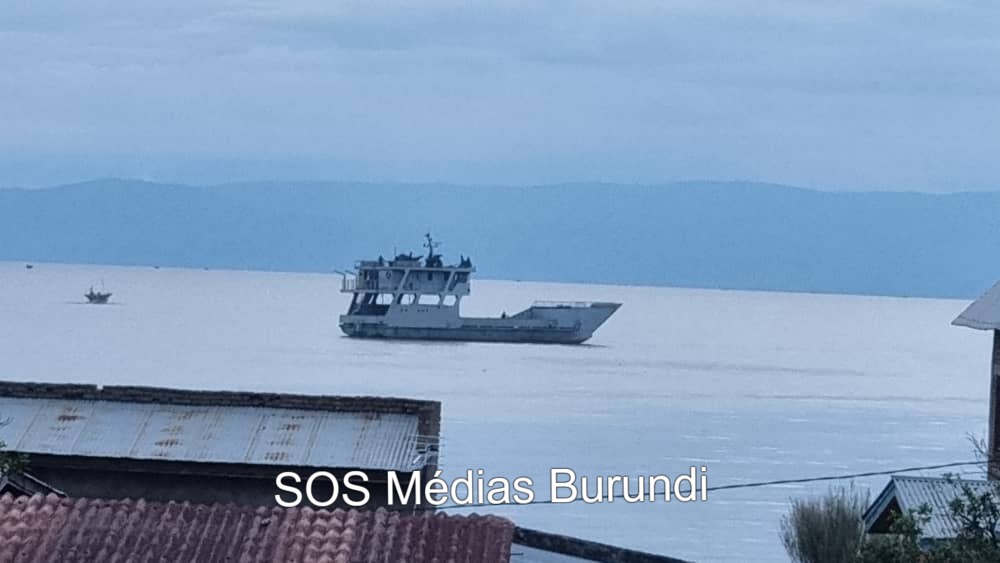
The same sources also assert that a vessel transporting soldiers was reportedly bombed on Lake Tanganyika, off the Ubwari peninsula. This boat was said to be ferrying reinforcements to the Baraka, Fizi, and Minembwe high plateau sectors.
According to testimonies, these reinforcements were intended to bolster the positions of the FARDC, FDNB, and Wazalendo militias following the loss of several strategic locations. These included Point Zéro, Kakenge, Rubemba, Mikenge, and Kalongi, which local accounts attribute to Twirwaneho fighters allied with the AFC/M23.
Withdrawal from the frontline
Further local reports indicate that FARDC and FDNB troops have withdrawn from the Rugezi, Kakenge, and Point Zéro sectors, repositioning towards Mukera. Other units reportedly headed towards Misisi, en route to Tanganyika province in southeastern DRC.
After several days of intense combat, a relative calm has reportedly settled over the Minembwe region. Displaced residents have begun returning to their villages. On social media, members of the Banyamulenge community have shared images purporting to show a gradual return to normalcy in some areas now under the control of Twirwaneho/AFC-M23. Independent verification of these images has not been possible.
A costly engagement for the FDNB
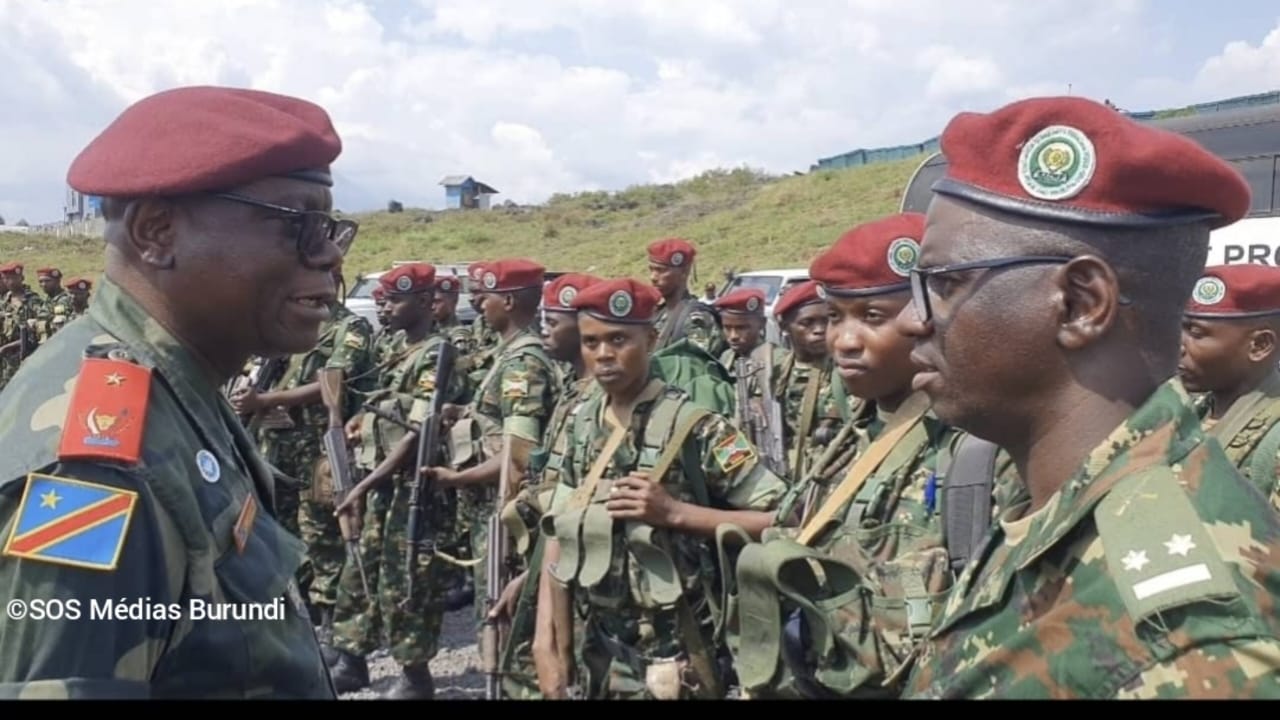
While the precise number of Burundian soldiers killed in the recent week’s clashes remains unknown, these reports serve as a stark reminder of the losses the FDNB has sustained since its deployment to eastern DRC. Prior to the capture of Goma, the capital of North Kivu, several Burundian soldiers had perished, including a major who was, at the time, the highest-ranking Burundian officer killed in this theatre of operations.
In December 2025, during confrontations in the Rusizi plain of South Kivu, the FDNB suffered another significant loss with the death of a colonel, marking the highest-ranking Burundian officer to fall in combat since the military intervention in Congo began.
Following the withdrawal of the AFC/M23 from Uvira and the Rusizi plain, partly facilitated by American diplomatic pressure, Burundian authorities initiated new redeployments to reinforce units remaining on the front lines. Since last February, the FDNB, FARDC, and Wazalendo militias had also received substantial human and material reinforcements, enabling them to contain offensives by Twirwaneho and the AFC/M23 for several months. However, the events reported this week suggest a potential shift in the balance of power within this volatile part of South Kivu.
Over 29,000 troops deployed
An internal report from the Congolese Ministry of Interior and Security reveals that more than 29,000 Burundian military personnel were deployed to eastern DRC between August 2022 and December 2025. This extensive deployment was part of a military agreement forged between Kinshasa and Gitega.
Burundian President Évariste Ndayishimiye has repeatedly defended this intervention. He has notably stated that it is “normal” for Burundian soldiers to lose their lives in the DRC, given their chosen profession. He further explained that Burundi is applying a Kirundi proverb that advises helping a neighbor extinguish a fire in their home before it spreads to one’s own.
A regional conflict with multiple players
The Burundian army is actively fighting alongside the FARDC and Wazalendo militias against the AFC/M23. Kinshasa accuses Rwanda of providing support to this politico-military coalition, an allegation Kigali vehemently denies. Nevertheless, a report by United Nations experts published in December 2025 indicated the presence of 5,000 to 7,000 Rwandan military personnel operating alongside the AFC/M23.
Conversely, Rwanda accuses the DRC and Burundi of collaborating with the FDLR, a Rwandan Hutu armed group whose members are implicated in the 1994 genocide against the Tutsis. Congolese authorities reject this accusation, while Gitega maintains that Kigali leverages the FDLR issue to rationalize its involvement in eastern DRC.
As of this publication, neither the FARDC, the FDNB, nor the AFC/M23 leadership has commented on the alleged drone strikes targeting Burundian reinforcements in Fizi territory.
_____________________________________________
Photo : Enterrement du major Ernest Gashirahamwe, le premier haut gradé de la FDNB à avoir été tué dans le Nord-Kivu, le 16 novembre 2023 à Bujumbura © SOS Médias Burundi

 Boureima Amadou