Mariama Hamani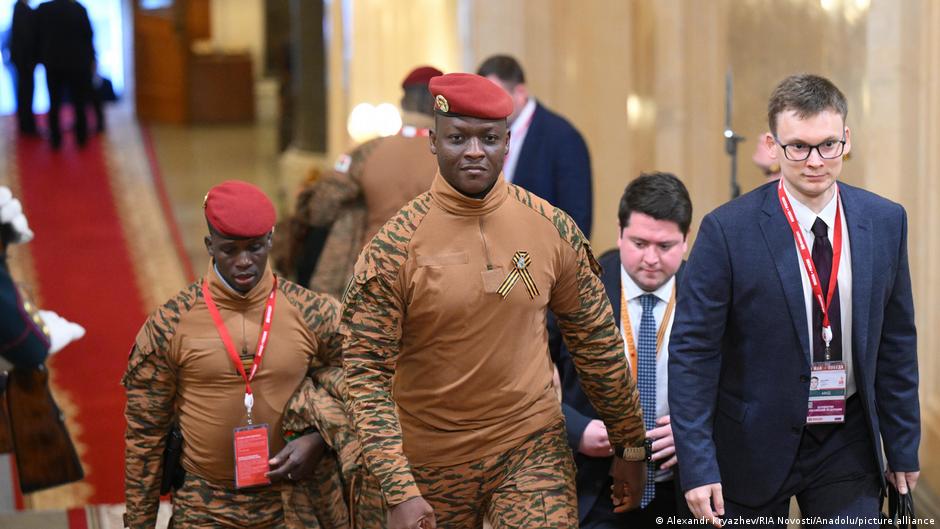
The adoption of Burkina Faso’s new Charter of the Popular Revolution has reignited debates about the country’s future trajectory. Meanwhile, Captain Ibrahim Traoré’s evolving stance on democracy continues to spark controversy. These pressing questions were at the heart of a recent discussion held under the Arbre à Palabres.
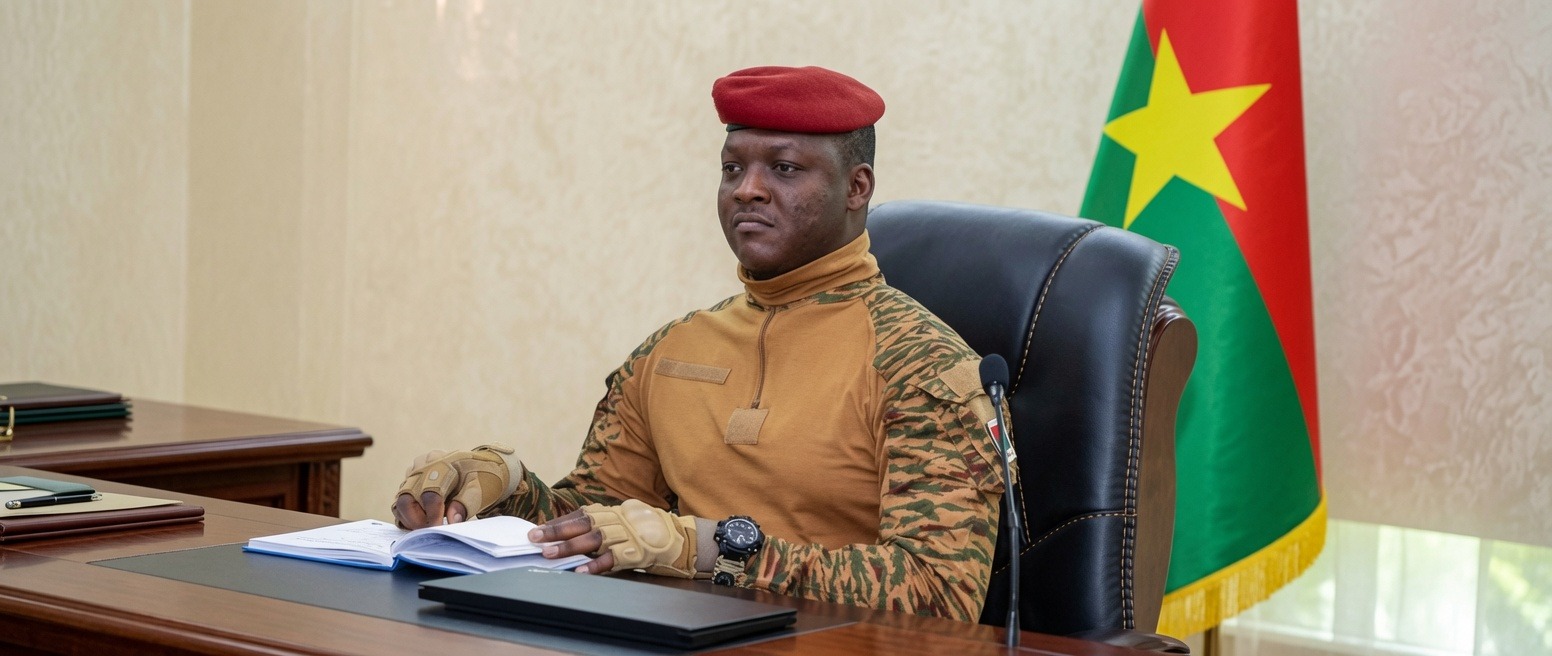
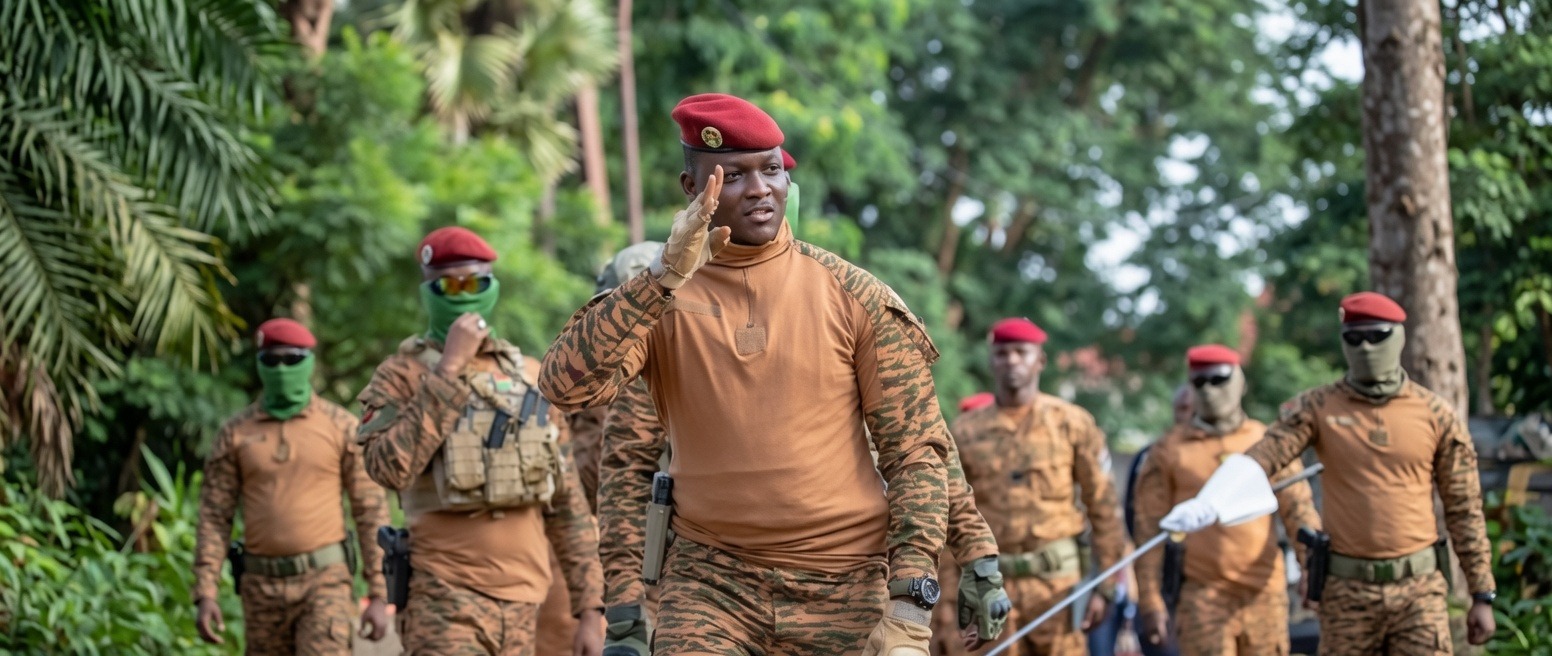
Since seizing power in late September 2022, Captain Ibrahim Traoré—leader of Burkina Faso’s military junta—has shown no signs of stepping down. Initially, he pledged to serve only temporarily, but his administration has since taken a markedly different turn. Now, as the self-proclaimed president maintains a firm grip on power, he faces accusations of repression while invoking the revolutionary legacy of Burkina Faso’s iconic leader, Thomas Sankara.
In late March, Burkina Faso’s transitional legislative assembly unanimously adopted the Charter of the Popular Revolution (RPP), replacing the previous Charter of Transition established in 2024. However, the move has drawn sharp criticism from international observers, including Amnesty International, which has urged the military leadership to immediately reverse its decision to dissolve over a hundred associations—many of which are human rights defenders.
Amid these developments, key questions emerge: Can Burkina Faso’s popular revolution deliver on its promises, or is it veering toward authoritarianism? To explore these issues, the panel examined the progress of the Alliance of Sahel States, formed on September 16, 2023, and assessed its impact on regional stability and governance.
Voices from the debate
Joining the discussion were prominent analysts and civil society leaders:
- Teehl Loé Konaté, a project coordinator and expert in panafrican dynamics and international relations. He also serves as the deputy secretary-general of Kamita, a civil society organization focused on cultural reflection, historical analysis, and panafrican foresight.
- Paul Amegakpo, president of the Tamberma Institute for Governance (ITG).
- Mayra Djibrine, president of the Alliance of Sahel Democrats.
Listen to the full debate by selecting the central image.

 Boureima Amadou