Boureima Amadou
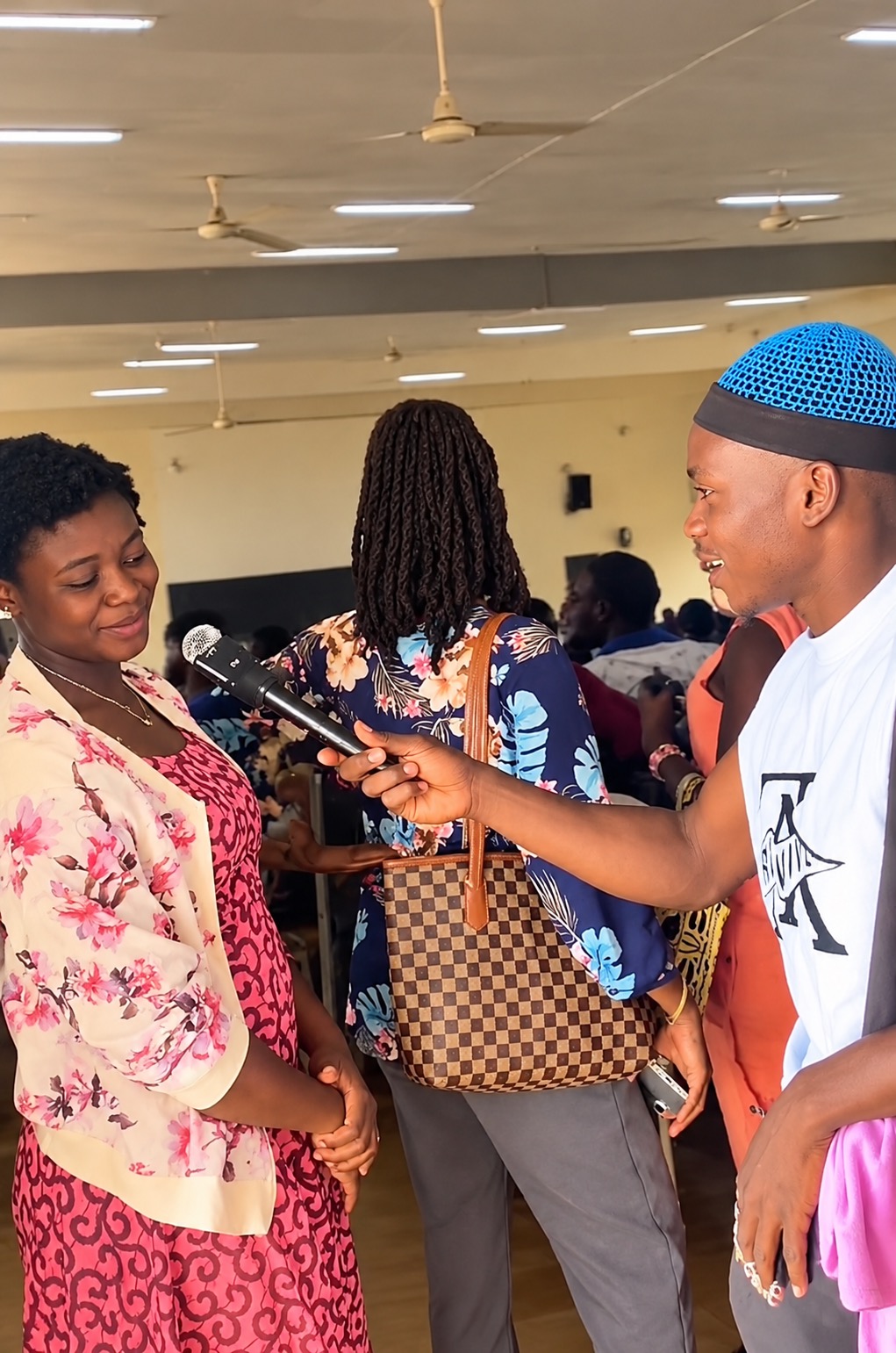
From grand declarations to cramped realities
For many students in Burkina Faso, the transition from high school to university marks not just a new academic chapter, but a moment of reckoning with the gap between government promises and ground-level realities. While authorities have framed the modernization of higher education as a cornerstone of national development, students on the ground describe a far different picture one of overcrowded lecture halls, cramped classrooms, and facilities struggling to meet demand.
What the promises promised
In recent years, speeches by transitional authorities, including those attributed to Captain Ibrahim Traoré, have emphasized the construction of modern university infrastructures, equitable access to courses, and the creation of learning environments conducive to academic success. These announcements have been widely disseminated, fostering hope among prospective students and their families that returning to Burkina Faso to pursue higher education would offer a viable and competitive alternative to studying abroad.
Yet, despite these assurances, students report that daily university life remains marked by systemic challenges: lecture halls filled beyond capacity, difficulty securing a seat in overbooked courses, and persistent shortages of teaching staff and educational resources. The disconnect between political rhetoric and lived experience has left many young people questioning the authenticity of the government’s commitment to educational reform.
Official figures reveal a deeper crisis
This disconnect is not merely anecdotal. In mid-2023, Burkina Faso’s Minister of Higher Education and Scientific Research, Adjima Thiombiano, publicly acknowledged the structural shortcomings plaguing the country’s public universities. According to official data presented to the transitional legislature:
The country had approximately 190,000 university students in 2023.
Available infrastructure could accommodate fewer than 90,000 students.
The student-to-lecturer ratio stood at approximately 109:1 far exceeding the recommended benchmark of 25:1.
These statistics underscore a fundamental imbalance: while new infrastructure projects may be underway, their scale has not yet matched the growing demand for higher education. Additional challenges reported by the minister included governance inefficiencies, delayed academic calendars, and insufficient internet connectivity. Together, these issues point to a university system struggling to keep pace with both enrollment growth and evolving educational standards.
The weight of hope and disappointment
Returning home to study is a decision often rooted in patriotism, family ties, and faith in national progress. Many students who chose Burkina Faso for their university education did so believing in the promise of a revitalized higher education sector one that would equip them with the skills needed to contribute to the nation’s future.
Yet, for those who arrive expecting modern facilities and smooth academic processes, the shock can be profound. Students describe rushing to secure seats in packed lecture halls, enduring sweltering conditions in under-ventilated rooms, and facing delays in accessing core course materials. These challenges are not isolated incidents; they reflect a systemic strain on the university system that no amount of political messaging can resolve.
The credibility gap in government communication
While the state has highlighted new buildings and technological upgrades as evidence of progress, students and observers are quick to point out that infrastructure alone does not equal educational capacity. A newly renovated classroom with modern equipment offers little benefit if there are no available seats. A fast internet connection is meaningless if the academic calendar is perpetually delayed due to administrative bottlenecks.
Critics argue that the government’s emphasis on transformational narratives risks overshadowing persistent deficiencies. Without transparent, verifiable data on actual enrollment capacity, lecturer availability, and functional resources, the disparity between declared achievements and daily realities only deepens the sense of disillusionment among students.
What credible development looks like
The true test of Burkina Faso’s commitment to higher education reform will not be measured in the number of speeches delivered or new buildings inaugurated, but in the concrete improvements experienced by students every day. Credibility, in this context, hinges on three pillars:
Accessibility: Are lecture halls large enough to accommodate enrolled students?
Quality of instruction: Are there enough qualified lecturers to provide meaningful mentorship and feedback?
Operational efficiency: Are academic calendars respected, and are students able to access courses and materials without undue delay?
Until these conditions are met, the government’s vision of a modern, inclusive higher education system will remain aspirational rather than realized. Students deserve more than slogans they deserve functional institutions.
A call for transparency and accountability
To restore trust, authorities must go beyond symbolic gestures and publish up-to-date statistics on university capacity, enrollment trends, and progress in addressing identified shortfalls. Such transparency would not only clarify what has been achieved but also highlight where additional investment and reform are still needed.
For Burkina Faso’s youth, higher education is not just a personal aspiration it is an investment in the nation’s future. The government’s challenge is clear: either align its policies with the realities on campus, or risk losing the confidence of the very generation it claims to empower.
Ultimately, the future of Burkina Faso’s universities will not be written in press releases, but in the experiences of its students quietly, steadily, and without compromise.
By Boureima Amadou — Journalist

 Mariama Hamani