
 Mariama Hamani
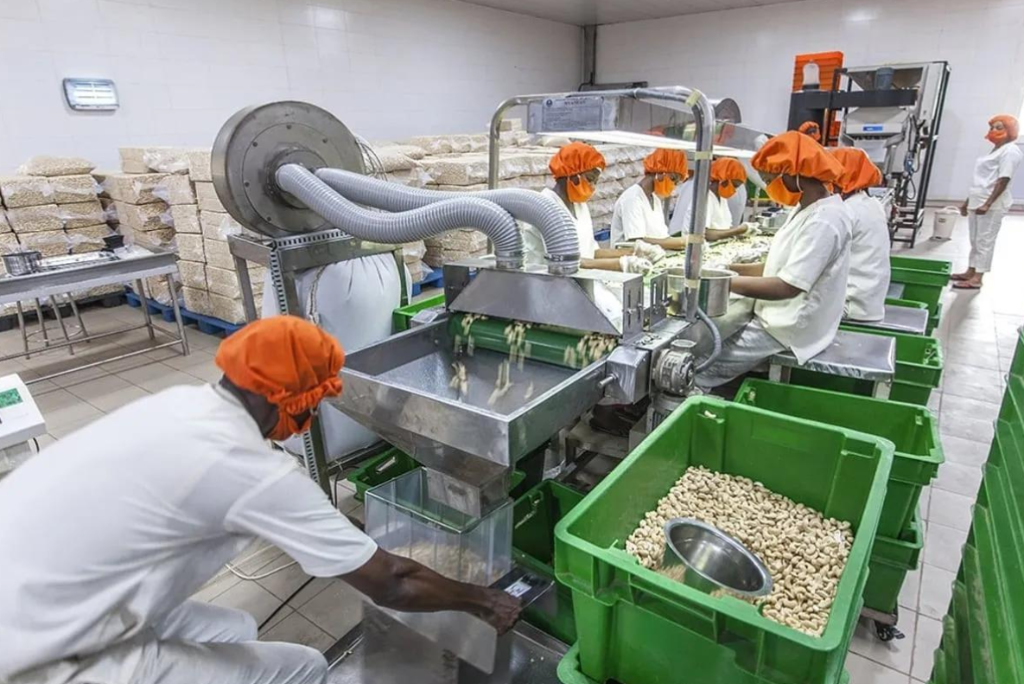
The Benin economy has reached a decisive turning point in 2026. Official reports confirm the country achieved a remarkable 8.2% real GDP growth in the first half of the year, marking a significant breakthrough in its industrial transformation strategy. This performance represents a fundamental shift from traditional raw material exports toward high-value manufacturing and local processing.
How Benin engineered its economic turnaround
After decades dependent largely on agricultural exports and unprocessed commodities, Benin has deliberately pivoted toward industrialization. The government’s strategic program focuses on three core pillars: localized processing of raw materials, infrastructure modernization, and creating an enabling business environment that attracts domestic and foreign investment.
This transformation isn’t happening by accident. During a comprehensive economic review conducted in late 2026, the International Monetary Fund identified Benin’s industrial strategy as the primary driver behind its exceptional growth performance. The numbers tell a compelling story: 8.2% GDP expansion represents Benin’s fastest growth rate in modern history, positioning the nation as West Africa’s fastest-growing economy.
Glo-Djigbé Industrial Zone: Africa’s next manufacturing powerhouse
The Glo-Djigbé Industrial Zone (GDIZ) has become the emblem of this economic revolution. This flagship project spans 1,640 hectares near the capital Porto-Novo and is designed to serve as Benin’s gateway to industrial self-sufficiency. The zone’s strategic location provides direct access to regional markets while offering world-class infrastructure to support manufacturing operations.
The GDIZ targets five priority sectors where Benin holds natural advantages:
- Agricultural processing – transforming cotton, cashews, and soybeans into finished products
- Textile manufacturing – developing vertically integrated cotton value chains
- Agro-industrial exports – producing high-demand goods for international markets
- Light manufacturing – assembling electronic components and machinery parts
- Renewable energy components – building capacity in solar panel and battery production
Early results are promising. More than 40 industrial enterprises have already established operations within the zone, creating over 12,000 direct jobs and generating $450 million in export revenue in its first operational year.
From raw commodities to high-value exports: a strategic shift
Benin’s traditional economic model relied heavily on exporting unprocessed agricultural products. The new strategy flips this script by keeping value creation within national borders. Consider cotton: Benin was already Africa’s fourth-largest producer, but until now exported 95% of its crop as raw fiber. The industrialization plan targets processing 60% domestically by 2028, which would increase export value by 300% for the same volume of cotton.
Similar transformations are underway across key sectors:
- Cashew nuts – moving from shell export to kernel processing and packaged snack production
- Cottonseed – converting waste into edible oil and animal feed
- Palm oil – expanding into specialty fats and cosmetics ingredients
- Minerals – establishing local beneficiation plants for gold and limestone
These initiatives directly address Benin’s historical challenge of being a price-taker in global commodity markets. By controlling processing stages, the country can stabilize revenues and build resilient supply chains.
Breaking into premium international markets
Benin’s industrial products are no longer limited to African or regional buyers. The government has launched an aggressive export diversification program targeting premium markets in Europe, China, and North America. This strategy focuses on three main categories:
- Organic agricultural products – cashew kernels, shea butter, and specialty coffee
- Light manufactured goods – textiles, leather accessories, and agricultural equipment
- Value-added food products – processed fruits, vegetable oils, and fortified foods
Early success stories include Beninese organic cotton finding its way into European sustainable fashion brands, and locally manufactured solar lanterns gaining certification for American and European markets. These achievements prove that with the right quality systems and certifications, Beninese products can compete globally.
Infrastructure: the backbone of industrial expansion
No industrial revolution happens without world-class infrastructure. Benin has prioritized four critical areas:
- Port expansion – doubling container handling capacity at the Port of Cotonou
- Road networks – rehabilitating 1,200 kilometers of intercity highways
- Energy supply – installing 300 megawatts of additional power capacity
- Digital infrastructure – providing high-speed internet to industrial zones
The government’s infrastructure push includes a new $850 million highway connecting GDIZ to the Port of Cotonou, reducing transportation time for goods from days to hours. This single project is expected to cut logistics costs by 40% for industrial operators in the zone.
Addressing the human capital challenge
Rapid industrial growth has created an immediate need for skilled workers. Benin’s technical education system is undergoing a complete overhaul to meet industry demands:
- Establishing 15 new technical training centers in partnership with leading manufacturers
- Launching apprenticeship programs that place 5,000 students annually in industrial work-study positions
- Creating specialized certification programs for welding, mechatronics, and quality control
- Implementing English language training programs to prepare workers for international markets
These investments in human capital development aim to ensure that Benin’s youth can directly benefit from the country’s economic transformation rather than being left behind by rapid technological change.
The road ahead: sustaining momentum and managing risks
While the 8.2% growth figure represents a historic achievement, Benin’s leaders recognize the challenges ahead. Three major risk factors require continuous attention:
- Commodity price volatility – protecting against sudden price drops in global markets
- Climate change impacts – building resilience against droughts and floods that could disrupt agricultural supply chains
- Regional security concerns – maintaining stability while neighboring countries face political transitions
To mitigate these risks, the government is implementing several safeguards:
- Establishing a National Commodity Price Stabilization Fund
- Expanding climate-smart agricultural practices across 200,000 hectares
- Creating rapid-response security coordination centers in border regions
- Diversifying trade partnerships to reduce dependence on any single market
The ultimate measure of success will be whether Benin can translate economic growth into tangible improvements in living standards. The government has set ambitious targets for the next three years: reducing youth unemployment from 35% to 20%, increasing per capita income by 50%, and attracting $3 billion in new industrial investment annually.
Benin’s economic transformation: lessons for Africa
Benin’s 8.2% growth story offers valuable insights for other African nations seeking to escape the trap of commodity dependence. The key lessons emerging from this transformation include:
- Vertical integration – moving beyond raw material exports to capture higher-value stages of production
- Strategic infrastructure investment – concentrating resources in economic zones with maximum multiplier effects
- Skills development alignment – ensuring education systems produce workers that industries actually need
- Quality-first approach – meeting international standards as a pathway to premium markets
- Public-private partnership models – leveraging private sector efficiency while maintaining public oversight
As Benin continues its industrial journey, the rest of Africa will be watching closely. The country’s success could provide a blueprint for economic transformation that balances rapid growth with inclusive development, proving that African nations can build prosperous futures without remaining forever dependent on exporting raw materials.
With 8.2% growth as its foundation, Benin stands at the threshold of a new economic era – one where industrial might replaces commodity dependence, and where local processing creates wealth that stays within national borders. The transformation is just beginning, and the world is taking notice.






