Mariama Hamani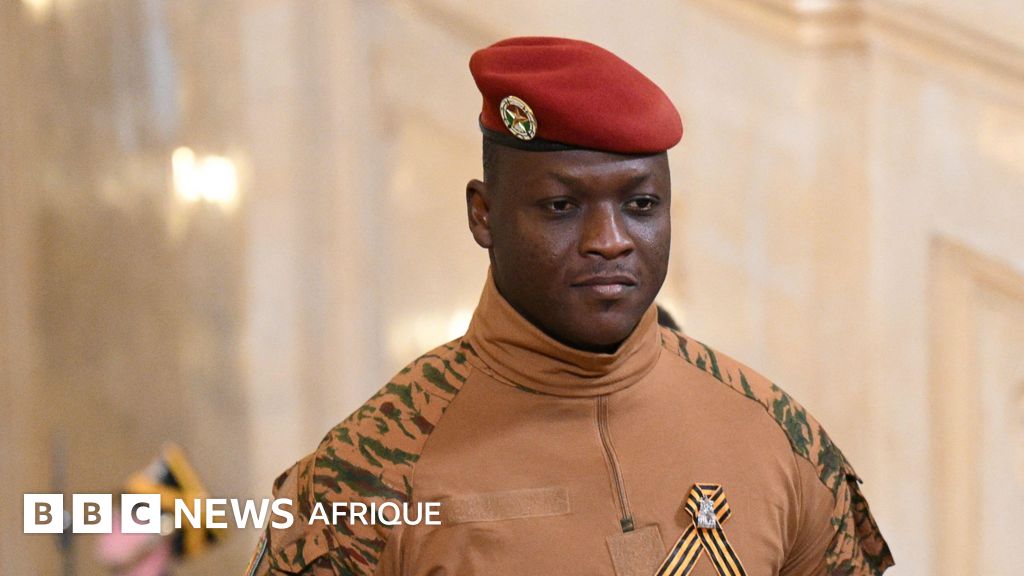
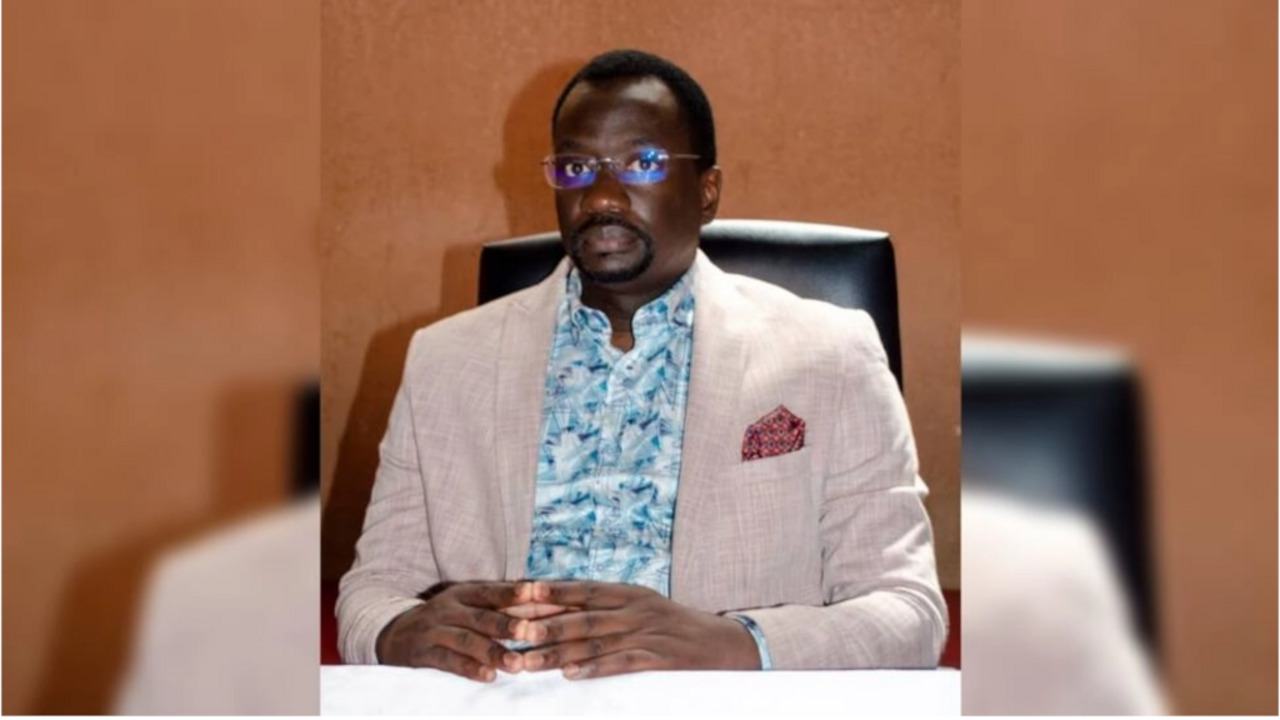
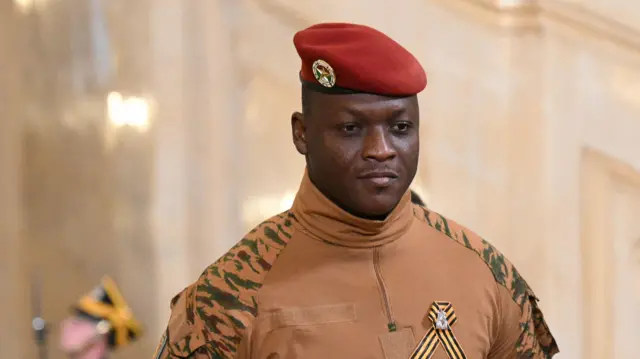
Ouagadougou has formally terminated its diplomatic relations with Paris, marking a dramatic shift in bilateral ties that have steadily deteriorated since Captain Ibrahim Traoré’s rise to power. The announcement, delivered by Communication Minister Pingdwendé Gilbert Ouédraogo, accuses France of persistent interference, citing what he described as ‘unrelenting activism’ and ‘neocolonial ambitions’ undermining Burkina Faso’s sovereignty.
Breaking away from France’s shadow
The rupture follows years of mounting frustration in Ouagadougou over perceived French interference in domestic affairs. Since seizing power in 2022, the Traoré administration has pursued a bold foreign policy pivot, distancing itself from traditional Western partners and forging new alliances with Moscow and Beijing. This realignment reflects growing regional dissatisfaction with France’s historical influence across Francophone Africa.
Burkina Faso’s decision comes after repeated calls for Paris to halt what officials describe as ‘covert intervention’ in the country’s affairs. The government alleges French support for ‘subversive networks’ and efforts to isolate Burkina Faso on the global stage, accusations Paris has consistently denied.
Regional shifts and rising anti-French sentiment
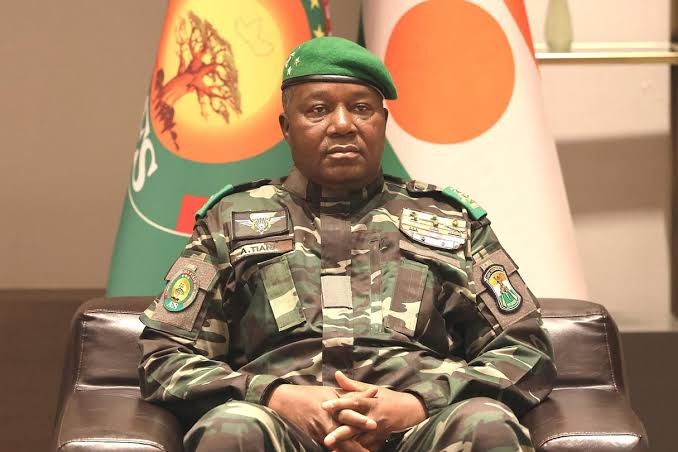
The diplomatic fallout coincides with broader geopolitical shifts in West Africa. Since 2023, Burkina Faso, Mali, and Niger have deepened cooperation under the Alliance of Sahel States, a bloc formed after their withdrawal from the Economic Community of West African States (ECOWAS). This collective move signals a regional rejection of Western-led governance models and a preference for alternative partnerships.
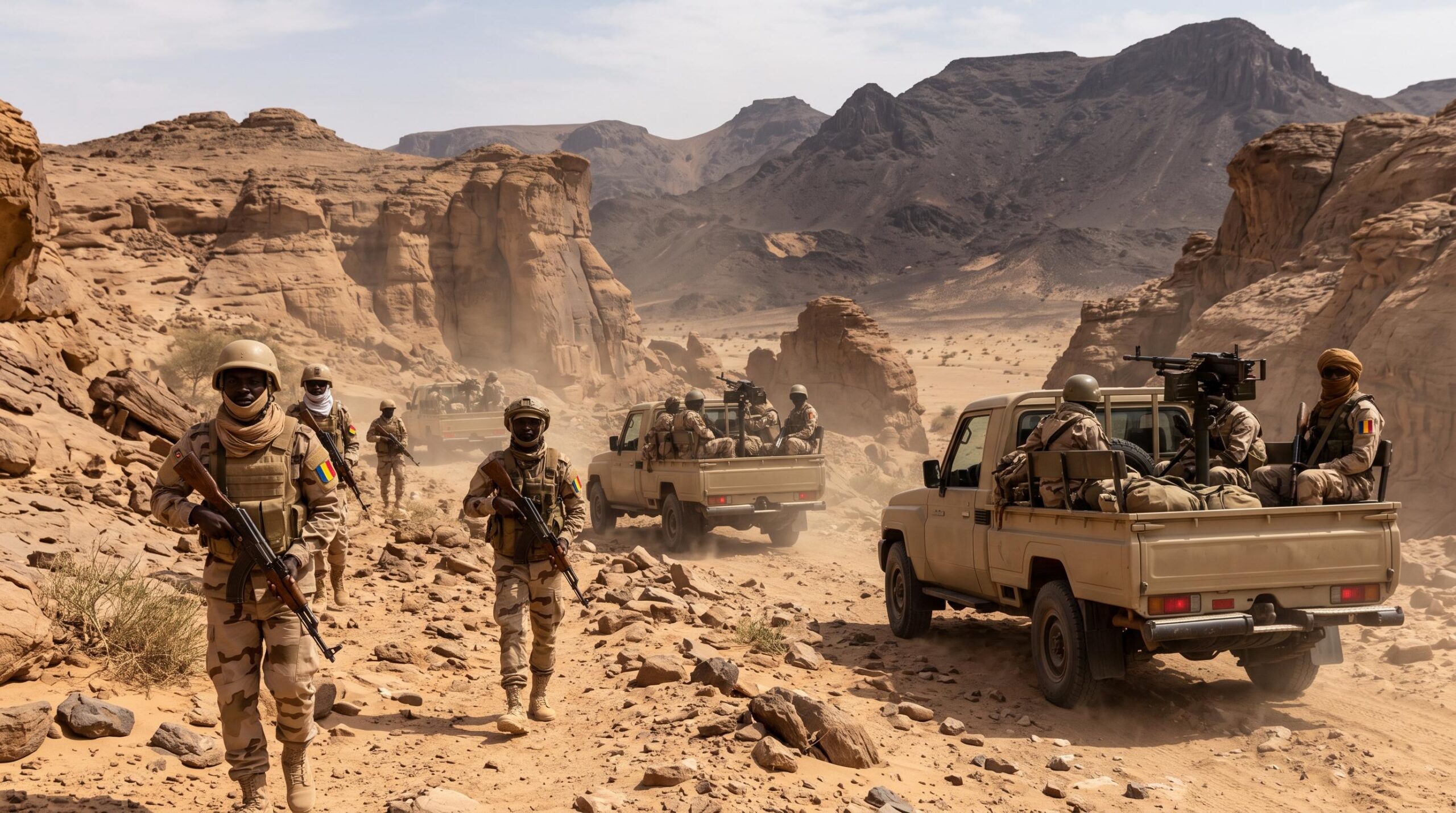
France’s military presence in the Sahel, once central to counterterrorism efforts, has also faced intense scrutiny. The Traoré administration expelled French troops in 2023, accusing them of pursuing ulterior motives rather than supporting local security needs. This expulsion reflected a broader trend across Francophone Africa, where anti-French sentiment has surged amid frustration over unmet economic expectations and perceived neocolonial policies.
France responds with caution
Paris has reacted sharply to the rupture, denouncing what it calls a ‘hostile and baseless’ decision. The French Foreign Ministry warned that Ouagadougou’s actions signal a ‘worrying drift’ in governance, while urging French nationals in Burkina Faso to exercise heightened vigilance.
Despite the breakdown in institutional ties, both governments emphasized that the decision does not extend to the deep-rooted cultural and human connections between their peoples. Historical ties, from colonial legacies to shared linguistic and educational exchanges, remain intact at the societal level.
Uncertain future for Burkina Faso’s transition
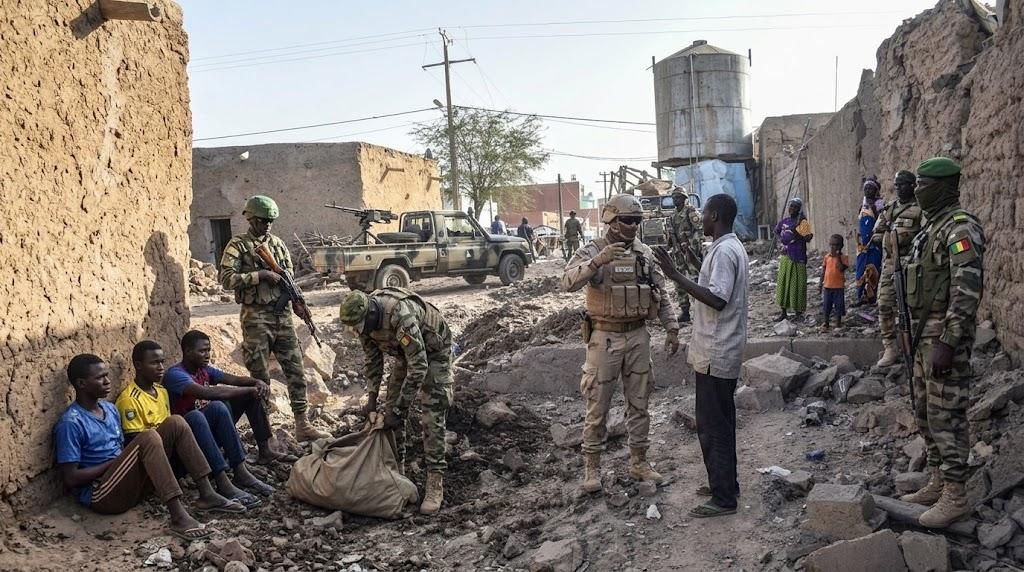
The diplomatic rupture adds another layer of complexity to Burkina Faso’s political transition. The military junta had pledged to restore constitutional order by 2024, but these promises remain unfulfilled. In January 2025, authorities dissolved political parties, further consolidating military control. The junta’s alignment with non-Western powers has reshaped the country’s international positioning, even as it grapples with a decade-long jihadist insurgency that has destabilized the region.
For now, Ouagadougou and Paris appear locked in a standoff, with neither side showing signs of backing down. The rupture underscores the broader challenges facing Francophone Africa as it navigates a post-colonial era marked by shifting alliances and rising demands for self-determination.


 Boureima Amadou