Mariama Hamani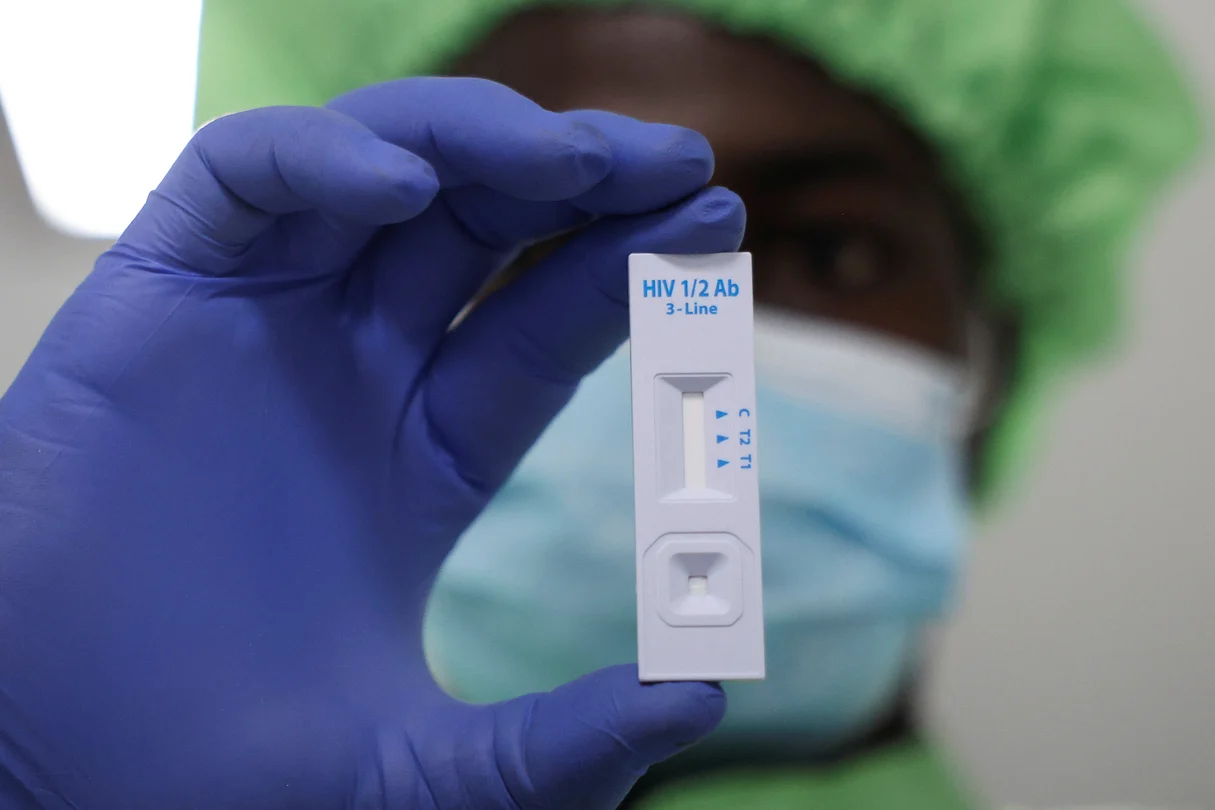
The United States Department of State has inked a landmark five-year bilateral memorandum of understanding with Burkina Faso, unlocking $147 million in critical health funding. The agreement, announced on February 25, is designed to bolster Burkina Faso’s fight against HIV/AIDS, malaria, and other infectious diseases while strengthening national capacities for epidemiological surveillance and emergency response.
According to the official communiqué, the pact lays the groundwork for deeper collaboration aimed at enhancing Burkina Faso’s ability to prevent and control the spread of communicable illnesses.
Under the terms of the partnership, Burkina Faso will allocate $107 million of its own resources to health expenditures, signaling a strong commitment to self-driven health system strengthening.
The agreement earmarks approximately $12 million for global health security initiatives. These funds will be used to upgrade community health systems, digitize health data collection and reporting mechanisms, and enhance laboratory capabilities to rapidly identify emerging pathogens.
The protocol also reinforces ongoing efforts to combat malaria and improve maternal and child health, with a particular focus on empowering frontline community health workers—recognized as the backbone of a sustainable, locally led health system.
Upon completion of the five-year term, US-funded health workers and laboratory technicians will be integrated into Burkina Faso’s public health workforce. The overarching goal is to build a resilient national health system that protects both Burkinabè and American populations from cross-border health threats.
Not all invited nations have joined the initiative. Zimbabwe declined a $367 million funding offer citing concerns over national sovereignty and oversight mechanisms. Zambia has raised objections to certain provisions, and further negotiations with Washington will depend on potential adjustments to contested clauses.
a cornerstone of global health strategy
This agreement is part of the broader “America First” global health strategy. To date, signed protocols represent over $18.56 billion in new health financing, including $11.33 billion in US aid and $7.23 billion in co-investments from partner countries.
As of February 25, the US Department of State had finalized 17 bilateral agreements with Botswana, Burkina Faso, Burundi, Cameroon, Côte d’Ivoire, Eswatini, Ethiopia, Kenya, Lesotho, Liberia, Madagascar, Malawi, Mozambique, Nigeria, Rwanda, Sierra Leone, and Uganda.

 Boureima Amadou