Mariama Hamani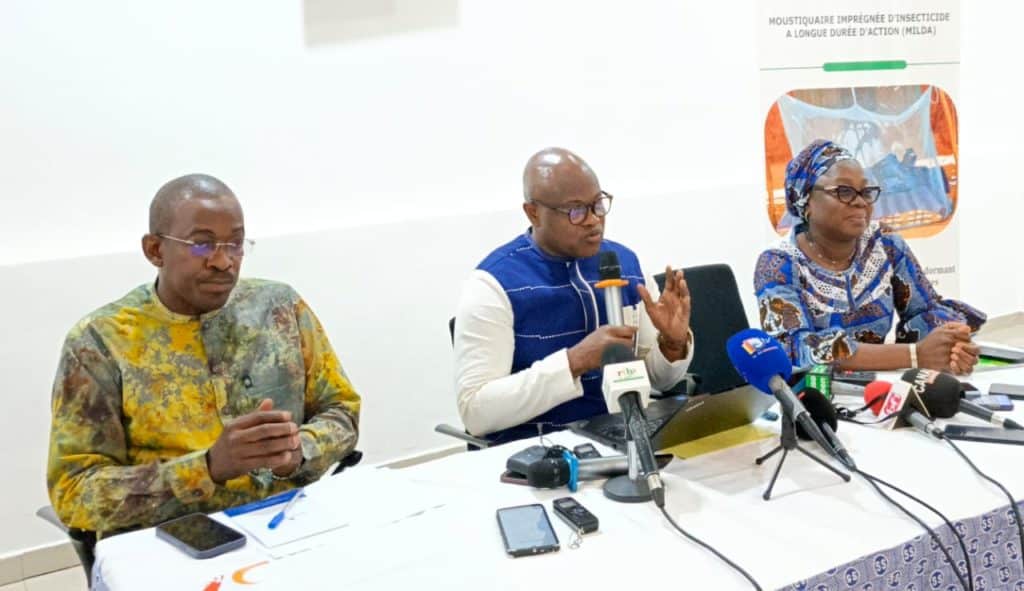
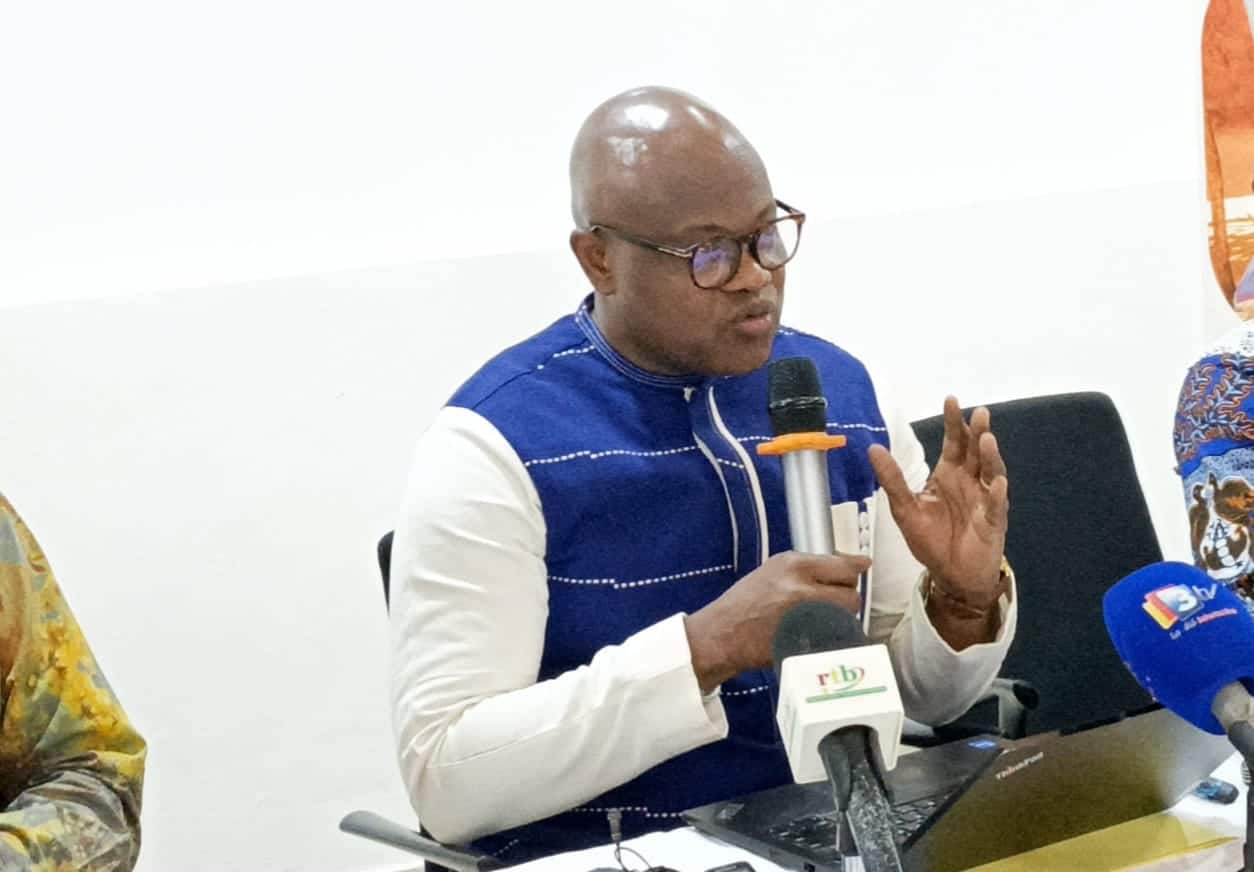
The Burkina Faso has reached a significant milestone in its fight against malaria, a disease the nation aims to eliminate by 2030. In 2025, the country recorded an unprecedented drop in both malaria cases and deaths. During a press briefing in Ouagadougou, Dr. Lucien Jean-Claude Kargougou, the Minister of Health, highlighted these encouraging developments.
Record-breaking decline in malaria cases and deaths
Malaria cases in Burkina Faso plummeted from 10,805,000 in 2024 to 7,329,000 in 2025—a 32% reduction. Among children under five, the decline was even more pronounced, with a 38% drop, translating to over 1.9 million fewer cases.
Deaths attributed to malaria also saw a dramatic decrease, falling from 3,523 in 2024 to 1,900 in 2025—a 48% reduction. For children under five, the number of deaths dropped from 893 to a significantly lower figure in 2025, marking a substantial improvement in child health outcomes.
National strategy to sustain progress and accelerate elimination
Dr. Kargougou emphasized that Burkina Faso’s goal remains steadfast: “To eliminate malaria by 2030.” Achieving this requires sustained commitment across multiple fronts, including:
- Strengthening sanitation and living conditions;
- Scaling up high-impact interventions such as malaria vaccination, insecticide-treated mosquito nets (ITNs), and seasonal chemoprevention (CPS+);
- Enhancing behavior change communication to promote preventive practices;
- Bolstering community engagement and ownership;
- Ensuring sustainable financing for malaria programs.
The Minister underscored that these results are not coincidental but the outcome of a clear political vision, led by President Captain Ibrahim Traoré. The government’s priority has been equitable access to healthcare and robust protection for all citizens, particularly vulnerable groups.
Collaboration and innovation in malaria control
The National Multisectoral Committee for Malaria Elimination (CONAMEP) has played a pivotal role in coordinating national efforts. The committee’s work reflects a core belief: “Malaria elimination is a multisectoral endeavor that demands active community participation.”
A major breakthrough came with the nationwide distribution of 15 million dual-insecticide long-lasting ITNs in 2025. These next-generation nets, designed to combat insecticide resistance, aim to achieve at least an 80% usage rate across households. Their deployment involved more than 33,000 community volunteers and 7,000 health workers, who reached even high-risk and hard-to-access areas.
This large-scale outreach fostered greater community ownership and collective responsibility. As Dr. Kargougou noted, “This proximity has been key to turning prevention tools into daily practices.”
Vaccination drives and community mobilization
Another historic milestone was the nationwide rollout of free malaria vaccination starting August 14, 2025, across all 70 health districts. This initiative has been instrumental in protecting children and reducing severe malaria cases.
The Minister stressed that success in malaria elimination hinges on behavioral change and social engagement. Strategies included:
- Localized awareness campaigns tailored to cultural and linguistic contexts;
- Involvement of community and religious leaders to drive trust and participation;
- Door-to-door sensitization and early diagnosis;
- Media partnerships to amplify messages on sleeping under ITNs, vaccinating children, and seeking prompt care for fever.
Dr. Kargougou called on all stakeholders—local governments, civil society, technical and financial partners, community leaders, media, and citizens—to continue and intensify these efforts.
“Together, we have shown that malaria can be pushed back significantly. Together, we will eliminate it in Burkina Faso.”


 Boureima Amadou